

What's inside
What's inside
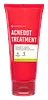 Key Ingredients
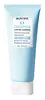
Benefits
Concerns
Ingredients Side-by-side
Camellia Sinensis Leaf Water
Masking
Cocamidopropyl Betaine
Cleansing



Water
Skin ConditioningButylene Glycol
Humectant

Polyquaternium-7
Sodium Cocoyl Glycinate
Cleansing
Trehalose
Humectant
Glycerin
Humectant
Succinic Acid
Buffering1,2-Hexanediol
Skin Conditioning
Dimethylol Urea
AntimicrobialHydroxypropyl Methylcellulose
Emulsion StabilisingSodium Chloride
MaskingPolyglyceryl-4 Caprate
EmulsifyingMelaleuca Alternifolia Leaf Oil
Antioxidant




Sodium Hydroxide
BufferingHippophae Rhamnoides Fruit Juice
Skin ConditioningHydrolyzed Algin
Bacillus/Folic Acid Ferment Filtrate Extract
Antioxidant
Maltodextrin
Absorbent
Phenoxyethanol
Preservative
Sodium Hyaluronate
Humectant

Zinc Sulfate
Antimicrobial
Camellia Sinensis Leaf Water, Cocamidopropyl Betaine, Water, Butylene Glycol, Polyquaternium-7, Sodium Cocoyl Glycinate, Trehalose, Glycerin, Succinic Acid, 1,2-Hexanediol, Dimethylol Urea, Hydroxypropyl Methylcellulose, Sodium Chloride, Polyglyceryl-4 Caprate, Melaleuca Alternifolia Leaf Oil, Sodium Hydroxide, Hippophae Rhamnoides Fruit Juice, Hydrolyzed Algin, Bacillus/Folic Acid Ferment Filtrate Extract, Maltodextrin, Phenoxyethanol, Sodium Hyaluronate, Zinc Sulfate
Water
Skin ConditioningGlycerin
Humectant
Sodium Cocoyl Glycinate
Cleansing
Lauryl Betaine
CleansingHydroxypropyl Starch Phosphate
Citric Acid
Buffering

PEG-60 Glyceryl Isostearate
Surfactant
Sodium Chloride
MaskingGlyceryl Stearate Se
Emulsifying

Coco-Glucoside
Cleansing
Phenoxyethanol
Preservative
Parfum
Masking
Sodium Cocoyl Isethionate
Cleansing
Sodium Phytate
Ethylhexylglycerin
Skin ConditioningPolyquaternium-7
Quillaja Saponaria Bark Extract
CleansingSodium Benzoate
Masking
Ceramide NP
Skin Conditioning

Ceramide EOP
Skin Conditioning
Ceramide AP
Skin Conditioning
Centella Asiatica Extract
Cleansing
Niacinamide
Smoothing


Ceramide As
Skin Conditioning
Panthenol
Skin Conditioning
Ceramide Ns
Skin Conditioning
Salicylic Acid
Masking

Arginine
Masking
Butylene Glycol
Humectant
Hydrogenated Lecithin
Emulsifying
Cetearyl Alcohol
Emollient
Tocopherol
Antioxidant
Stearic Acid
Cleansing
Hyaluronic Acid
Humectant
Ascorbic Acid
Antioxidant
Sodium Hyaluronate
Humectant
Cholesterol
Emollient
Phytosphingosine
Skin Conditioning
Water, Glycerin, Sodium Cocoyl Glycinate, Lauryl Betaine, Hydroxypropyl Starch Phosphate, Citric Acid, PEG-60 Glyceryl Isostearate, Sodium Chloride, Glyceryl Stearate Se, Coco-Glucoside, Phenoxyethanol, Parfum, Sodium Cocoyl Isethionate, Sodium Phytate, Ethylhexylglycerin, Polyquaternium-7, Quillaja Saponaria Bark Extract, Sodium Benzoate, Ceramide NP, Ceramide EOP, Ceramide AP, Centella Asiatica Extract, Niacinamide, Ceramide As, Panthenol, Ceramide Ns, Salicylic Acid, Arginine, Butylene Glycol, Hydrogenated Lecithin, Cetearyl Alcohol, Tocopherol, Stearic Acid, Hyaluronic Acid, Ascorbic Acid, Sodium Hyaluronate, Cholesterol, Phytosphingosine
Reviews
Ingredients Explained
These ingredients are found in both products.
Ingredients higher up in an ingredient list are typically present in a larger amount.
Butylene Glycol (or BG) is used within cosmetic products for a few different reasons:
Overall, Butylene Glycol is a safe and well-rounded ingredient that works well with other ingredients.
Though this ingredient works well with most skin types, some people with sensitive skin may experience a reaction such as allergic rashes, closed comedones, or itchiness.
Learn more about Butylene GlycolGlycerin (or glycerol) is a compound naturally found in your skin. It's a powerhouse humectant that pulls water into the stratum corneum.
Topically, glycerin does several things at once:
Your skin makes glycerin on its own (mostly from sebaceous oil breakdown) and shuttles it to your outermost layer of skin, or your epidermis, via aquaporin-3.
Aquaporin-3 is a transporter that is essential for normal skin hydration, elasticity, and repair. Interestingly, mice lacking in AQP3 have dry and less elastic skin that can be fully corrected with glycerin.
This ingredient is non-irritating, plays well with almost every ingredient, and works across all skin types. Typical use is anywhere between 3-10% but can go up to 79% in some leave-on products.
Just know very high concentrations (>40%) can feel tacky in low humidity.
Glycerin is the name for this ingredient in American English. British English uses Glycerol/Glycerine.
Learn more about GlycerinPhenoxyethanol is one of the most widely used preservatives in skincare (and for good reason!).
It has a large spectrum of antimicrobial activity and especially effective bacteria, yeast, and mold while only having a weak effect on your skin's natural microbiome.
On a cellular level, it disrupts the cell membranes of microbes by poking holes that make the cell leak. This shuts down the chemical reactions the microbe needs to make energy so it can no longer survive.
Another perk of this ingredient is that it stays functional across a wide pH range (3-10).
You'll often see it paired with boosters like Ethylhexylglycerin; one study showed that a 1:9 ratio of Ethylhexylglycerin to Phenoxyethanol damages bacterial membranes as effectively as doubling the Phenoxyethanol concentration on its own.
Typical use concentrations range from 0.3-1% depending on the formula, and this ingredient is capped at 1% int the EU.
Safety-wise, the fear mongering does not hold up to the evidence. The EU's Scientific Committee on Consumer Safety and FDA consider it safe as a preservative at up to 1%, including for children of all ages.
Adverse systemic effects only showed up in animal studies at exposures roughly 200x higher than what people get from cosmetics. And despite its very widespread use, this ingredient is a rare sensitizer and allergic reactions are uncommon.
Learn more about PhenoxyethanolPolyquaternium-7 is a light to clear colored liquid. It is commonly found in haircare products for its film-forming and anti-static properties.
According to a manufacturer, it is a non-paraben and specially developed for negatively charged surfactant systems. This makes it a great hairstyle holder and helps to improve wet hair detangling without adding buildup.
Chances are, you eat sodium chloride every day. Sodium Chloride is also known as table salt. This ingredient has many purposes in skincare: thickener, emulsifier, and exfoliator.
You'll most likely find this ingredient in cleansers where it is used to create a gel-like texture. As an emulsifier, it also prevents ingredients from separating.
You might see people debate whether Sodium Chloride is comedogenic, but there actually haven't been any comedogenic tests done on it. Either way, the overall formulation of a product matters a lot more than any single ingredient.
You might see this ingredient used in scrubs as a primary exfoliating ingredient.
Learn more about Sodium ChlorideSodium Cocoyl Glycinate is a cleansing agent. It can be naturally derived or synthetically-created.
As a surfactant, it helps clean your skin by gathering dirt, oil, and other pollutants to be rinsed away more easily.
Sodium Hyaluronate is the salt form of hyaluronic acid. It is a long sugar chain that is naturally found in your skin, joints, and connective tissue that maintains hydration and elasticity.
In skincare, it works as a humectant. It pulls water from the environment and deeper layers of skin and binds it to the surface.
Interestingly, the size of the molecule affects its behavior:
Some clinical evidence links low molecular weight versions to improved wrinkle depth, elasticity, anti-inflammatory effects, and barrier repair.
Many serums use a blend of both weights so you can get surface hydration plus longer-lasting and deeper effects.
You'll typically see concentrations between 0.1-2% for this ingredient.
Learn more about Sodium HyaluronateWater. It's the most common cosmetic ingredient of all. You'll usually see it at the top of ingredient lists, meaning that it makes up the largest part of the product.
So why is it so popular? Water most often acts as a solvent - this means that it helps dissolve other ingredients into the formulation.
You'll also recognize water as that liquid we all need to stay alive. If you see this, drink a glass of water. Remember to stay hydrated!
Learn more about Water

