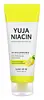
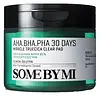
Some By Mi Yuja Niacin Brightening Peeling Gel Versus Some By Mi AHA BHA PHA 30 Days Miracle Truecica Clear Pad
This brightening exfoliator is formulated around Cellulose and Niacinamide to brighten dull-looking skin and refine skin texture.
This acne toner pad uses a pre-saturated pad with Salix Alba Bark Water and Betaine Salicylate to clear breakouts and refine skin texture.

What's inside
What's inside
 Key Ingredients
Benefits
Concerns
Ingredients Side-by-side
Water
Skin ConditioningQuaternium-60
Propylene Glycol
Humectant


Bambusa Arundinacea Stem Powder
Abrasive

Cellulose
Absorbent
Citrus Junos Fruit Extract
Skin ConditioningCarbomer
Emulsion StabilisingDipropylene Glycol
HumectantNelumbo Nucifera Flower Extract
Skin ConditioningCoptis Japonica Extract
AntimicrobialNiacinamide
Smoothing










Panthenol
Skin Conditioning
Arbutin
Antioxidant

Ascorbyl Glucoside
Antioxidant
Glutathione
Bisabolol
Antioxidant
Menadione
MaskingTocopherol
Antioxidant
Ascorbic Acid
Antioxidant
Biotin
AntiseborrhoeicAscorbyl Tetraisopalmitate
Antioxidant
Cyanocobalamin
Skin ConditioningButylene Glycol
Humectant
Lactobionic Acid
Buffering
1,2-Hexanediol
Skin Conditioning
Benzyl Glycol
SolventEthylhexylglycerin
Skin ConditioningRaspberry Ketone
Masking

Disodium EDTA
Parfum
Masking
Limonene
Perfuming
Water, Quaternium-60, Propylene Glycol, Bambusa Arundinacea Stem Powder, Cellulose, Citrus Junos Fruit Extract, Carbomer, Dipropylene Glycol, Nelumbo Nucifera Flower Extract, Coptis Japonica Extract, Niacinamide, Panthenol, Arbutin, Ascorbyl Glucoside, Glutathione, Bisabolol, Menadione, Tocopherol, Ascorbic Acid, Biotin, Ascorbyl Tetraisopalmitate, Cyanocobalamin, Butylene Glycol, Lactobionic Acid, 1,2-Hexanediol, Benzyl Glycol, Ethylhexylglycerin, Raspberry Ketone, Disodium EDTA, Parfum, Limonene
Salix Alba Bark Water 85%
Astringent
Butylene Glycol
Humectant
1,2-Hexanediol
Skin Conditioning
Glycerin
Humectant
Sodium Hyaluronate
Humectant
Betaine Salicylate 0.5%
Antimicrobial
Artemisia Princeps Leaf Extract
Skin ConditioningCentella Asiatica Extract
Cleansing
Melaleuca Alternifolia Leaf Water
Antimicrobial
Chamaecyparis Obtusa Leaf Extract
Skin ConditioningOpuntia Ficus-Indica Extract
Skin Conditioning
Houttuynia Cordata Extract
Skin Conditioning
Melia Azadirachta Leaf Extract
Skin ConditioningMelia Azadirachta Flower Extract
Skin ConditioningMadecassic Acid
Skin Conditioning
Asiaticoside
Antioxidant
Asiatic Acid
Skin Conditioning
Madecassoside
Antioxidant
Allantoin
Skin Conditioning
Panthenol
Skin Conditioning
Arginine
Masking
PEG-60 Hydrogenated Castor Oil
Emulsifying
Citric Acid
Buffering
Lactobionic Acid
Buffering
Sodium Hydroxide
BufferingWater
Skin ConditioningBenzyl Glycol
SolventEthylhexylglycerin
Skin ConditioningRaspberry Ketone
Masking
Mentha Piperita Oil
Masking

Salix Alba Bark Water 85%, Butylene Glycol, 1,2-Hexanediol, Glycerin, Sodium Hyaluronate, Betaine Salicylate 0.5%, Artemisia Princeps Leaf Extract, Centella Asiatica Extract, Melaleuca Alternifolia Leaf Water, Chamaecyparis Obtusa Leaf Extract, Opuntia Ficus-Indica Extract, Houttuynia Cordata Extract, Melia Azadirachta Leaf Extract, Melia Azadirachta Flower Extract, Madecassic Acid, Asiaticoside, Asiatic Acid, Madecassoside, Allantoin, Panthenol, Arginine, PEG-60 Hydrogenated Castor Oil, Citric Acid, Lactobionic Acid, Sodium Hydroxide, Water, Benzyl Glycol, Ethylhexylglycerin, Raspberry Ketone, Mentha Piperita Oil
Reviews
Ingredients Explained
These ingredients are found in both products.
Ingredients higher up in an ingredient list are typically present in a larger amount.
1,2-Hexanediol is a synthetic liquid and another multi-functional powerhouse.
It is a:
- Humectant, drawing moisture into the skin
- Emollient, helping to soften skin
- Solvent, dispersing and stabilizing formulas
- Preservative booster, enhancing the antimicrobial activity of other preservatives
We don't have a description for Benzyl Glycol yet.
Butylene Glycol (or BG) is used within cosmetic products for a few different reasons:
Overall, Butylene Glycol is a safe and well-rounded ingredient that works well with other ingredients.
Though this ingredient works well with most skin types, some people with sensitive skin may experience a reaction such as allergic rashes, closed comedones, or itchiness.
Learn more about Butylene GlycolEthylhexylglycerin is created from glycerin. It is a multitasker ingredient that:
The CIR Expert Panel found minimal skin absorption or sensitization of any kind in a safety assessment. Though this ingredient is considered well-tolerated, a small number of cases of allergic dermatitis have been published since 2002. Just be sure to patch test if you are unsure.
Industry-reported use ranges from 8% in rinse-off products and 2% in leave-on formulations.
Learn more about EthylhexylglycerinLactobionic Acid is a PHA. PHAs are the gentle cousins to AHAS.
Like AHAs, they exfoliate the top layer of skin. Lactobionic acid also exhibits significant antioxidant activity.
PHAs are more gentle than AHAs due to their larger structure. This means they do not penetrate as deeply as AHAs and take a longer time to dissolve dead cells. Studies show PHAs do not cause as much irritation.
By removing dead skin cells, PHAs leave the skin brighter and with even-texture.
Learn more about Lactobionic AcidPanthenol is a common ingredient that helps hydrate and soothe the skin. It is found naturally in our skin and hair.
There are two forms of panthenol: D and L.
D-panthenol is also known as dexpanthenol. Most cosmetics use dexpanthenol or a mixture of D and L-panthenol.
Panthenol is famous due to its ability to go deeper into the skin's layers. Using this ingredient has numerous pros (and no cons):
Like hyaluronic acid, panthenol is a humectant. Humectants are able to bind and hold large amounts of water to keep skin hydrated.
This ingredient works well for wound healing. It works by increasing tissue in the wound and helps close open wounds.
Once oxidized, panthenol converts to pantothenic acid. Panthothenic acid is found in all living cells.
This ingredient is also referred to as pro-vitamin B5.
Learn more about PanthenolRaspberry Ketone is a fragrance.
Water. It's the most common cosmetic ingredient of all. You'll usually see it at the top of ingredient lists, meaning that it makes up the largest part of the product.
So why is it so popular? Water most often acts as a solvent - this means that it helps dissolve other ingredients into the formulation.
You'll also recognize water as that liquid we all need to stay alive. If you see this, drink a glass of water. Remember to stay hydrated!
Learn more about Water

