

What's inside
What's inside
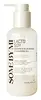 Key Ingredients
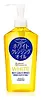
Benefits
Concerns
Ingredients Side-by-side
Silica
Abrasive


Butylene Glycol
Humectant

Acrylates Copolymer
Tocopherol
Antioxidant





Propanediol
Solvent
1,2-Hexanediol
Skin Conditioning
Simmondsia Chinensis Seed Oil
Emollient


Glycerin
Humectant
Argania Spinosa Kernel Oil
Emollient
Camellia Japonica Seed Oil
Emollient
Serine
Masking
Glutamic Acid
Humectant
Aspartic Acid
Masking
Glycine Soja Oil
Emollient

Ulmus Davidiana Root Extract
Skin Conditioning
Pueraria Lobata Root Extract
HumectantPinus Palustris Leaf Extract
TonicOenothera Biennis Flower Extract
AstringentPalmitoyl Tripeptide-5
Skin Conditioning

Ethylhexylglycerin
Skin ConditioningCocos Nucifera Oil
Masking

Palmitoyl Pentapeptide-4
Skin Conditioning
Silica, Butylene Glycol, Acrylates Copolymer, Tocopherol, Propanediol, 1,2-Hexanediol, Simmondsia Chinensis Seed Oil, Glycerin, Argania Spinosa Kernel Oil, Camellia Japonica Seed Oil, Serine, Glutamic Acid, Aspartic Acid, Glycine Soja Oil, Ulmus Davidiana Root Extract, Pueraria Lobata Root Extract, Pinus Palustris Leaf Extract, Oenothera Biennis Flower Extract, Palmitoyl Tripeptide-5, Ethylhexylglycerin, Cocos Nucifera Oil, Palmitoyl Pentapeptide-4
Paraffinum Liquidum
Emollient
Cyclomethicone
Emollient
Carthamus Tinctorius Seed Oil
Masking
Tocopherol
Antioxidant
Simmondsia Chinensis Seed Oil
Emollient
Glycerin
Humectant
Water
Skin ConditioningPhenoxyethanol
Preservative
Prunus Armeniaca Kernel Oil
Masking
Isopropyl Myristate
Emollient
Zea Mays Oil
Emulsifying
Ascorbyl Dipalmitate
Antioxidant
Polyglyceryl-2 Diisostearate
Emulsifying
Rosa Rubiginosa Seed Oil
Emollient
Trilaureth-4 Phosphate
EmulsifyingOlea Europaea Fruit Oil
Masking
Oryza Sativa Bran Oil
Emollient
Sesamum Indicum Seed Oil
Emollient
Cetyl Ethylhexanoate
EmollientHelianthus Annuus Seed Oil
Emollient
Propylene Glycol Dicaprate
EmollientOrange Roughy Oil
Skin Conditioning
Sorbeth-30 Tetraoleate
Emulsifying
Butyrospermum Parkii Butter
Skin Conditioning
PEG-8 Glyceryl Isostearate
Emollient
Coix Lacryma-Jobi Ma-Yuen Seed Oil
Skin Conditioning
Paraffinum Liquidum, Cyclomethicone, Carthamus Tinctorius Seed Oil, Tocopherol, Simmondsia Chinensis Seed Oil, Glycerin, Water, Phenoxyethanol, Prunus Armeniaca Kernel Oil, Isopropyl Myristate, Zea Mays Oil, Ascorbyl Dipalmitate, Polyglyceryl-2 Diisostearate, Rosa Rubiginosa Seed Oil, Trilaureth-4 Phosphate, Olea Europaea Fruit Oil, Oryza Sativa Bran Oil, Sesamum Indicum Seed Oil, Cetyl Ethylhexanoate, Helianthus Annuus Seed Oil, Propylene Glycol Dicaprate, Orange Roughy Oil, Sorbeth-30 Tetraoleate, Butyrospermum Parkii Butter, PEG-8 Glyceryl Isostearate, Coix Lacryma-Jobi Ma-Yuen Seed Oil
Reviews
Ingredients Explained
These ingredients are found in both products.
Ingredients higher up in an ingredient list are typically present in a larger amount.
Glycerin (or glycerol) is a compound naturally found in your skin. It's a powerhouse humectant that pulls water into the stratum corneum.
Topically, glycerin does several things at once:
Your skin makes glycerin on its own (mostly from sebaceous oil breakdown) and shuttles it to your outermost layer of skin, or your epidermis, via aquaporin-3.
Aquaporin-3 is a transporter that is essential for normal skin hydration, elasticity, and repair. Interestingly, mice lacking in AQP3 have dry and less elastic skin that can be fully corrected with glycerin.
This ingredient is non-irritating, plays well with almost every ingredient, and works across all skin types. Typical use is anywhere between 3-10% but can go up to 79% in some leave-on products.
Just know very high concentrations (>40%) can feel tacky in low humidity.
Glycerin is the name for this ingredient in American English. British English uses Glycerol/Glycerine.
Learn more about GlycerinJojoba oil is one of the most well-studied plant-derived ingredients in cosmetics. It is an emollient with a special structure.
Because it is made up of 97-98% wax esters, it closely mirrors the linear monoesters found in human sebum. This makes it skin compatible, non-greasy, and lightweight.
Unlike other plant oils, jojoba wax doesn't easily penetrate skin. It mostly works in the uppermost layers as an emollient. This just means it forms a light barrier on the skin to help retain moisture.
Formulations with jojoba esters up to 90% reduced transepidermal water loss (TEWL) and increased barrier recovery by 81% (outperforming bisabolol at 47%).
Besides barrier support, the science also suggests jojoba to have anti-inflammatory effects and potential applications for skin infections, aging, and wound healing.
Fun fact: Indigenous cultures have used jojoba as a moisturizer and to help treat burns for centuries.
Due to its fatty acid content, Jojoba oil may not be fungal acne safe.
Learn more about Simmondsia Chinensis Seed OilTocopherol is a fat-soluble antioxidant known as Vitamin E.
You'll find this ingredient in the vast majority of skincare (for good reason). It works to neutralize free radicals, or unstable molecules generated by UV exposure, pollution, and other environmental stressors, before they can cause oxidative damage to your skin cells.
Topically applied tocopherol has been shown to protect against UV damage by ramping up the skin's own natural defense enzymes.
It also acts as a skin conditioning agent; some studies show that regular topical use can improve the skin's water-binding capacity over 2-4 weeks.
This ingredient is especially loved for being a team player. When combined with Vitamin C, the photoprotective effect of both ingredients roughly doubles and the combo also helps reduce UV-induced DNA damage.
This ingredient has some brightening potential but it's more of a prevention ingredient than spot-fader. Cell studies show it can slow down melanin production but it's worth noting that it's not the most powerful brightener out there.
In formulations, it also serves as a stabilizer that helps protect other oxidation-prone ingredients from degrading.
Concentrations usually range from 0.1-1% in most leave-on products.
Learn more about Tocopherol
