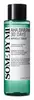
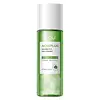
Some By Mi AHA BHA PHA 30 Days Miracle Exfoliating Toner Versus Y.O.U Acne Plus AHA BHA PHA Daily Essence
This smoothing exfoliator is formulated around Niacinamide and Melaleuca Alternifolia Leaf Water to refine skin texture and clear breakouts.
This acne essence is formulated around Lactobionic Acid and Madecassoside to clear breakouts and refine skin texture.


What's inside
What's inside
 Key Ingredients
Benefits
Concerns
Ingredients Side-by-side
Water
Skin ConditioningButylene Glycol
Humectant

Dipropylene Glycol
HumectantGlycerin
Humectant
Niacinamide
Smoothing









Melaleuca Alternifolia Leaf Water
Antimicrobial
Polyglyceryl-4 Caprate
EmulsifyingCarica Papaya Fruit Extract
Skin ConditioningLens Esculenta Seed Extract
Skin ProtectingHamamelis Virginiana Extract
Antiseborrhoeic



Nelumbo Nucifera Flower Extract
Skin ConditioningSwiftlet Nest Extract
Skin ConditioningSodium Hyaluronate
Humectant
Fructan
Skin ConditioningAllantoin
Skin Conditioning
Adenosine
Skin Conditioning
Hydroxyethyl Urea
Humectant
Xylitol
Humectant
Salicylic Acid
Masking

Lactobionic Acid
Buffering
Citric Acid
Buffering
Sodium Citrate
Buffering1,2-Hexanediol
Skin Conditioning
Benzyl Glycol
SolventEthylhexylglycerin
Skin ConditioningRaspberry Ketone
Masking

Mentha Piperita Oil
Masking


Water, Butylene Glycol, Dipropylene Glycol, Glycerin, Niacinamide, Melaleuca Alternifolia Leaf Water, Polyglyceryl-4 Caprate, Carica Papaya Fruit Extract, Lens Esculenta Seed Extract, Hamamelis Virginiana Extract, Nelumbo Nucifera Flower Extract, Swiftlet Nest Extract, Sodium Hyaluronate, Fructan, Allantoin, Adenosine, Hydroxyethyl Urea, Xylitol, Salicylic Acid, Lactobionic Acid, Citric Acid, Sodium Citrate, 1,2-Hexanediol, Benzyl Glycol, Ethylhexylglycerin, Raspberry Ketone, Mentha Piperita Oil
Water
Skin ConditioningGlycerin
Humectant
Cellulose
Absorbent
Sodium Chloride
MaskingSodium Citrate
BufferingButylene Glycol
Humectant
Phenoxyethanol
Preservative
Lactobionic Acid
Buffering
Citric Acid
Buffering
Hydroxyacetophenone
Antioxidant
Pseudoalteromonas Ferment Extract
Humectant
Sodium Hyaluronate
Humectant
PEG-40 Hydrogenated Castor Oil
Emulsifying
Disodium EDTA
ChelatingAstragalus Membranaceus Root Extract
Emollient
Aminomethyl Propanol
BufferingSaposhnikovia Divaricata Root Extract
AntimicrobialCalendula Officinalis Flower Extract
Masking
Caprylic/Capric Triglyceride
Masking
Isohexadecane
EmollientSodium Salicylate
Preservative
Gastrodia Elata Root Extract
Skin ConditioningAlbizia Julibrissin Flower Extract
Skin ConditioningHamamelis Virginiana Extract
Antiseborrhoeic
Cedrus Atlantica Bark Oil
Masking
Melaleuca Alternifolia Leaf Oil
Antioxidant
Citrus Paradisi Peel Oil
Masking
Pelargonium Graveolens Oil
Masking
Glycolic Acid
Buffering
Quaternium-73
1,2-Hexanediol
Skin Conditioning
Madecassoside
Antioxidant
Asiaticoside
Antioxidant
Asiatic Acid
Skin Conditioning
Madecassic Acid
Skin Conditioning
Water, Glycerin, Cellulose, Sodium Chloride, Sodium Citrate, Butylene Glycol, Phenoxyethanol, Lactobionic Acid, Citric Acid, Hydroxyacetophenone, Pseudoalteromonas Ferment Extract, Sodium Hyaluronate, PEG-40 Hydrogenated Castor Oil, Disodium EDTA, Astragalus Membranaceus Root Extract, Aminomethyl Propanol, Saposhnikovia Divaricata Root Extract, Calendula Officinalis Flower Extract, Caprylic/Capric Triglyceride, Isohexadecane, Sodium Salicylate, Gastrodia Elata Root Extract, Albizia Julibrissin Flower Extract, Hamamelis Virginiana Extract, Cedrus Atlantica Bark Oil, Melaleuca Alternifolia Leaf Oil, Citrus Paradisi Peel Oil, Pelargonium Graveolens Oil, Glycolic Acid, Quaternium-73, 1,2-Hexanediol, Madecassoside, Asiaticoside, Asiatic Acid, Madecassic Acid
Reviews
Ingredients Explained
These ingredients are found in both products.
Ingredients higher up in an ingredient list are typically present in a larger amount.
1,2-Hexanediol is a synthetic liquid and another multi-functional powerhouse.
It is a:
- Humectant, drawing moisture into the skin
- Emollient, helping to soften skin
- Solvent, dispersing and stabilizing formulas
- Preservative booster, enhancing the antimicrobial activity of other preservatives
Butylene Glycol (or BG) is used within cosmetic products for a few different reasons:
Overall, Butylene Glycol is a safe and well-rounded ingredient that works well with other ingredients.
Though this ingredient works well with most skin types, some people with sensitive skin may experience a reaction such as allergic rashes, closed comedones, or itchiness.
Learn more about Butylene GlycolCitric Acid is an alpha hydroxy acid (AHA) naturally found in citrus fruits like oranges, lemons, and limes.
Like other AHAs, citric acid can exfoliate skin by breaking down the bonds that hold dead skin cells together. This helps reveal smoother and brighter skin underneath.
However, this exfoliating effect only happens at high concentrations (20%) which can be hard to find in cosmetic products.
Due to this, citric acid is usually included in small amounts as a pH adjuster. This helps keep products slightly more acidic and compatible with skin's natural pH.
In skincare formulas, citric acid can:
While it can provide some skin benefits, research shows lactic acid and glycolic acid are generally more effective and less irritating exfoliants.
Most citric acid used in skincare today is made by fermenting sugars (usually from molasses). This synthetic version is identical to the natural citrus form but easier to stabilize and use in formulations.
Rosacea skin has a lower threshold for acids generally, with 62.5% of rosacea subjects in one study reacting to lactic acid in a sting test. This is why we mark citric acid as a potential rosacea trigger.
However, this ingredient shows up as a pH adjuster or chelator at roughly 0.1-1% in many products. These low levels are unlikely to be an issue for rosacea skin and becomes a potential trigger at exfoliating concentrations (20%). Because everybody's skin is unique, we recommend a patch test if you are unsure.
Learn more about Citric AcidGlycerin (or glycerol) is a compound naturally found in your skin. It's a powerhouse humectant that pulls water into the stratum corneum.
Topically, glycerin does several things at once:
Your skin makes glycerin on its own (mostly from sebaceous oil breakdown) and shuttles it to your outermost layer of skin, or your epidermis, via aquaporin-3.
Aquaporin-3 is a transporter that is essential for normal skin hydration, elasticity, and repair. Interestingly, mice lacking in AQP3 have dry and less elastic skin that can be fully corrected with glycerin.
This ingredient is non-irritating, plays well with almost every ingredient, and works across all skin types. Typical use is anywhere between 3-10% but can go up to 79% in some leave-on products.
Just know very high concentrations (>40%) can feel tacky in low humidity.
Glycerin is the name for this ingredient in American English. British English uses Glycerol/Glycerine.
Learn more about GlycerinHamamelis Virginiana Extract comes from the witch hazel plant.
Unless it is specified to be non-alcohol, many types of witch hazel ingredients are distilled in denatured alcohol.
Witch Hazel has astringent, anti-inflammatory, antioxidant, and antibacterial properties.
The tannin content of witch hazel constrict the appearance of pores by drying out proteins. Witch hazel water gets anti-inflammatory and antibacterial properties from its catechin and gallic acid content.
However, witch hazel may be skin-sensitizing due to the tannin and fragrance compounds.
North American Indigenous groups have used witch hazel to help treat inflammation for centuries.
Learn more about Hamamelis Virginiana ExtractLactobionic Acid is a PHA. PHAs are the gentle cousins to AHAS.
Like AHAs, they exfoliate the top layer of skin. Lactobionic acid also exhibits significant antioxidant activity.
PHAs are more gentle than AHAs due to their larger structure. This means they do not penetrate as deeply as AHAs and take a longer time to dissolve dead cells. Studies show PHAs do not cause as much irritation.
By removing dead skin cells, PHAs leave the skin brighter and with even-texture.
Learn more about Lactobionic AcidSodium Citrate is the sodium salts of citric acid. In skincare, it is used to alter pH levels and acts as a preservative.
Its main functions are to maintain the pH of a product and neutralize metal ions.
The acidity of our skin is maintained by our glands and skin biome; normal pH level of skin is slightly acidic (~4.75-5.5).
Being slightly acidic allows our skin to create an "acid mantle". This acid mantle is a thin barrier that protects our skin from bacteria and contaminants.
Learn more about Sodium CitrateSodium Hyaluronate is the salt form of hyaluronic acid. It is a long sugar chain that is naturally found in your skin, joints, and connective tissue that maintains hydration and elasticity.
In skincare, it works as a humectant. It pulls water from the environment and deeper layers of skin and binds it to the surface.
Interestingly, the size of the molecule affects its behavior:
Some clinical evidence links low molecular weight versions to improved wrinkle depth, elasticity, anti-inflammatory effects, and barrier repair.
Many serums use a blend of both weights so you can get surface hydration plus longer-lasting and deeper effects.
You'll typically see concentrations between 0.1-2% for this ingredient.
Learn more about Sodium HyaluronateWater. It's the most common cosmetic ingredient of all. You'll usually see it at the top of ingredient lists, meaning that it makes up the largest part of the product.
So why is it so popular? Water most often acts as a solvent - this means that it helps dissolve other ingredients into the formulation.
You'll also recognize water as that liquid we all need to stay alive. If you see this, drink a glass of water. Remember to stay hydrated!
Learn more about Water

