SNP Salironic Toner Versus COSRX Poreless Pad
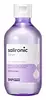
This acne toner is formulated around Houttuynia Cordata Extract and Betaine Salicylate to clear breakouts and calm redness.
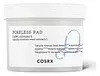
This pore-care toner pad uses a pre-saturated pad with Betaine Salicylate and Mandelic Acid to refine the look of pores and refine skin texture.

What's inside
What's inside
 Key Ingredients
Benefits
Concerns
Ingredients Side-by-side
Water
Skin ConditioningMethylpropanediol
SolventGlycerin
Humectant


Ceramide AP
Skin Conditioning



1,2-Hexanediol
Skin Conditioning
Houttuynia Cordata Extract
Skin Conditioning
Betaine
Humectant
Hydroxyethylcellulose
Emulsion StabilisingEthylhexylglycerin
Skin ConditioningPolyglyceryl-10 Laurate
Skin Conditioning

Carbomer
Emulsion StabilisingAllantoin
Skin Conditioning
Disodium EDTA
ChelatingTromethamine
BufferingVitis Vinifera Fruit Extract
Skin ConditioningAnthemis Nobilis Flower Extract
Masking
Citric Acid
Buffering

Squalene
Emollient
Butylene Glycol
Humectant
Betaine Salicylate
Antimicrobial




Gluconolactone
Chelating

Diospyros Kaki Leaf Extract
Skin Protecting
Polygonum Cuspidatum Root Extract
Antioxidant
Coffea Arabica Seed Extract
Masking
Carthamus Tinctorius Flower Extract
Skin ConditioningZanthoxylum Piperitum Fruit Extract
Skin ConditioningCastanea Crenata Shell Extract
Skin ConditioningCamellia Sinensis Leaf Extract
Antimicrobial
Pentylene Glycol
Skin Conditioning
Hydrolyzed Hyaluronic Acid
Humectant
Sodium Hyaluronate Crosspolymer
Humectant
Sodium Hyaluronate
Humectant
Hyaluronic Acid
Humectant
Hydrolyzed Sodium Hyaluronate
Skin Conditioning
Water, Methylpropanediol, Glycerin, Ceramide AP, 1,2-Hexanediol, Houttuynia Cordata Extract, Betaine, Hydroxyethylcellulose, Ethylhexylglycerin, Polyglyceryl-10 Laurate, Carbomer, Allantoin, Disodium EDTA, Tromethamine, Vitis Vinifera Fruit Extract, Anthemis Nobilis Flower Extract, Citric Acid, Squalene, Butylene Glycol, Betaine Salicylate, Gluconolactone, Diospyros Kaki Leaf Extract, Polygonum Cuspidatum Root Extract, Coffea Arabica Seed Extract, Carthamus Tinctorius Flower Extract, Zanthoxylum Piperitum Fruit Extract, Castanea Crenata Shell Extract, Camellia Sinensis Leaf Extract, Pentylene Glycol, Hydrolyzed Hyaluronic Acid, Sodium Hyaluronate Crosspolymer, Sodium Hyaluronate, Hyaluronic Acid, Hydrolyzed Sodium Hyaluronate
Camellia Sinensis Seed Extract
Humectant
Butylene Glycol
Humectant
Glycerin
Humectant
1,2-Hexanediol
Skin Conditioning
Arginine
Masking
Betaine Salicylate
Antimicrobial
Mandelic Acid
Antimicrobial
Gluconolactone
Chelating
Panthenol
Skin Conditioning
Polyglyceryl-10 Myristate
Skin Conditioning
Polyglyceryl-10 Laurate
Skin Conditioning
Dimethyl Sulfone
SolventAllantoin
Skin Conditioning
Asiaticoside
Antioxidant
Madecassic Acid
Skin Conditioning
Asiatic Acid
Skin Conditioning
Tannic Acid
AstringentHydroxypropyl Cyclodextrin
MaskingCapryloyl Salicylic Acid
Exfoliating
Water
Skin ConditioningSodium Hyaluronate
Humectant
Pentylene Glycol
Skin Conditioning
Menthyl Lactate
Masking
Mentha Haplocalix Extract
MaskingSodium Phosphate
BufferingDisodium Phosphate
BufferingCamellia Sinensis Seed Extract, Butylene Glycol, Glycerin, 1,2-Hexanediol, Arginine, Betaine Salicylate, Mandelic Acid, Gluconolactone, Panthenol, Polyglyceryl-10 Myristate, Polyglyceryl-10 Laurate, Dimethyl Sulfone, Allantoin, Asiaticoside, Madecassic Acid, Asiatic Acid, Tannic Acid, Hydroxypropyl Cyclodextrin, Capryloyl Salicylic Acid, Water, Sodium Hyaluronate, Pentylene Glycol, Menthyl Lactate, Mentha Haplocalix Extract, Sodium Phosphate, Disodium Phosphate
Ingredients Explained
These ingredients are found in both products.
Ingredients higher up in an ingredient list are typically present in a larger amount.
1,2-Hexanediol is a synthetic liquid and another multi-functional powerhouse.
It is a:
- Humectant, drawing moisture into the skin
- Emollient, helping to soften skin
- Solvent, dispersing and stabilizing formulas
- Preservative booster, enhancing the antimicrobial activity of other preservatives
Allantoin is a soothing ingredient known for its protective and moisturizing properties; it's basically a quiet workhorse ingredient you can find in a huge range of cosmetics.
Though it can be derived from the comfrey plant, allantoin is produced synthetically for cosmetic products to ensure purity.
Research shows it can encourage your skin cells to turn over and renew by stimulating keratinocyte and fibroblast proliferation.
It also has mild keratolytic properties to help loosen and shed dead skin cells without being harsh.
Studies also suggest allantoin can help calm inflammation by dialing down some of the chemical signals your skin sends out when it is irritated.
This ingredient is typically used in the 0.1-0.5% range, and the FDA recognizes it as a skin protectant in OTC products up to 2%.
Overall, allantoin is a wonderful addition to most routines; it is stable across a wide pH range (~4-8), works well with other ingredients, and is considered non-sensitizing/non-irritating.
Fun fact: Allantoin is naturally occurring in comfrey root, beets, chamomile, and wheat sprouts. Our bodies even produce it as a byproduct of uric acid metabolism.
Learn more about AllantoinBetaine Salicylate is considered a salicylic acid alternative.
Limited studies exist proving this ingredient to be a complete alternative to salicylic acid. Based on existing research, this ingredient does not penetrate as deeply and is not shown to be as effective.
However, this makes it a great choice for those with sensitive skin or need gentle BHA action.
This ingredient is created using betaine and salicylic acid.
This ingredient is oil-soluble and is most effective at a pH range of 3.8-4.2.
Learn more about Betaine SalicylateButylene Glycol (or BG) is used within cosmetic products for a few different reasons:
Overall, Butylene Glycol is a safe and well-rounded ingredient that works well with other ingredients.
Though this ingredient works well with most skin types, some people with sensitive skin may experience a reaction such as allergic rashes, closed comedones, or itchiness.
Learn more about Butylene GlycolGluconolactone is a PHA. PHAs are a great gentle alternative to traditional AHAs.
When applied, Gluconolactone has the same affect on skin as AHAs such as lactic acid. It helps dissolve the dead skin cells in the top layer of your skin. This improves texture and brightens the skin.
PHAs are more gentle than AHAs due to their larger structure. They do not penetrate as deeply as AHAs and take a longer time to dissolve dead cells. Studies show PHAs do not cause as much irritation.
Gluconolactone has some interesting properties:
In a 2004 study, Gluconolactone was found to prevent UV damage in mouse skin cells and has not been found to increase sun sensitivity. However, we still recommend wearing SPF daily.
This ingredient is is an created by reacting gluconic acid with an alcohol.
Learn more about GluconolactoneGlycerin (or glycerol) is a compound naturally found in your skin. It's a powerhouse humectant that pulls water into the stratum corneum.
Topically, glycerin does several things at once:
Your skin makes glycerin on its own (mostly from sebaceous oil breakdown) and shuttles it to your outermost layer of skin, or your epidermis, via aquaporin-3.
Aquaporin-3 is a transporter that is essential for normal skin hydration, elasticity, and repair. Interestingly, mice lacking in AQP3 have dry and less elastic skin that can be fully corrected with glycerin.
This ingredient is non-irritating, plays well with almost every ingredient, and works across all skin types. Typical use is anywhere between 3-10% but can go up to 79% in some leave-on products.
Just know very high concentrations (>40%) can feel tacky in low humidity.
Glycerin is the name for this ingredient in American English. British English uses Glycerol/Glycerine.
Learn more about GlycerinPentylene Glycol (1,2-pentanediol) is a multitasking little diol with three main roles in a formula:
Research on alkanediols (the family pentylene glycol belongs to) show they work by disrupting microbial cell membranes. This disruption helps the primary preservative system in a product work more effectively at lower doses.
On the safety side, the Cosmetic Ingredient Review Expert Panel has concluded this ingredient to be safe as used in current cosmetic practices + concentrations.
Typical use levels in a formula run about 1-5%.
Learn more about Pentylene GlycolPolyglyceryl-10 Laurate is a cleansing agent and emulsifier.
It rounds up dirt, oil, and grime, so they can be rinsed off easily as a cleanser.
On the emulsifier side, it keeps your formula smooth and well-mixed by playing peacekeeper for ingredients that don't naturally get along (like oil and water).
Because it has a C12 (lauric acid) fatty acid chain, this ingredient can potentially feed the Malassezia yeast that causes fungal acne. The Malassezia yeast prefers esters with C11-C24 fatty acids.
This ingredient is an ester of lauric acid and Polyglycerin-10.
Learn more about Polyglyceryl-10 LaurateSodium Hyaluronate is the salt form of hyaluronic acid. It is a long sugar chain that is naturally found in your skin, joints, and connective tissue that maintains hydration and elasticity.
In skincare, it works as a humectant. It pulls water from the environment and deeper layers of skin and binds it to the surface.
Interestingly, the size of the molecule affects its behavior:
Some clinical evidence links low molecular weight versions to improved wrinkle depth, elasticity, anti-inflammatory effects, and barrier repair.
Many serums use a blend of both weights so you can get surface hydration plus longer-lasting and deeper effects.
You'll typically see concentrations between 0.1-2% for this ingredient.
Learn more about Sodium HyaluronateWater. It's the most common cosmetic ingredient of all. You'll usually see it at the top of ingredient lists, meaning that it makes up the largest part of the product.
So why is it so popular? Water most often acts as a solvent - this means that it helps dissolve other ingredients into the formulation.
You'll also recognize water as that liquid we all need to stay alive. If you see this, drink a glass of water. Remember to stay hydrated!
Learn more about Water

