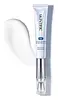
This anti-aging eye moisturizer is formulated around Palmitoyl Pentapeptide-4 and Dipeptide Diaminobutyroyl Benzylamide Diacetate to soften the look of wrinkles and refine skin texture.
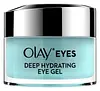
This anti-aging eye moisturizer is formulated around Niacinamide and Sodium Hyaluronate to soften the look of wrinkles and hydrate skin.


What's inside
What's inside
 Key Ingredients
Benefits
Concerns
Ingredients Side-by-side
Water
Skin ConditioningMaris Aqua
HumectantPropanediol
Solvent

Coco-Caprylate/Caprate
Emollient
Glycerin
Humectant
Cyclopentasiloxane
Emollient
Cetyl Alcohol
Emollient


Erythritol
Humectant
Dimethicone
Emollient
Limnanthes Alba Seed Oil
Skin Conditioning
Cyclohexasiloxane
Emollient
Glyceryl Stearate
Emollient
Hydroxyacetophenone
Antioxidant
1,2-Hexanediol
Skin Conditioning
Tocopheryl Acetate
Antioxidant

Phytosteryl/Octyldodecyl Lauroyl Glutamate
Skin ConditioningPEG-75 Stearate
Surfactant
Ammonium Acryloyldimethyltaurate/Vp Copolymer
Steareth-20
CleansingCeteth-20
CleansingButylene Glycol
Humectant
Palmitoyl Pentapeptide-4
Skin Conditioning


Dipeptide Diaminobutyroyl Benzylamide Diacetate
Skin Conditioning
Acetyl Tetrapeptide-5
Humectant
Niacinamide
Smoothing






Caffeine
Skin Conditioning
Xanthan Gum
EmulsifyingTrehalose
Humectant
Sophora Flavescens Root Extract
Antioxidant
Dendrobium Nobile Stem Extract
Skin ConditioningPentylene Glycol
Skin Conditioning
Sodium Hyaluronate
Humectant
Pentaerythrityl Tetra-Di-T-Butyl Hydroxyhydrocinnamate
Antioxidant
Ophiopogon Japonicus Root Extract
Skin ConditioningOpuntia Ficus-Indica Stem Extract
Skin Conditioning
Aloe Barbadensis Leaf Extract
Emollient
Disodium EDTA
ChelatingLycium Barbarum Fruit Extract
Astringent
Echinacea Purpurea Extract
MoisturisingPalmaria Palmata Extract
Skin Protecting

Polysorbate 20
Emulsifying
Hydrogenated Lecithin
Emulsifying
Carbomer
Emulsion StabilisingCeramide NP
Skin Conditioning
Tocopherol
Antioxidant
Arginine
Masking
Ceramide Ns
Skin Conditioning
Ceramide Ng
Skin Conditioning
Ceramide As
Skin Conditioning
Ceramide EOP
Skin Conditioning
Ceramide AP
Skin Conditioning
Water, Maris Aqua, Propanediol, Coco-Caprylate/Caprate, Glycerin, Cyclopentasiloxane, Cetyl Alcohol, Erythritol, Dimethicone, Limnanthes Alba Seed Oil, Cyclohexasiloxane, Glyceryl Stearate, Hydroxyacetophenone, 1,2-Hexanediol, Tocopheryl Acetate, Phytosteryl/Octyldodecyl Lauroyl Glutamate, PEG-75 Stearate, Ammonium Acryloyldimethyltaurate/Vp Copolymer, Steareth-20, Ceteth-20, Butylene Glycol, Palmitoyl Pentapeptide-4, Dipeptide Diaminobutyroyl Benzylamide Diacetate, Acetyl Tetrapeptide-5, Niacinamide, Caffeine, Xanthan Gum, Trehalose, Sophora Flavescens Root Extract, Dendrobium Nobile Stem Extract, Pentylene Glycol, Sodium Hyaluronate, Pentaerythrityl Tetra-Di-T-Butyl Hydroxyhydrocinnamate, Ophiopogon Japonicus Root Extract, Opuntia Ficus-Indica Stem Extract, Aloe Barbadensis Leaf Extract, Disodium EDTA, Lycium Barbarum Fruit Extract, Echinacea Purpurea Extract, Palmaria Palmata Extract, Polysorbate 20, Hydrogenated Lecithin, Carbomer, Ceramide NP, Tocopherol, Arginine, Ceramide Ns, Ceramide Ng, Ceramide As, Ceramide EOP, Ceramide AP
Water
Skin ConditioningPropylene Glycol
Humectant
Glycerin
Humectant
Niacinamide
Smoothing
Dimethicone
Emollient
Panthenol
Skin Conditioning
Sodium Hyaluronate
Humectant
Palmitoyl Pentapeptide-4
Skin Conditioning
Cucumis Sativus Fruit Extract
Emollient
Caprylyl Glycol
Emollient
Dimethiconol
Emollient
Hamamelis Virginiana Water
Astringent

Disodium EDTA
ChelatingCarbomer
Emulsion StabilisingAcrylates/C10-30 Alkyl Acrylate Crosspolymer
Emulsion StabilisingGlyceryl Acrylate/Acrylic Acid Copolymer
HumectantPvm/Ma Copolymer
Emulsion StabilisingAminomethyl Propanol
Buffering1,2-Hexanediol
Skin Conditioning
Phenoxyethanol
Preservative
CI 61570
Cosmetic ColorantWater, Propylene Glycol, Glycerin, Niacinamide, Dimethicone, Panthenol, Sodium Hyaluronate, Palmitoyl Pentapeptide-4, Cucumis Sativus Fruit Extract, Caprylyl Glycol, Dimethiconol, Hamamelis Virginiana Water, Disodium EDTA, Carbomer, Acrylates/C10-30 Alkyl Acrylate Crosspolymer, Glyceryl Acrylate/Acrylic Acid Copolymer, Pvm/Ma Copolymer, Aminomethyl Propanol, 1,2-Hexanediol, Phenoxyethanol, CI 61570
Reviews
Ingredients Explained
These ingredients are found in both products.
Ingredients higher up in an ingredient list are typically present in a larger amount.
1,2-Hexanediol is a synthetic liquid and another multi-functional powerhouse.
It is a:
- Humectant, drawing moisture into the skin
- Emollient, helping to soften skin
- Solvent, dispersing and stabilizing formulas
- Preservative booster, enhancing the antimicrobial activity of other preservatives
Carbomer is a synthetic thickening and gelling agent. It's basically the ingredient that gives a lot of serums, gels, creams, and sunscreens their smooth, non-sticky texture.
Although legally permitted at very high levels, carbomers are normally used at concentrations below 1%.
It also needs to be neutralized to actually thicken, and because it is a large molecule, it doesn't really penetrate the skin barrier.
Allergy-wise, the risk is very low. Clinical studies show carbomers have low potential for skin irritation/sensitization even at concentrations up to 100%.
A 2024 UK study patch-tested 1,302 patients and found true allergy to the parent group of carbomer to be rare with no confirmed relevant reactions.
Learn more about CarbomerDimethicone is a type of synthetic silicone created from natural materials such as quartz. It is also known as polydimethylsiloxane.
What it does:
Dimethicone comes in different viscosities:
Depending on the viscosity, dimethicone has different properties.
Ingredients lists don't always show which type is used, so we recommend reaching out to the brand if you have questions about the viscosity.
This ingredient is unlikely to cause irritation because it does not get absorbed into skin. However, people with silicone allergies should be careful about using this ingredient.
Note: Dimethicone may contribute to pilling. This is because it is not oil or water soluble, so pilling may occur when layered with products. When mixed with heavy oils in a formula, the outcome is also quite greasy.
Learn more about DimethiconeDisodium EDTA is a chelating agent. It grabs onto and deactivates metal ions that sneak into your products from water, packaging, or air.
This ingredient mainly works behind the scenes and helps with:
On top of that, this ingredient can counteract the effects of hard water by binding to the minerals in it.
One thing worth knowing is that Disodium EDTA has been shown to be a mild penetration enhancer. It can help other ingredients absorb into skin more effectively which can be a double-edged sword (great for actives, but can also make the active too strong if you have sensitive skin).
Clinical patch testing showed no significant skin irritation at typical use concentrations and minimal dermal absorption.
You'll most likely see this ingredient near the end of an ingredient list. It's typically found in concentrations less than 1%.
Learn more about Disodium EDTAGlycerin (or glycerol) is a compound naturally found in your skin. It's a powerhouse humectant that pulls water into the stratum corneum.
Topically, glycerin does several things at once:
Your skin makes glycerin on its own (mostly from sebaceous oil breakdown) and shuttles it to your outermost layer of skin, or your epidermis, via aquaporin-3.
Aquaporin-3 is a transporter that is essential for normal skin hydration, elasticity, and repair. Interestingly, mice lacking in AQP3 have dry and less elastic skin that can be fully corrected with glycerin.
This ingredient is non-irritating, plays well with almost every ingredient, and works across all skin types. Typical use is anywhere between 3-10% but can go up to 79% in some leave-on products.
Just know very high concentrations (>40%) can feel tacky in low humidity.
Glycerin is the name for this ingredient in American English. British English uses Glycerol/Glycerine.
Learn more about GlycerinNiacinamide is a multitasking form of vitamin B3 that strengthens the skin barrier, reduces pores and dark spots, regulates oil, and improves signs of aging.
And the best part? It's gentle and well-tolerated by most skin types, including sensitive and reactive skin.
You might have heard of "niacin flush", or the reddening of skin that causes itchiness. Niacinamide has not been found to cause this.
In very rare cases, some individuals may not be able to tolerate niacinamide at all or experience an allergic reaction to it.
If you are experiencing flaking, irritation, and dryness with this ingredient, be sure to double check all your products as this ingredient can be found in all categories of skincare.
When incorporating niacinamide into your routine, look out for concentration amounts. Typically, 5% niacinamide provides benefits such as fading dark spots. However, if you have sensitive skin, it is better to begin with a smaller concentration.
When you apply niacinamide to your skin, your body converts it into nicotinamide adenine dinucleotide (NAD). NAD is an essential coenzyme that is already found in your cells as "fuel" and powers countless biological processes.
In your skin, NAD helps repair cell damage, produce new healthy cells, support collagen production, strengthen the skin barrier, and fight environmental stressors (like UV and pollution).
Our natural NAD levels start to decline with age, leading to slower skin repair, visible aging, and a weaker skin barrier. By providing your skin niacinamide, you're recharging your skin's NAD levels. This leads to stronger, healthier, and younger looking skin.
Another name for vitamin B3 is nicotinamide. This vitamin is water-soluble and our bodies don't store it. We obtain Vitamin B3 from either food or skincare. Meat, fish, wheat, yeast, and leafy greens contain vitamin B3.
The type of niacinamide used in skincare is synthetically created.
Learn more about NiacinamideYou might know this ingredient as Matrixyl. It is a synthetic peptide made up of five amino acids attached to a palmitic acid, a fatty acid that helps it absorb into skin more easily.
As a signal peptide, Matrixyl acts like a little messenger. Once it reaches your skin cells, it tells them to ramp up production of collagen, elastin, and other proteins that keep skin looking firm and smooth.
A 12 week clinical study found that a moisturizer containing just 3 ppm of Matrixyl led to a significant improvement in fine-lines and wrinkles. Another study showed an 18% reduction in wrinkle depth, 37% reduction in wrinkle thickness, and a 21% improvement in skin firmness after just 28 days of twice-daily use.
The coolest part is that it works at incredibly low concentrations (like 0.0003%) and it plays well with other actives.
The CIR (Cosmetic Ingredient Review) panel found it to be non-sensitizing across multiple tests and human patch tests also showed no irritation or sensitization.
Fun fact: Matrixyl was originally developed by French company Sederma and Procter & Gamble.
Read more about other common types of peptides here:
Learn more about Palmitoyl Pentapeptide-4Sodium Hyaluronate is the salt form of hyaluronic acid. It is a long sugar chain that is naturally found in your skin, joints, and connective tissue that maintains hydration and elasticity.
In skincare, it works as a humectant. It pulls water from the environment and deeper layers of skin and binds it to the surface.
Interestingly, the size of the molecule affects its behavior:
Some clinical evidence links low molecular weight versions to improved wrinkle depth, elasticity, anti-inflammatory effects, and barrier repair.
Many serums use a blend of both weights so you can get surface hydration plus longer-lasting and deeper effects.
You'll typically see concentrations between 0.1-2% for this ingredient.
Learn more about Sodium HyaluronateWater. It's the most common cosmetic ingredient of all. You'll usually see it at the top of ingredient lists, meaning that it makes up the largest part of the product.
So why is it so popular? Water most often acts as a solvent - this means that it helps dissolve other ingredients into the formulation.
You'll also recognize water as that liquid we all need to stay alive. If you see this, drink a glass of water. Remember to stay hydrated!
Learn more about Water

