Skintific 360 Crystal Massager Lifting Eye Cream Versus Avoskin Eye Gel Mask with Black Caviar Extract 'Luxurious Renewal'
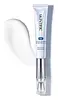
This anti-aging eye moisturizer is formulated around Palmitoyl Pentapeptide-4 and Dipeptide Diaminobutyroyl Benzylamide Diacetate to soften the look of wrinkles and refine skin texture.
This hydrating eye mask is formulated around Hyaluronic Acid and Laminaria Japonica Extract to hydrate skin and soften the look of wrinkles.


What's inside
What's inside
 Key Ingredients
Benefits
Concerns
Ingredients Side-by-side
Water
Skin ConditioningMaris Aqua
HumectantPropanediol
Solvent

Coco-Caprylate/Caprate
Emollient
Glycerin
Humectant
Cyclopentasiloxane
Emollient
Cetyl Alcohol
Emollient


Erythritol
Humectant
Dimethicone
Emollient
Limnanthes Alba Seed Oil
Skin Conditioning
Cyclohexasiloxane
Emollient
Glyceryl Stearate
Emollient
Hydroxyacetophenone
Antioxidant
1,2-Hexanediol
Skin Conditioning
Tocopheryl Acetate
Antioxidant

Phytosteryl/Octyldodecyl Lauroyl Glutamate
Skin ConditioningPEG-75 Stearate
Surfactant
Ammonium Acryloyldimethyltaurate/Vp Copolymer
Steareth-20
CleansingCeteth-20
CleansingButylene Glycol
Humectant
Palmitoyl Pentapeptide-4
Skin Conditioning


Dipeptide Diaminobutyroyl Benzylamide Diacetate
Skin Conditioning
Acetyl Tetrapeptide-5
Humectant
Niacinamide
Smoothing






Caffeine
Skin Conditioning
Xanthan Gum
EmulsifyingTrehalose
Humectant
Sophora Flavescens Root Extract
Antioxidant
Dendrobium Nobile Stem Extract
Skin ConditioningPentylene Glycol
Skin Conditioning
Sodium Hyaluronate
Humectant
Pentaerythrityl Tetra-Di-T-Butyl Hydroxyhydrocinnamate
Antioxidant
Ophiopogon Japonicus Root Extract
Skin ConditioningOpuntia Ficus-Indica Stem Extract
Skin Conditioning
Aloe Barbadensis Leaf Extract
Emollient
Disodium EDTA
ChelatingLycium Barbarum Fruit Extract
Astringent
Echinacea Purpurea Extract
MoisturisingPalmaria Palmata Extract
Skin Protecting

Polysorbate 20
Emulsifying
Hydrogenated Lecithin
Emulsifying
Carbomer
Emulsion StabilisingCeramide NP
Skin Conditioning
Tocopherol
Antioxidant
Arginine
Masking
Ceramide Ns
Skin Conditioning
Ceramide Ng
Skin Conditioning
Ceramide As
Skin Conditioning
Ceramide EOP
Skin Conditioning
Ceramide AP
Skin Conditioning
Water, Maris Aqua, Propanediol, Coco-Caprylate/Caprate, Glycerin, Cyclopentasiloxane, Cetyl Alcohol, Erythritol, Dimethicone, Limnanthes Alba Seed Oil, Cyclohexasiloxane, Glyceryl Stearate, Hydroxyacetophenone, 1,2-Hexanediol, Tocopheryl Acetate, Phytosteryl/Octyldodecyl Lauroyl Glutamate, PEG-75 Stearate, Ammonium Acryloyldimethyltaurate/Vp Copolymer, Steareth-20, Ceteth-20, Butylene Glycol, Palmitoyl Pentapeptide-4, Dipeptide Diaminobutyroyl Benzylamide Diacetate, Acetyl Tetrapeptide-5, Niacinamide, Caffeine, Xanthan Gum, Trehalose, Sophora Flavescens Root Extract, Dendrobium Nobile Stem Extract, Pentylene Glycol, Sodium Hyaluronate, Pentaerythrityl Tetra-Di-T-Butyl Hydroxyhydrocinnamate, Ophiopogon Japonicus Root Extract, Opuntia Ficus-Indica Stem Extract, Aloe Barbadensis Leaf Extract, Disodium EDTA, Lycium Barbarum Fruit Extract, Echinacea Purpurea Extract, Palmaria Palmata Extract, Polysorbate 20, Hydrogenated Lecithin, Carbomer, Ceramide NP, Tocopherol, Arginine, Ceramide Ns, Ceramide Ng, Ceramide As, Ceramide EOP, Ceramide AP
Water
Skin ConditioningGlycerin
Humectant
Pentylene Glycol
Skin Conditioning
Hamamelis Virginiana Water
Astringent

Carbomer
Emulsion StabilisingBenzyl Alcohol
Perfuming




Tetrasodium EDTA
ChelatingSodium Hydroxide
BufferingPolyacrylamide
PPG-5-Ceteth-20
EmulsifyingC13-14 Isoparaffin
Emollient
Ethylene/Acrylic Acid Copolymer
Emulsion StabilisingLaureth-7
EmulsifyingHyaluronic Acid
Humectant
Laminaria Japonica Extract
Skin Protecting
Piscum Ovum Extract
Skin ConditioningMethylparaben
Preservative

CI 77891
Cosmetic ColorantMica
Cosmetic ColorantWater, Glycerin, Pentylene Glycol, Hamamelis Virginiana Water, Carbomer, Benzyl Alcohol, Tetrasodium EDTA, Sodium Hydroxide, Polyacrylamide, PPG-5-Ceteth-20, C13-14 Isoparaffin, Ethylene/Acrylic Acid Copolymer, Laureth-7, Hyaluronic Acid, Laminaria Japonica Extract, Piscum Ovum Extract, Methylparaben, CI 77891, Mica
Reviews
Alternatives
Ingredients Explained
These ingredients are found in both products.
Ingredients higher up in an ingredient list are typically present in a larger amount.
Carbomer is a synthetic thickening and gelling agent. It's basically the ingredient that gives a lot of serums, gels, creams, and sunscreens their smooth, non-sticky texture.
Although legally permitted at very high levels, carbomers are normally used at concentrations below 1%.
It also needs to be neutralized to actually thicken, and because it is a large molecule, it doesn't really penetrate the skin barrier.
Allergy-wise, the risk is very low. Clinical studies show carbomers have low potential for skin irritation/sensitization even at concentrations up to 100%.
A 2024 UK study patch-tested 1,302 patients and found true allergy to the parent group of carbomer to be rare with no confirmed relevant reactions.
Learn more about CarbomerGlycerin (or glycerol) is a compound naturally found in your skin. It's a powerhouse humectant that pulls water into the stratum corneum.
Topically, glycerin does several things at once:
Your skin makes glycerin on its own (mostly from sebaceous oil breakdown) and shuttles it to your outermost layer of skin, or your epidermis, via aquaporin-3.
Aquaporin-3 is a transporter that is essential for normal skin hydration, elasticity, and repair. Interestingly, mice lacking in AQP3 have dry and less elastic skin that can be fully corrected with glycerin.
This ingredient is non-irritating, plays well with almost every ingredient, and works across all skin types. Typical use is anywhere between 3-10% but can go up to 79% in some leave-on products.
Just know very high concentrations (>40%) can feel tacky in low humidity.
Glycerin is the name for this ingredient in American English. British English uses Glycerol/Glycerine.
Learn more about GlycerinPentylene Glycol (1,2-pentanediol) is a multitasking little diol with three main roles in a formula:
Research on alkanediols (the family pentylene glycol belongs to) show they work by disrupting microbial cell membranes. This disruption helps the primary preservative system in a product work more effectively at lower doses.
On the safety side, the Cosmetic Ingredient Review Expert Panel has concluded this ingredient to be safe as used in current cosmetic practices + concentrations.
Typical use levels in a formula run about 1-5%.
Learn more about Pentylene GlycolWater. It's the most common cosmetic ingredient of all. You'll usually see it at the top of ingredient lists, meaning that it makes up the largest part of the product.
So why is it so popular? Water most often acts as a solvent - this means that it helps dissolve other ingredients into the formulation.
You'll also recognize water as that liquid we all need to stay alive. If you see this, drink a glass of water. Remember to stay hydrated!
Learn more about Water

