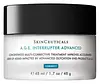
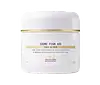
SkinCeuticals A.G.E. Interrupter Advanced Versus Biologique Recherche Crème PIGM 400 Brightening and Pigment Spot-Correcting Face Cream
This anti-aging treatment is formulated around Niacinamide and Adenosine to soften the look of wrinkles and strengthen the skin barrier.


What's inside
What's inside
 Key Ingredients
Benefits
Concerns
Ingredients Side-by-side
Water
Skin ConditioningHydroxypropyl Tetrahydropyrantriol
Skin ConditioningGlycerin
Humectant


Propylene Glycol
Humectant

Stearic Acid
Cleansing

Butyrospermum Parkii Butter
Skin Conditioning
Hydroxyethylpiperazine Ethane Sulfonic Acid
BufferingPalmitic Acid
Emollient
Pentylene Glycol
Skin Conditioning
Oleyl Alcohol
Emollient


Arachidyl Alcohol
Emollient
Myristyl Myristate
Emollient
Panthenol
Skin Conditioning

Niacinamide
Smoothing







Dimethicone
Emollient
Isononyl Isononanoate
EmollientBis-PEG/PPG-16/16 PEG/PPG-16/16 Dimethicone
Emollient
Glyceryl Stearate
Emollient
Candelilla Cera
Emollient
Euphorbia Cerifera Cera
Astringent
Behenyl Alcohol
Emollient
PEG-100 Stearate
Surfactant
Sodium Polyacrylate
Absorbent
Pentaerythrityl Tetraisostearate
Emollient
4-T-Butylcyclohexanol
Masking
Arachidyl Glucoside
EmulsifyingCaprylyl Glycol
Emollient
Xanthan Gum
EmulsifyingChlorphenesin
Antimicrobial
Myristic Acid
Cleansing
Caprylic/Capric Triglyceride
Masking
Glycyrrhetinic Acid
Skin Conditioning
Parfum
Masking
Sorbitol
Humectant
Vaccinium Myrtillus Fruit Extract
Skin ConditioningPotassium Hydroxide
BufferingAdenosine
Skin Conditioning
Citric Acid
Buffering
Punica Granatum Fruit Extract
Antioxidant
Limonene
Perfuming
Coumarin
Perfuming
Linalool
Perfuming
Pentaerythrityl Tetra-Di-T-Butyl Hydroxyhydrocinnamate
Antioxidant
Water, Hydroxypropyl Tetrahydropyrantriol, Glycerin, Propylene Glycol, Stearic Acid, Butyrospermum Parkii Butter, Hydroxyethylpiperazine Ethane Sulfonic Acid, Palmitic Acid, Pentylene Glycol, Oleyl Alcohol, Arachidyl Alcohol, Myristyl Myristate, Panthenol, Niacinamide, Dimethicone, Isononyl Isononanoate, Bis-PEG/PPG-16/16 PEG/PPG-16/16 Dimethicone, Glyceryl Stearate, Candelilla Cera, Euphorbia Cerifera Cera, Behenyl Alcohol, PEG-100 Stearate, Sodium Polyacrylate, Pentaerythrityl Tetraisostearate, 4-T-Butylcyclohexanol, Arachidyl Glucoside, Caprylyl Glycol, Xanthan Gum, Chlorphenesin, Myristic Acid, Caprylic/Capric Triglyceride, Glycyrrhetinic Acid, Parfum, Sorbitol, Vaccinium Myrtillus Fruit Extract, Potassium Hydroxide, Adenosine, Citric Acid, Punica Granatum Fruit Extract, Limonene, Coumarin, Linalool, Pentaerythrityl Tetra-Di-T-Butyl Hydroxyhydrocinnamate
Water
Skin ConditioningCoco-Caprylate
Emollient
Butylene Glycol
Humectant
Sodium Acrylates Copolymer
Pentylene Glycol
Skin Conditioning
Lactobacillus/Wasabia Japonica Root Ferment Extract
Antioxidant
Mica
Cosmetic ColorantHydrolyzed Prunus Domestica
Skin ConditioningSoy Isoflavones
Skin ConditioningLepidium Sativum Sprout Extract
Skin ConditioningHelianthus Annuus Seed Oil
Emollient
Biosaccharide Gum-4
Skin Conditioning
Alteromonas Ferment Filtrate
HumectantVibrio Alginolyticus Ferment Filtrate
Abrasive
Dimethylmethoxy Chromanyl Palmitate
Skin Conditioning
Dimethylmethoxy Chromanol
Antioxidant
Lecithin
Emollient
Glycerin
Humectant
Tocopherol
Antioxidant
Titanium Dioxide
Cosmetic Colorant

Magnesium Aluminum Silicate
Absorbent
Polysorbate 80
Emulsifying
Alcohol Denat.
Antimicrobial

Phenoxyethanol
Preservative
Water, Coco-Caprylate, Butylene Glycol, Sodium Acrylates Copolymer, Pentylene Glycol, Lactobacillus/Wasabia Japonica Root Ferment Extract, Mica, Hydrolyzed Prunus Domestica, Soy Isoflavones, Lepidium Sativum Sprout Extract, Helianthus Annuus Seed Oil, Biosaccharide Gum-4, Alteromonas Ferment Filtrate, Vibrio Alginolyticus Ferment Filtrate, Dimethylmethoxy Chromanyl Palmitate, Dimethylmethoxy Chromanol, Lecithin, Glycerin, Tocopherol, Titanium Dioxide, Magnesium Aluminum Silicate, Polysorbate 80, Alcohol Denat., Phenoxyethanol
Ingredients Explained
These ingredients are found in both products.
Ingredients higher up in an ingredient list are typically present in a larger amount.
Glycerin (or glycerol) is a compound naturally found in your skin. It's a powerhouse humectant that pulls water into the stratum corneum.
Topically, glycerin does several things at once:
Your skin makes glycerin on its own (mostly from sebaceous oil breakdown) and shuttles it to your outermost layer of skin, or your epidermis, via aquaporin-3.
Aquaporin-3 is a transporter that is essential for normal skin hydration, elasticity, and repair. Interestingly, mice lacking in AQP3 have dry and less elastic skin that can be fully corrected with glycerin.
This ingredient is non-irritating, plays well with almost every ingredient, and works across all skin types. Typical use is anywhere between 3-10% but can go up to 79% in some leave-on products.
Just know very high concentrations (>40%) can feel tacky in low humidity.
Glycerin is the name for this ingredient in American English. British English uses Glycerol/Glycerine.
Learn more about GlycerinPentylene Glycol (1,2-pentanediol) is a multitasking little diol with three main roles in a formula:
Research on alkanediols (the family pentylene glycol belongs to) show they work by disrupting microbial cell membranes. This disruption helps the primary preservative system in a product work more effectively at lower doses.
On the safety side, the Cosmetic Ingredient Review Expert Panel has concluded this ingredient to be safe as used in current cosmetic practices + concentrations.
Typical use levels in a formula run about 1-5%.
Learn more about Pentylene GlycolWater. It's the most common cosmetic ingredient of all. You'll usually see it at the top of ingredient lists, meaning that it makes up the largest part of the product.
So why is it so popular? Water most often acts as a solvent - this means that it helps dissolve other ingredients into the formulation.
You'll also recognize water as that liquid we all need to stay alive. If you see this, drink a glass of water. Remember to stay hydrated!
Learn more about Water

