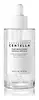
This brightening ampoule is formulated around Niacinamide and Tranexamic Acid to brighten dull-looking skin and fade the look of dark spots.
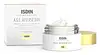
This anti-aging day moisturizer is formulated around Niacinamide and Carnosine to soften the look of wrinkles and strengthen the skin barrier.


What's inside
What's inside
 Key Ingredients
Benefits
Concerns
No concerns
Ingredients Side-by-side
Water
Skin ConditioningButylene Glycol
Humectant

Niacinamide
Smoothing










Glycerin
Humectant
Tranexamic Acid
Astringent
1,2-Hexanediol
Skin Conditioning
Betaine
Humectant
Centella Asiatica Extract
Cleansing
Zea Mays Starch
Absorbent
Xanthan Gum
EmulsifyingMicrocrystalline Cellulose
AbsorbentMannitol
Humectant
Panthenol
Skin Conditioning
Pentylene Glycol
Skin Conditioning
Ethylhexylglycerin
Skin ConditioningHydroxyethylcellulose
Emulsion StabilisingMadecassoside
Antioxidant
Acrylates/C10-30 Alkyl Acrylate Crosspolymer
Emulsion StabilisingArginine
Masking
Hydrogenated Lecithin
Emulsifying
Xylitylglucoside
Humectant
Anhydroxylitol
Humectant
Xylitol
Humectant
Glucose
Humectant
3-O-Ethyl Ascorbic Acid
Skin Conditioning
Lactobacillus Ferment
Skin Conditioning
Water, Butylene Glycol, Niacinamide, Glycerin, Tranexamic Acid, 1,2-Hexanediol, Betaine, Centella Asiatica Extract, Zea Mays Starch, Xanthan Gum, Microcrystalline Cellulose, Mannitol, Panthenol, Pentylene Glycol, Ethylhexylglycerin, Hydroxyethylcellulose, Madecassoside, Acrylates/C10-30 Alkyl Acrylate Crosspolymer, Arginine, Hydrogenated Lecithin, Xylitylglucoside, Anhydroxylitol, Xylitol, Glucose, 3-O-Ethyl Ascorbic Acid, Lactobacillus Ferment
Water
Skin ConditioningButylene Glycol
Humectant
Isodecyl Neopentanoate
EmollientPropanediol
Solvent
Niacinamide
Smoothing
Glycerin
Humectant
Betaine
Humectant
Caprylic/Capric Triglyceride
Masking
Silica
Abrasive
Dimethicone
Emollient
Hydrogenated Polyisobutene
EmollientStearyl Alcohol
Emollient


Octyldodecanol
Emollient
Dipentaerythrityl Hexacaprylate/Hexacaprate
EmulsifyingTridecyl Trimellitate
EmollientPhenylpropanol
Masking

Ammonium Acryloyldimethyltaurate/Vp Copolymer
Acrylates/C10-30 Alkyl Acrylate Crosspolymer
Emulsion StabilisingCaprylyl Glycol
Emollient
Parfum
Masking

Cetearyl Alcohol
Emollient

Potassium Olivoyl Hydrolyzed Oat Protein
CleansingGlyceryl Stearate
Emollient
Carnosine
Skin Conditioning
Tridecyl Stearate
Emollient
Neopentyl Glycol Dicaprylate/Dicaprate
EmollientGlyceryl Oleate
Emollient
Pentylene Glycol
Skin Conditioning
Sodium Hyaluronate Crosspolymer
Humectant
Disodium EDTA
PEG-8
HumectantAlteromonas Ferment Extract
Skin Conditioning
Hydroxypropyl Cyclodextrin
MaskingTetradecyl Aminobutyroylvalylaminobutyric Urea Trifluoroacetate
Skin ConditioningTocopherol
Antioxidant
Benzyl Alcohol
Perfuming


Potassium Sorbate
Preservative
Sodium Benzoate
Masking
Ascorbyl Palmitate
Antioxidant
Magnesium Chloride
Alcohol Denat.
Antimicrobial
Ascorbic Acid
Antioxidant
Citric Acid
Buffering
Palmitoyl Tripeptide-38
Skin Conditioning
CI 15985
Cosmetic ColorantCI 19140
Cosmetic ColorantWater, Butylene Glycol, Isodecyl Neopentanoate, Propanediol, Niacinamide, Glycerin, Betaine, Caprylic/Capric Triglyceride, Silica, Dimethicone, Hydrogenated Polyisobutene, Stearyl Alcohol, Octyldodecanol, Dipentaerythrityl Hexacaprylate/Hexacaprate, Tridecyl Trimellitate, Phenylpropanol, Ammonium Acryloyldimethyltaurate/Vp Copolymer, Acrylates/C10-30 Alkyl Acrylate Crosspolymer, Caprylyl Glycol, Parfum, Cetearyl Alcohol, Potassium Olivoyl Hydrolyzed Oat Protein, Glyceryl Stearate, Carnosine, Tridecyl Stearate, Neopentyl Glycol Dicaprylate/Dicaprate, Glyceryl Oleate, Pentylene Glycol, Sodium Hyaluronate Crosspolymer, Disodium EDTA, PEG-8, Alteromonas Ferment Extract, Hydroxypropyl Cyclodextrin, Tetradecyl Aminobutyroylvalylaminobutyric Urea Trifluoroacetate, Tocopherol, Benzyl Alcohol, Potassium Sorbate, Sodium Benzoate, Ascorbyl Palmitate, Magnesium Chloride, Alcohol Denat., Ascorbic Acid, Citric Acid, Palmitoyl Tripeptide-38, CI 15985, CI 19140
Reviews
Ingredients Explained
These ingredients are found in both products.
Ingredients higher up in an ingredient list are typically present in a larger amount.
Acrylates/C10-30 Alkyl Acrylate Crosspolymer is a synthetic polymer. It is used to thicken, emulsify, and improve the texture of products.
As an emulsifier, it helps stabilize oil-in-water emulsions to give products an elegant feel when applied.
It can also form a thin protective film on skin. One study found that a formula using this polymer helped slow down how quickly other ingredients (like DEET) were absorbed through skin.
A 2024 study of over 1,300 patients confirmed that sensitization to this ingredient is rare. It is also non-mutagenic and has a clean track record.
Learn more about Acrylates/C10-30 Alkyl Acrylate CrosspolymerBetaine is a humectant. Like hyaluronic acid, it helps attract and retain moisture in the skin. It’s known for being gentle and for helping the skin maintain balanced hydration.
Betaine is mainly used to improve hydration and support calmer skin. It helps skin cells regulate water balance because it functions as an osmolyte.
Some studies suggest betaine may support making skin tone more even.
Fun fact: Betaine naturally exists in the skin and the body. In cosmetic products, it can be either plant-derived (most commonly from sugar beets) or synthetically produced for consistency and stability.
Betaine is also known as trimethylglycine.
Learn more about BetaineButylene Glycol (or BG) is used within cosmetic products for a few different reasons:
Overall, Butylene Glycol is a safe and well-rounded ingredient that works well with other ingredients.
Though this ingredient works well with most skin types, some people with sensitive skin may experience a reaction such as allergic rashes, closed comedones, or itchiness.
Learn more about Butylene GlycolGlycerin (or glycerol) is a compound naturally found in your skin. It's a powerhouse humectant that pulls water into the stratum corneum.
Topically, glycerin does several things at once:
Your skin makes glycerin on its own (mostly from sebaceous oil breakdown) and shuttles it to your outermost layer of skin, or your epidermis, via aquaporin-3.
Aquaporin-3 is a transporter that is essential for normal skin hydration, elasticity, and repair. Interestingly, mice lacking in AQP3 have dry and less elastic skin that can be fully corrected with glycerin.
This ingredient is non-irritating, plays well with almost every ingredient, and works across all skin types. Typical use is anywhere between 3-10% but can go up to 79% in some leave-on products.
Just know very high concentrations (>40%) can feel tacky in low humidity.
Glycerin is the name for this ingredient in American English. British English uses Glycerol/Glycerine.
Learn more about GlycerinNiacinamide is a multitasking form of vitamin B3 that strengthens the skin barrier, reduces pores and dark spots, regulates oil, and improves signs of aging.
And the best part? It's gentle and well-tolerated by most skin types, including sensitive and reactive skin.
You might have heard of "niacin flush", or the reddening of skin that causes itchiness. Niacinamide has not been found to cause this.
In very rare cases, some individuals may not be able to tolerate niacinamide at all or experience an allergic reaction to it.
If you are experiencing flaking, irritation, and dryness with this ingredient, be sure to double check all your products as this ingredient can be found in all categories of skincare.
When incorporating niacinamide into your routine, look out for concentration amounts. Typically, 5% niacinamide provides benefits such as fading dark spots. However, if you have sensitive skin, it is better to begin with a smaller concentration.
When you apply niacinamide to your skin, your body converts it into nicotinamide adenine dinucleotide (NAD). NAD is an essential coenzyme that is already found in your cells as "fuel" and powers countless biological processes.
In your skin, NAD helps repair cell damage, produce new healthy cells, support collagen production, strengthen the skin barrier, and fight environmental stressors (like UV and pollution).
Our natural NAD levels start to decline with age, leading to slower skin repair, visible aging, and a weaker skin barrier. By providing your skin niacinamide, you're recharging your skin's NAD levels. This leads to stronger, healthier, and younger looking skin.
Another name for vitamin B3 is nicotinamide. This vitamin is water-soluble and our bodies don't store it. We obtain Vitamin B3 from either food or skincare. Meat, fish, wheat, yeast, and leafy greens contain vitamin B3.
The type of niacinamide used in skincare is synthetically created.
Learn more about NiacinamidePentylene Glycol (1,2-pentanediol) is a multitasking little diol with three main roles in a formula:
Research on alkanediols (the family pentylene glycol belongs to) show they work by disrupting microbial cell membranes. This disruption helps the primary preservative system in a product work more effectively at lower doses.
On the safety side, the Cosmetic Ingredient Review Expert Panel has concluded this ingredient to be safe as used in current cosmetic practices + concentrations.
Typical use levels in a formula run about 1-5%.
Learn more about Pentylene GlycolWater. It's the most common cosmetic ingredient of all. You'll usually see it at the top of ingredient lists, meaning that it makes up the largest part of the product.
So why is it so popular? Water most often acts as a solvent - this means that it helps dissolve other ingredients into the formulation.
You'll also recognize water as that liquid we all need to stay alive. If you see this, drink a glass of water. Remember to stay hydrated!
Learn more about Water

