
What's inside
What's inside
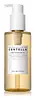 Key Ingredients
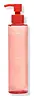
No key ingredients
Benefits
Concerns
No concerns
Ingredients Side-by-side
Ethylhexyl Stearate
Emollient


Cetyl Ethylhexanoate
EmollientSorbeth-30 Tetraoleate
Emulsifying
Caprylic/Capric Triglyceride
Masking


Citrus Aurantium Bergamia Fruit Oil
Masking


Centella Asiatica Extract
Cleansing




Simmondsia Chinensis Seed Oil
Emollient
Olea Europaea Fruit Oil
Masking
Helianthus Annuus Seed Oil
Emollient
Ethylhexylglycerin
Skin ConditioningPelargonium Graveolens Flower Oil
Masking

Rosa Damascena Flower Oil
Masking
Limonene
Perfuming

Linalool
Perfuming
Ethylhexyl Stearate, Cetyl Ethylhexanoate, Sorbeth-30 Tetraoleate, Caprylic/Capric Triglyceride, Citrus Aurantium Bergamia Fruit Oil, Centella Asiatica Extract, Simmondsia Chinensis Seed Oil, Olea Europaea Fruit Oil, Helianthus Annuus Seed Oil, Ethylhexylglycerin, Pelargonium Graveolens Flower Oil, Rosa Damascena Flower Oil, Limonene, Linalool
Cetyl Ethylhexanoate
EmollientPolyglyceryl-5 Dioleate
Emulsifying
Glycerin
Humectant
Hydrogenated Polydecene
EmollientSorbitol
Humectant
Water
Skin ConditioningPentaerythrityl Tetraisostearate
Emollient
Polyglyceryl-5 Oleate
Emulsifying
Polyglyceryl-6 Caprylate
EmulsifyingHelianthus Annuus Seed Oil
Emollient
Vitis Vinifera Seed Oil
Emollient
Camellia Sinensis Seed Oil
Humectant
Zingiber Officinale Root Extract
Masking
Ananas Sativus Fruit Extract
Skin ConditioningCentella Asiatica Extract
Cleansing
Lactobacillus/Papaya Fruit Ferment Extract
Abrasive
Calendula Officinalis Flower Extract
Masking
Glycyrrhiza Glabra Root Extract
Bleaching

Caprylyl Glycol
Emollient
Citrus Junos Fruit Extract
Skin ConditioningChamomilla Recutita Flower Extract
Masking
Caprylhydroxamic Acid
Butylene Glycol
Humectant
1,2-Hexanediol
Skin Conditioning
Ethylhexylglycerin
Skin ConditioningCetyl Ethylhexanoate, Polyglyceryl-5 Dioleate, Glycerin, Hydrogenated Polydecene, Sorbitol, Water, Pentaerythrityl Tetraisostearate, Polyglyceryl-5 Oleate, Polyglyceryl-6 Caprylate, Helianthus Annuus Seed Oil, Vitis Vinifera Seed Oil, Camellia Sinensis Seed Oil, Zingiber Officinale Root Extract, Ananas Sativus Fruit Extract, Centella Asiatica Extract, Lactobacillus/Papaya Fruit Ferment Extract, Calendula Officinalis Flower Extract, Glycyrrhiza Glabra Root Extract, Caprylyl Glycol, Citrus Junos Fruit Extract, Chamomilla Recutita Flower Extract, Caprylhydroxamic Acid, Butylene Glycol, 1,2-Hexanediol, Ethylhexylglycerin
Reviews
Ingredients Explained
These ingredients are found in both products.
Ingredients higher up in an ingredient list are typically present in a larger amount.
Centella Asiatica Extract (Centella) is derived from an herb native to Southeast Asia. It is famous for its anti-inflammatory and soothing properties.
Centella is rich in antioxidants and amino acids, such as Madecassic Acid and Asiaticoside.
Studies show the compounds in centella help with:
The combination of all these properties makes centella effective at soothing, hydrating, and protecting the skin.
Other great components of centella include Vitamin A, vitamin C, several B vitamins, and Asiatic Acid.
Fun fact: Centella has been used as a medicine and in food for many centuries. As a medicine, it is used to treat burns, scratches, and wounds.
Learn more about Centella Asiatica ExtractCetyl Ethylhexanoate is an emollient ester. It comes from cetearyl alcohol and 2-ethylhexanoic acid.
Cetyl Ethylhexanoate is an emollient that adds a velvety feel to skin without being greasy or oily. Emollients help trap moisture into your skin, keeping your skin soft and hydrated.
Ethylhexylglycerin is created from glycerin. It is a multitasker ingredient that:
The CIR Expert Panel found minimal skin absorption or sensitization of any kind in a safety assessment. Though this ingredient is considered well-tolerated, a small number of cases of allergic dermatitis have been published since 2002. Just be sure to patch test if you are unsure.
Industry-reported use ranges from 8% in rinse-off products and 2% in leave-on formulations.
Learn more about EthylhexylglycerinHelianthus Annuus Seed Oil is a plant oil derived from the seeds of a sunflower.
It is rich in fatty acids, primarily linoleic acid and oleic acid. This gives it emollient and skin conditioning properties.
The reason this ingredient is so effective is because it forms a thin film on the skin that reduces transepidermal water loss (TEWL) while supplying linoleic acid to the stratum corneum to improve barrier strength.
The high linoleic acid content is particularly noteworthy for acne-prone skin.
Research suggests that acne-prone skin tends to be deficient in linoleic acid in sebum. Topical application may help replenish this to support a healthier follicular environment and less comedone-promoting sebum.
One randomized study found sunflower seed oil preserved skin barrier integrity in adult volunteers with and without atopic dermatitis (outperforming olive oil).
This ingredient is well-studied, gentle, and an effective emollient suitable for most skin types.
On fungal acne: This ingredient may not be Fungal acne (Malassezia folliculitis) safe. This is because it contains fatty acids with carbon chain lengths in the C11-C24 range.
Learn more about Helianthus Annuus Seed Oil
