

What's inside
What's inside
 Key Ingredients
Benefits
Concerns
Ingredients Side-by-side
Water
Skin ConditioningRosa Centifolia Flower Water
Skin ConditioningGlycerin
Humectant



Hydrogenated Polyisobutene
EmollientButyrospermum Parkii Butter
Skin Conditioning


Dimethicone
Emollient
Pentylene Glycol
Skin ConditioningButylene Glycol
Humectant
Camelina Sativa Seed Oil
Skin Conditioning
Tocopheryl Acetate
Antioxidant

Biosaccharide Gum-1
Humectant
Physalis Alkekengi Calyx Extract
Skin ConditioningRhododendron Ferrugineum Extract
MaskingHibiscus Sabdariffa Flower Extract
Skin ConditioningTocopherol
Antioxidant
Rose Extract
Skin ConditioningPadina Pavonica Thallus Extract
Skin ConditioningMichelia Alba Leaf Oil
Masking
Pelargonium Graveolens Oil
Masking


Rosa Damascena Flower Oil
Masking
Caprylic/Capric Triglyceride
Masking
Simmondsia Chinensis Seed Oil
Emollient
Sodium Chloride
Masking

Dimethicone/PEG-10/15 Crosspolymer
Lauryl PEG-10 Tris(Trimethylsiloxy)Silylethyl Dimethicone
Emulsifying
Hydrogenated Soybean Oil
Emollient
Citric Acid
Buffering



Dipropylene Glycol
HumectantSodium Hydroxide
BufferingDisodium Phosphate
BufferingPhenoxyethanol
Preservative
Potassium Sorbate
Preservative
Sodium Benzoate
Masking
CI 77491
Cosmetic ColorantLinalool
Perfuming
Citronellol
Perfuming
Geraniol
Perfuming
Citral
Perfuming
Eugenol
Perfuming
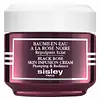
Water, Rosa Centifolia Flower Water, Glycerin, Hydrogenated Polyisobutene, Butyrospermum Parkii Butter, Dimethicone, Pentylene Glycol, Butylene Glycol, Camelina Sativa Seed Oil, Tocopheryl Acetate, Biosaccharide Gum-1, Physalis Alkekengi Calyx Extract, Rhododendron Ferrugineum Extract, Hibiscus Sabdariffa Flower Extract, Tocopherol, Rose Extract, Padina Pavonica Thallus Extract, Michelia Alba Leaf Oil, Pelargonium Graveolens Oil, Rosa Damascena Flower Oil, Caprylic/Capric Triglyceride, Simmondsia Chinensis Seed Oil, Sodium Chloride, Dimethicone/PEG-10/15 Crosspolymer, Lauryl PEG-10 Tris(Trimethylsiloxy)Silylethyl Dimethicone, Hydrogenated Soybean Oil, Citric Acid, Dipropylene Glycol, Sodium Hydroxide, Disodium Phosphate, Phenoxyethanol, Potassium Sorbate, Sodium Benzoate, CI 77491, Linalool, Citronellol, Geraniol, Citral, Eugenol
Water
Skin ConditioningButylene Glycol
Humectant
Dicaprylyl Carbonate
EmollientGlycerin
Humectant
Panax Ginseng Root Extract
Emollient

Citrus Grandis Peel Oil
Masking
Citrus Limon Peel Oil
Masking
Citrus Aurantium Dulcis Peel Oil
Masking
Mentha Viridis Leaf Oil
Astringent
Citral
Perfuming
Limonene
Perfuming
Linalool
Perfuming
Squalane
Emollient
Butyrospermum Parkii Butter
Skin Conditioning
Cucumis Sativus Fruit Extract
Emollient
Simmondsia Chinensis Butter
Skin Conditioning
Sodium Hyaluronate
Humectant
Helianthus Annuus Seed Extract
Skin Conditioning
Sodium PCA
Humectant
Caffeine
Skin Conditioning
Tocopheryl Acetate
Antioxidant
Linoleic Acid
Cleansing

Hordeum Vulgare Extract
EmollientCaprylyl Glycol
Emollient
Trehalose
Humectant
Carbomer
Emulsion StabilisingAmmonium Acryloyldimethyltaurate/Vp Copolymer
Sodium Hydroxide
BufferingHydroxyacetophenone
Antioxidant
Phenoxyethanol
Preservative
Mica
Cosmetic Colorant
CI 77891
Cosmetic ColorantCI 77491
Cosmetic ColorantCI 77492
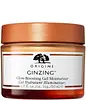
Cosmetic ColorantWater, Butylene Glycol, Dicaprylyl Carbonate, Glycerin, Panax Ginseng Root Extract, Citrus Grandis Peel Oil, Citrus Limon Peel Oil, Citrus Aurantium Dulcis Peel Oil, Mentha Viridis Leaf Oil, Citral, Limonene, Linalool, Squalane, Butyrospermum Parkii Butter, Cucumis Sativus Fruit Extract, Simmondsia Chinensis Butter, Sodium Hyaluronate, Helianthus Annuus Seed Extract, Sodium PCA, Caffeine, Tocopheryl Acetate, Linoleic Acid, Hordeum Vulgare Extract, Caprylyl Glycol, Trehalose, Carbomer, Ammonium Acryloyldimethyltaurate/Vp Copolymer, Sodium Hydroxide, Hydroxyacetophenone, Phenoxyethanol, Mica, CI 77891, CI 77491, CI 77492
Reviews
Ingredients Explained
These ingredients are found in both products.
Ingredients higher up in an ingredient list are typically present in a larger amount.
Butylene Glycol (or BG) is used within cosmetic products for a few different reasons:
Overall, Butylene Glycol is a safe and well-rounded ingredient that works well with other ingredients.
Though this ingredient works well with most skin types, some people with sensitive skin may experience a reaction such as allergic rashes, closed comedones, or itchiness.
Learn more about Butylene GlycolThis ingredient is also known as shea butter. It is an effective skin hydrator and emollient.
Emollients help soothe and soften your skin. It does this by creating a protective film on your skin. This barrier helps trap moisture and keeps your skin hydrated. Emollients may be effective at treating dry or itchy skin.
Shea butter is rich in antioxidants. Antioxidants help fight free-radicals, or molecules that may harm the body. It is also full of fatty acids including stearic acid and linoleic acid. These acids help replenish the skin and keep skin moisturized.
While Shea Butter has an SPF rating of about 3-4, it is not a sunscreen replacement.
Shea butter may not be fungal acne safe. We recommend speaking with a professional if you have any concerns.
Learn more about Butyrospermum Parkii ButterCi 77491 is also hydrated iron III oxide. It's sole purpose is to give a red/pink hue to products.
Iron III oxides are classified as inorganic chemicals for coloring.
Synthetically created Ci 77491 is considered safer than those naturally found. This is because the synthetically created version may contain less impurities. Iron oxides are generally non-toxic and non-allergenic.
Learn more about CI 77491Citral is a fragrance and used to add a lemon-like scent to products. It is both naturally found in plants and created synthetically. In plants, it is commonly occurring in lemon myrtle, lemongrass, lemon tea-tree, lemon verbena, and other citruses.
The EU mandates Citral be listed separately as a fragrance. It is a known allergen and may cause contact dermatitis. Citral can also used as a masking ingredient.
The term 'fragrance' is not regulated in many countries. In many cases, it is up to the brand to define this term. For instance, many brands choose to label themselves as "fragrance-free" because they are not using synthetic fragrances. However, their products may still contain ingredients such as essential oils that are considered a fragrance.
The term 'citral' is a collective term for two geometric isomers: geranial/Citral A and neral/Citral B.
Learn more about CitralGlycerin is already naturally found in your skin. It helps moisturize and protect your skin.
A study from 2016 found glycerin to be more effective as a humectant than AHAs and hyaluronic acid.
As a humectant, it helps the skin stay hydrated by pulling moisture to your skin. The low molecular weight of glycerin allows it to pull moisture into the deeper layers of your skin.
Hydrated skin improves your skin barrier; Your skin barrier helps protect against irritants and bacteria.
Glycerin has also been found to have antimicrobial and antiviral properties. Due to these properties, glycerin is often used in wound and burn treatments.
In cosmetics, glycerin is usually derived from plants such as soybean or palm. However, it can also be sourced from animals, such as tallow or animal fat.
This ingredient is organic, colorless, odorless, and non-toxic.
Glycerin is the name for this ingredient in American English. British English uses Glycerol/Glycerine.
Learn more about GlycerinLinalool is a fragrance and helps add scent to products. It's derived from common plants such as cinnamon, mint, citrus, and lavender.
Like Limonene, this ingredient oxidizes when exposed to air. Oxidized linalool can cause allergies and skin sensitivity.
This ingredient has a scent that is floral, spicy tropical, and citrus-like.
Learn more about LinaloolPhenoxyethanol is a preservative that has germicide, antimicrobial, and aromatic properties. Studies show that phenoxyethanol can prevent microbial growth. By itself, it has a scent that is similar to that of a rose.
It's often used in formulations along with Caprylyl Glycol to preserve the shelf life of products.
Sodium Hydroxide is also known as lye or caustic soda. It is used to adjust the pH of products; many ingredients require a specific pH to be effective.
In small amounts, sodium hydroxide is considered safe to use. However, large amounts may cause chemical burns due to its high alkaline.
Your skin has a natural pH and acid mantle. This acid mantle helps prevent harmful bacteria from breaking through. The acid mantle also helps keep your skin hydrated.
"Alkaline" refers to a high pH level. A low pH level would be considered acidic.
Learn more about Sodium HydroxideTocopheryl Acetate is AKA Vitamin E. It is an antioxidant and protects your skin from free radicals. Free radicals damage the skin by breaking down collagen.
One study found using Tocopheryl Acetate with Vitamin C decreased the number of sunburned cells.
Tocopheryl Acetate is commonly found in both skincare and dietary supplements.
Learn more about Tocopheryl AcetateWater. It's the most common cosmetic ingredient of all. You'll usually see it at the top of ingredient lists, meaning that it makes up the largest part of the product.
So why is it so popular? Water most often acts as a solvent - this means that it helps dissolve other ingredients into the formulation.
You'll also recognize water as that liquid we all need to stay alive. If you see this, drink a glass of water. Stay hydrated!
Learn more about Water
