This moisturizer is formulated around Zinc Oxide to control oil.

What's inside
What's inside
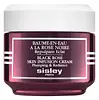 Key Ingredients
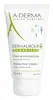
No key ingredients
Benefits
Concerns
Ingredients Side-by-side
Water
Skin ConditioningRosa Centifolia Flower Water
Skin ConditioningGlycerin
Humectant


Hydrogenated Polyisobutene
EmollientButyrospermum Parkii Butter
Skin Conditioning




Dimethicone
Emollient
Pentylene Glycol
Skin Conditioning
Butylene Glycol
Humectant
Camelina Sativa Seed Oil
Skin Conditioning
Tocopheryl Acetate
Antioxidant


Biosaccharide Gum-1
Humectant
Physalis Alkekengi Calyx Extract
Skin ConditioningRhododendron Ferrugineum Extract
MaskingHibiscus Sabdariffa Flower Extract
Skin ConditioningTocopherol
Antioxidant


Rose Extract
Skin ConditioningPadina Pavonica Thallus Extract
Skin ConditioningMichelia Alba Leaf Oil
Masking
Pelargonium Graveolens Oil
Masking



Rosa Damascena Flower Oil
Masking
Caprylic/Capric Triglyceride
Masking
Simmondsia Chinensis Seed Oil
Emollient
Sodium Chloride
MaskingDimethicone/PEG-10/15 Crosspolymer
Lauryl PEG-10 Tris(Trimethylsiloxy)Silylethyl Dimethicone
Emulsifying
Hydrogenated Soybean Oil
Emollient
Citric Acid
Buffering
Dipropylene Glycol
HumectantSodium Hydroxide
BufferingDisodium Phosphate
BufferingPhenoxyethanol
Preservative
Potassium Sorbate
Preservative
Sodium Benzoate
Masking
CI 77491
Cosmetic ColorantLinalool
Perfuming
Citronellol
Perfuming
Geraniol
Perfuming
Citral
Perfuming
Eugenol
Perfuming
Water, Rosa Centifolia Flower Water, Glycerin, Hydrogenated Polyisobutene, Butyrospermum Parkii Butter, Dimethicone, Pentylene Glycol, Butylene Glycol, Camelina Sativa Seed Oil, Tocopheryl Acetate, Biosaccharide Gum-1, Physalis Alkekengi Calyx Extract, Rhododendron Ferrugineum Extract, Hibiscus Sabdariffa Flower Extract, Tocopherol, Rose Extract, Padina Pavonica Thallus Extract, Michelia Alba Leaf Oil, Pelargonium Graveolens Oil, Rosa Damascena Flower Oil, Caprylic/Capric Triglyceride, Simmondsia Chinensis Seed Oil, Sodium Chloride, Dimethicone/PEG-10/15 Crosspolymer, Lauryl PEG-10 Tris(Trimethylsiloxy)Silylethyl Dimethicone, Hydrogenated Soybean Oil, Citric Acid, Dipropylene Glycol, Sodium Hydroxide, Disodium Phosphate, Phenoxyethanol, Potassium Sorbate, Sodium Benzoate, CI 77491, Linalool, Citronellol, Geraniol, Citral, Eugenol
Water
Skin ConditioningParaffinum Liquidum
Emollient
Caprylic/Capric Triglyceride
Masking
Glycerin
Humectant
Butylene Glycol
Humectant
Hydrogenated Vegetable Oil
Emollient
PEG-30 Dipolyhydroxystearate
Emulsifying
Isododecane
EmollientZea Mays Starch
Absorbent
Zinc Oxide
Cosmetic Colorant

PEG-22/Dodecyl Glycol Copolymer
EmulsifyingCera Alba
Emollient
Avena Sativa Leaf/Stem Extract
Skin ConditioningCetyl Alcohol
Emollient
Citric Acid
Buffering
Copper Sulfate
Skin ConditioningGlyceryl Stearate
Emollient
Magnesium Sulfate
O-Cymen-5-Ol
Antimicrobial
Sodium Hydroxide
BufferingXanthan Gum
EmulsifyingZinc Sulfate
Antimicrobial
Water, Paraffinum Liquidum, Caprylic/Capric Triglyceride, Glycerin, Butylene Glycol, Hydrogenated Vegetable Oil, PEG-30 Dipolyhydroxystearate, Isododecane, Zea Mays Starch, Zinc Oxide, PEG-22/Dodecyl Glycol Copolymer, Cera Alba, Avena Sativa Leaf/Stem Extract, Cetyl Alcohol, Citric Acid, Copper Sulfate, Glyceryl Stearate, Magnesium Sulfate, O-Cymen-5-Ol, Sodium Hydroxide, Xanthan Gum, Zinc Sulfate
Reviews
Ingredients Explained
These ingredients are found in both products.
Ingredients higher up in an ingredient list are typically present in a larger amount.
Butylene Glycol (or BG) is used within cosmetic products for a few different reasons:
Overall, Butylene Glycol is a safe and well-rounded ingredient that works well with other ingredients.
Though this ingredient works well with most skin types, some people with sensitive skin may experience a reaction such as allergic rashes, closed comedones, or itchiness.
Learn more about Butylene GlycolCaprylic/Capric Triglyceride (aka MCT Oil) is a lightweight emollient, solvent, and texture enhancer. It is considered a skin-softener by helping to prevent moisture loss.
Though it behaves like an oil, it is not technically one due to its chemical composition. One perk of this ingredient is that it is very stable, resistant to oxidation, and unlikely to go rancid.
In practice, that translates to a long shelf life and a consistently elegant skin feel.
While there is an assumption Caprylic Triglyceride can clog pores due to it being derived from coconut oil, there is no research supporting this. Just patch test if you have concerns.
Fractionated coconut oil and MCT Oil are both listed as Caprylic/Capric Triglyceride according to INCI. This is because INCI names are based on the ingredient’s final chemical composition and not its marketing name or source.
This ingredient is treated as the gold standard fungal acne safe oil. Even though it is coconut derived, the problematic lauric acid is stripped out.
This leaves just caprylic (C8) and capric (C10) acid. These chain lengths actually trend antifungal; a 2020 study found caprylic acid was enough to disrupt Malassezia furfur cell membrane, with a caprylic acid derivative damaging membrane structures at concentrations as low as 0.2%.
Learn more about Caprylic/Capric TriglycerideCitric Acid is an alpha hydroxy acid (AHA) naturally found in citrus fruits like oranges, lemons, and limes.
Like other AHAs, citric acid can exfoliate skin by breaking down the bonds that hold dead skin cells together. This helps reveal smoother and brighter skin underneath.
However, this exfoliating effect only happens at high concentrations (20%) which can be hard to find in cosmetic products.
Due to this, citric acid is usually included in small amounts as a pH adjuster. This helps keep products slightly more acidic and compatible with skin's natural pH.
In skincare formulas, citric acid can:
While it can provide some skin benefits, research shows lactic acid and glycolic acid are generally more effective and less irritating exfoliants.
Most citric acid used in skincare today is made by fermenting sugars (usually from molasses). This synthetic version is identical to the natural citrus form but easier to stabilize and use in formulations.
Rosacea skin has a lower threshold for acids generally, with 62.5% of rosacea subjects in one study reacting to lactic acid in a sting test. This is why we mark citric acid as a potential rosacea trigger.
However, this ingredient shows up as a pH adjuster or chelator at roughly 0.1-1% in many products. These low levels are unlikely to be an issue for rosacea skin and becomes a potential trigger at exfoliating concentrations (20%). Because everybody's skin is unique, we recommend a patch test if you are unsure.
Learn more about Citric AcidGlycerin (or glycerol) is a compound naturally found in your skin. It's a powerhouse humectant that pulls water into the stratum corneum.
Topically, glycerin does several things at once:
Your skin makes glycerin on its own (mostly from sebaceous oil breakdown) and shuttles it to your outermost layer of skin, or your epidermis, via aquaporin-3.
Aquaporin-3 is a transporter that is essential for normal skin hydration, elasticity, and repair. Interestingly, mice lacking in AQP3 have dry and less elastic skin that can be fully corrected with glycerin.
This ingredient is non-irritating, plays well with almost every ingredient, and works across all skin types. Typical use is anywhere between 3-10% but can go up to 79% in some leave-on products.
Just know very high concentrations (>40%) can feel tacky in low humidity.
Glycerin is the name for this ingredient in American English. British English uses Glycerol/Glycerine.
Learn more about GlycerinSodium Hydroxide is also known as lye or caustic soda. It is used to adjust the pH of products; many ingredients require a specific pH to be effective.
In small amounts, sodium hydroxide is considered safe to use. However, large amounts may cause chemical burns due to its high alkaline.
Your skin has a natural pH and acid mantle. This acid mantle helps prevent harmful bacteria from breaking through. The acid mantle also helps keep your skin hydrated.
"Alkaline" refers to a high pH level. A low pH level would be considered acidic.
Learn more about Sodium HydroxideWater. It's the most common cosmetic ingredient of all. You'll usually see it at the top of ingredient lists, meaning that it makes up the largest part of the product.
So why is it so popular? Water most often acts as a solvent - this means that it helps dissolve other ingredients into the formulation.
You'll also recognize water as that liquid we all need to stay alive. If you see this, drink a glass of water. Remember to stay hydrated!
Learn more about Water

