

What's inside
What's inside
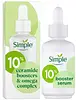 Key Ingredients
Benefits
Concerns
Ingredients Side-by-side
Water
Skin ConditioningCannabis Sativa Seed Oil
Emollient

Caprylic/Capric Triglyceride
Masking


Glycerin
Humectant
Propanediol
Solvent
Niacinamide
Smoothing









Coco-Caprylate
Emollient
Polyglyceryl-6 Distearate
Emulsifying
Tapioca Starch
Dicaprylyl Ether
Emollient
Caprylyl Glycol
Emollient
Sclerotium Gum
Emulsion StabilisingHelianthus Annuus Seed Oil
Emollient
Phenoxyethanol
Preservative
Citric Acid
Buffering

Polyglyceryl-10 Stearate
Skin Conditioning
Sodium Hydroxide
BufferingPentaerythrityl Tetra-Di-T-Butyl Hydroxyhydrocinnamate
Antioxidant
Dilauryl Thiodipropionate
Antioxidant
Tocopherol
Antioxidant
Water, Cannabis Sativa Seed Oil, Caprylic/Capric Triglyceride, Glycerin, Propanediol, Niacinamide, Coco-Caprylate, Polyglyceryl-6 Distearate, Tapioca Starch, Dicaprylyl Ether, Caprylyl Glycol, Sclerotium Gum, Helianthus Annuus Seed Oil, Phenoxyethanol, Citric Acid, Polyglyceryl-10 Stearate, Sodium Hydroxide, Pentaerythrityl Tetra-Di-T-Butyl Hydroxyhydrocinnamate, Dilauryl Thiodipropionate, Tocopherol
Aloe Barbadensis Leaf Juice
Skin Conditioning
Water
Skin ConditioningPropanediol
Solvent
Squalane
Emollient
Glycerin
Humectant
Sodium Citrate
BufferingGluconolactone
Skin Conditioning
Beta-Glucan
Skin Conditioning
Lysolecithin
EmulsifyingSclerotium Gum
Emulsion StabilisingPullulan
Xanthan Gum
EmulsifyingCeramide NP
Skin Conditioning
Ceramide Ns
Skin Conditioning
Ceramide AP
Skin Conditioning
Ceramide Eos
Skin Conditioning
Ceramide EOP
Skin Conditioning
Musa Sapientum Leaf/Trunk Extract
Tocopherol
Antioxidant
Calcium Gluconate
HumectantCetyl Alcohol
Emollient
Caprylyl Glycol
Emollient
Ceteareth-25
CleansingArginine
Masking
Silica
Abrasive
Caprooyl Phytosphingosine
Skin Conditioning
Caprooyl Sphingosine
Skin ConditioningCholesterol
Emollient
Lactic Acid
Buffering
Helianthus Annuus Seed Oil
Emollient
Sodium Benzoate
Masking
Ethylhexylglycerin
Skin Conditioning1,2-Hexanediol
Skin Conditioning
Behenic Acid
Cleansing
Aloe Barbadensis Leaf Juice, Water, Propanediol, Squalane, Glycerin, Sodium Citrate, Gluconolactone, Beta-Glucan, Lysolecithin, Sclerotium Gum, Pullulan, Xanthan Gum, Ceramide NP, Ceramide Ns, Ceramide AP, Ceramide Eos, Ceramide EOP, Musa Sapientum Leaf/Trunk Extract, Tocopherol, Calcium Gluconate, Cetyl Alcohol, Caprylyl Glycol, Ceteareth-25, Arginine, Silica, Caprooyl Phytosphingosine, Caprooyl Sphingosine, Cholesterol, Lactic Acid, Helianthus Annuus Seed Oil, Sodium Benzoate, Ethylhexylglycerin, 1,2-Hexanediol, Behenic Acid
Reviews
Ingredients Explained
These ingredients are found in both products.
Ingredients higher up in an ingredient list are typically present in a larger amount.
Caprylyl Glycol is a humectant, skin conditioner, emollient, and preservative booster derived from either caprylic acid or synthetically created.
Typical use levels vary from 0.3-1% as a preservative booster and go up to 2% to condition skin.
Because it is not a free-fatty acid or alcohol, this ingredient is fungal acne safe (there's nothing for Malassezia to feed on).
Learn more about Caprylyl GlycolGlycerin (or glycerol) is a compound naturally found in your skin. It's a powerhouse humectant that pulls water into the stratum corneum.
Topically, glycerin does several things at once:
Your skin makes glycerin on its own (mostly from sebaceous oil breakdown) and shuttles it to your outermost layer of skin, or your epidermis, via aquaporin-3.
Aquaporin-3 is a transporter that is essential for normal skin hydration, elasticity, and repair. Interestingly, mice lacking in AQP3 have dry and less elastic skin that can be fully corrected with glycerin.
This ingredient is non-irritating, plays well with almost every ingredient, and works across all skin types. Typical use is anywhere between 3-10% but can go up to 79% in some leave-on products.
Just know very high concentrations (>40%) can feel tacky in low humidity.
Glycerin is the name for this ingredient in American English. British English uses Glycerol/Glycerine.
Learn more about GlycerinHelianthus Annuus Seed Oil is a plant oil derived from the seeds of a sunflower.
It is rich in fatty acids, primarily linoleic acid and oleic acid. This gives it emollient and skin conditioning properties.
The reason this ingredient is so effective is because it forms a thin film on the skin that reduces transepidermal water loss (TEWL) while supplying linoleic acid to the stratum corneum to improve barrier strength.
The high linoleic acid content is particularly noteworthy for acne-prone skin.
Research suggests that acne-prone skin tends to be deficient in linoleic acid in sebum. Topical application may help replenish this to support a healthier follicular environment and less comedone-promoting sebum.
One randomized study found sunflower seed oil preserved skin barrier integrity in adult volunteers with and without atopic dermatitis (outperforming olive oil).
This ingredient is well-studied, gentle, and an effective emollient suitable for most skin types.
On fungal acne: This ingredient may not be Fungal acne (Malassezia folliculitis) safe. This is because it contains fatty acids with carbon chain lengths in the C11-C24 range.
Learn more about Helianthus Annuus Seed OilPropanediol is an all-star ingredient. It softens, hydrates, and smooths the skin.
It’s often used to:
Propanediol is not likely to cause sensitivity and considered safe to use. It is derived from corn or petroleum with a clear color and no scent.
Learn more about PropanediolSclerotium Gum is a polysaccharide gum made by the fungus, Sclerotium rolfssii. It is similar to xanthan gum.
In cosmetics, Sclerotium Gum is used to thicken the texture and to help stabilize other ingredients.
As an emulsifier, Sclerotium Gum helps prevent ingredients from separating, such as water and oil.
Learn more about Sclerotium GumTocopherol (also known as Vitamin E) is a common antioxidant used to help protect the skin from free-radicals and strengthen the skin barrier. It's also fat soluble - this means our skin is great at absorbing it.
Vitamin E also helps keep your natural skin lipids healthy. Your lipid skin barrier naturally consists of lipids, ceramides, and fatty acids. Vitamin E offers extra protection for your skin’s lipid barrier, keeping your skin healthy and nourished.
Another benefit is a bit of UV protection. Vitamin E helps reduce the damage caused by UVB rays. (It should not replace your sunscreen). Combining it with Vitamin C can decrease sunburned cells and hyperpigmentation after UV exposure.
You might have noticed Vitamin E + C often paired together. This is because it is great at stabilizing Vitamin C. Using the two together helps increase the effectiveness of both ingredients.
There are often claims that Vitamin E can reduce/prevent scarring, but these claims haven't been confirmed by scientific research.
Learn more about TocopherolWater. It's the most common cosmetic ingredient of all. You'll usually see it at the top of ingredient lists, meaning that it makes up the largest part of the product.
So why is it so popular? Water most often acts as a solvent - this means that it helps dissolve other ingredients into the formulation.
You'll also recognize water as that liquid we all need to stay alive. If you see this, drink a glass of water. Remember to stay hydrated!
Learn more about Water

