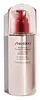
This hydrating toner is formulated around Sodium PCA and Dipotassium Glycyrrhizate to hydrate skin and strengthen the skin barrier.
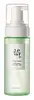
This smoothing toner is formulated around Glycolic Acid to refine skin texture and brighten dull-looking skin.


What's inside
What's inside
 Key Ingredients
Benefits
Concerns
Ingredients Side-by-side
Water
Skin ConditioningDipropylene Glycol
HumectantGlycerin
Humectant


Diglycerin
Humectant
Propanediol
Solvent
PEG/PPG-14/7 Dimethyl Ether
Skin ConditioningButylene Glycol
Humectant
Diphenylsiloxy Phenyl Trimethicone
Skin Conditioning
PEG-60 Hydrogenated Castor Oil
Emulsifying


Isostearyl Alcohol
Emollient
Phenoxyethanol
Preservative
Sodium PCA
Humectant
Polyglyceryl-2 Diisostearate
Emulsifying
PEG-20
HumectantErythritol
Humectant
Sodium Citrate
BufferingParfum
Masking



Alcohol
Antimicrobial

Dipotassium Glycyrrhizate
Humectant
Disodium EDTA
Sodium Polyacrylate
Absorbent
Citric Acid
Buffering

Hydrogenated Lecithin
Emulsifying
Linalool
Perfuming
Geraniol
Perfuming
Citronellol
Perfuming
Magnesium Chloride
Angelica Acutiloba Root Extract
Skin ConditioningOlea Europaea Leaf Extract
Perfuming
Calcium Chloride
AstringentSerine
Masking
Sodium Acetylated Hyaluronate
Humectant

Oryzanol
Skin ConditioningHamamelis Virginiana Leaf Extract
Skin Conditioning
Chaenomeles Sinensis Fruit Extract
Antioxidant
Zingiber Aromaticus Extract
Skin ConditioningRosa Roxburghii Fruit Extract
TonicPolyquaternium-51
Skin Conditioning
Bupleurum Falcatum Root Extract
Skin ConditioningWater, Dipropylene Glycol, Glycerin, Diglycerin, Propanediol, PEG/PPG-14/7 Dimethyl Ether, Butylene Glycol, Diphenylsiloxy Phenyl Trimethicone, PEG-60 Hydrogenated Castor Oil, Isostearyl Alcohol, Phenoxyethanol, Sodium PCA, Polyglyceryl-2 Diisostearate, PEG-20, Erythritol, Sodium Citrate, Parfum, Alcohol, Dipotassium Glycyrrhizate, Disodium EDTA, Sodium Polyacrylate, Citric Acid, Hydrogenated Lecithin, Linalool, Geraniol, Citronellol, Magnesium Chloride, Angelica Acutiloba Root Extract, Olea Europaea Leaf Extract, Calcium Chloride, Serine, Sodium Acetylated Hyaluronate, Oryzanol, Hamamelis Virginiana Leaf Extract, Chaenomeles Sinensis Fruit Extract, Zingiber Aromaticus Extract, Rosa Roxburghii Fruit Extract, Polyquaternium-51, Bupleurum Falcatum Root Extract
Water
Skin ConditioningPrunus Mume Fruit Water
HumectantGlycolic Acid
Buffering





Dipropylene Glycol
Humectant1,2-Hexanediol
Skin Conditioning
Pentylene Glycol
Skin Conditioning
Chlorella Vulgaris Extract
Skin ConditioningPortulaca Oleracea Extract
Skin Conditioning
Chondrus Crispus Extract
Skin Conditioning
Saccharum Officinarum Extract
MoisturisingOryza Sativa Bran Water
Masking
Honey Extract
Humectant
Panax Ginseng Root Extract
Emollient
Polygonum Cuspidatum Root Extract
Antioxidant
Glycerin
Humectant
Propanediol
Solvent
Tromethamine
BufferingSodium PCA
Humectant
Glucose
Humectant
C12-14 Pareth-12
EmulsifyingButylene Glycol
Humectant
Fructooligosaccharides
Humectant
Fructose
Humectant
Caprylyl Glycol
Emollient
Ethylhexylglycerin
Skin ConditioningSodium Phytate
Tocopherol
Antioxidant
Ethyl Hexanediol
SolventWater, Prunus Mume Fruit Water, Glycolic Acid, Dipropylene Glycol, 1,2-Hexanediol, Pentylene Glycol, Chlorella Vulgaris Extract, Portulaca Oleracea Extract, Chondrus Crispus Extract, Saccharum Officinarum Extract, Oryza Sativa Bran Water, Honey Extract, Panax Ginseng Root Extract, Polygonum Cuspidatum Root Extract, Glycerin, Propanediol, Tromethamine, Sodium PCA, Glucose, C12-14 Pareth-12, Butylene Glycol, Fructooligosaccharides, Fructose, Caprylyl Glycol, Ethylhexylglycerin, Sodium Phytate, Tocopherol, Ethyl Hexanediol
Reviews
Ingredients Explained
These ingredients are found in both products.
Ingredients higher up in an ingredient list are typically present in a larger amount.
Butylene Glycol (or BG) is used within cosmetic products for a few different reasons:
Overall, Butylene Glycol is a safe and well-rounded ingredient that works well with other ingredients.
Though this ingredient works well with most skin types, some people with sensitive skin may experience a reaction such as allergic rashes, closed comedones, or itchiness.
Learn more about Butylene GlycolDipropylene Glycol is a synthetically created humectant, stabilizer, and solvent.
This ingredient helps:
Dipropylene glycol is technically an alcohol, but it belongs to the glycol family (often considered part of the ‘good’ alcohols). This means it is hydrating and gentle on skin unlike drying solvent alcohols like denatured alcohol.
As a masking agent, Dipropylene Glycol can be used to cover the smell of other ingredients. However, it does not have a scent.
Studies show Dipropylene Glycol is considered safe to use in skincare.
Learn more about Dipropylene GlycolGlycerin (or glycerol) is a compound naturally found in your skin. It's a powerhouse humectant that pulls water into the stratum corneum.
Topically, glycerin does several things at once:
Your skin makes glycerin on its own (mostly from sebaceous oil breakdown) and shuttles it to your outermost layer of skin, or your epidermis, via aquaporin-3.
Aquaporin-3 is a transporter that is essential for normal skin hydration, elasticity, and repair. Interestingly, mice lacking in AQP3 have dry and less elastic skin that can be fully corrected with glycerin.
This ingredient is non-irritating, plays well with almost every ingredient, and works across all skin types. Typical use is anywhere between 3-10% but can go up to 79% in some leave-on products.
Just know very high concentrations (>40%) can feel tacky in low humidity.
Glycerin is the name for this ingredient in American English. British English uses Glycerol/Glycerine.
Learn more about GlycerinPropanediol is an all-star ingredient. It softens, hydrates, and smooths the skin.
It’s often used to:
Propanediol is not likely to cause sensitivity and considered safe to use. It is derived from corn or petroleum with a clear color and no scent.
Learn more about PropanediolSodium PCA (the salt of PCA) is one of the most well-established humectants in skincare.
Why is it so special? Your skin already makes it naturally; it's a natural component of your skin's Natural Moisturizing Factor (NMF), or the mix of water-binding compounds inside your skin cells that keeps things soft and hydrated.
As a cosmetic ingredient, it grabs water and holds it in the upper layers of skin to smooth roughness and ease dehydration.
There's some clinical support for the NMF approach with a study showing that a cream built to mimic the skin's NMF significantly boosted hydration.
Safety-wise, this ingredient non-irritating, non-comedogenic, and non-phototoxic in testing, with minimal skin absorption.
It also works really well with other hydrators like glycerin or hyaluronic acid, and typical usage is somewhere between 0.2-4%.
Learn more about Sodium PCAWater. It's the most common cosmetic ingredient of all. You'll usually see it at the top of ingredient lists, meaning that it makes up the largest part of the product.
So why is it so popular? Water most often acts as a solvent - this means that it helps dissolve other ingredients into the formulation.
You'll also recognize water as that liquid we all need to stay alive. If you see this, drink a glass of water. Remember to stay hydrated!
Learn more about Water

