Shiseido Benefiance Wrinkle Smoothing Eye Cream Versus Saborino Morning Care 3-in-1 Face Sheet Mask - Minty Fresh
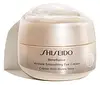
This anti-aging eye moisturizer is formulated around Squalane and Carnosine to soften the look of wrinkles and hydrate skin.
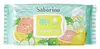
This brightening sheet mask is formulated around Ascorbyl Glucoside and Malic Acid to brighten dull-looking skin and hydrate skin.

What's inside
What's inside
 Key Ingredients
Benefits
Concerns
Ingredients Side-by-side
Water
Skin ConditioningHydrogenated Polydecene
EmollientGlycerin
Humectant


Paraffinum Liquidum
Emollient


Petrolatum
Emollient
Butylene Glycol
Humectant
Paraffin
Skin Conditioning
Polyglyceryl-2 Diisostearate
Emulsifying

Squalane
Emollient
Glyceryl Oleate
Emollient

Sodium PCA
Humectant
Glutamic Acid
Humectant
Dipropylene Glycol
HumectantCarnosine
Skin Conditioning
Beeswax
Emulsion Stabilising

Microcrystalline Wax
Emulsion StabilisingSodium Hydroxide
BufferingAlcohol
Antimicrobial

Polyethylene
Abrasive
Methylparaben
Preservative


Tocopheryl Acetate
Antioxidant


Ethylparaben
Preservative
Phytosteryl/Octyldodecyl Lauroyl Glutamate
Skin ConditioningParfum
Masking
Trisodium EDTA
Tocopherol
Antioxidant

Sodium Metabisulfite
Antioxidant
Caffeine
Skin Conditioning
CI 77492
Cosmetic ColorantPEG/PPG-14/7 Dimethyl Ether
Skin ConditioningPPG-3 Dipivalate
Skin ConditioningLinalool
Perfuming
Limonene
Perfuming
Sapindus Mukorossi Peel Extract
Skin ConditioningCitronellol
Perfuming
Uncaria Gambir Extract
AstringentGeraniol
Perfuming
Angelica Keiskei Leaf/Stem Extract
Skin ConditioningAlpha-Isomethyl Ionone
Perfuming
Sanguisorba Officinalis Root Extract
CleansingCrataegus Monogyna Flower Extract
Skin ConditioningCamellia Sinensis Leaf Extract
Antimicrobial

Sodium Acetylated Hyaluronate
Humectant
Hydroxyproline
Skin ConditioningCI 77491
Cosmetic ColorantCitrus Junos Seed Extract
Antioxidant
Cinnamomum Cassia Bark Extract
Masking
Ziziphus Jujuba Fruit Extract
Skin ConditioningChlorella Vulgaris Extract
Skin ConditioningEucheuma Serra/Grateloupia Sparsa/Saccharina Angustata/Ulva Linza/Undaria Pinnatifida Extract
EmollientCarbomer
Emulsion StabilisingSodium Lactate
Buffering
BHT
Antioxidant
Curcuma Longa Rhizome Extract
Skin ConditioningPolysorbate 20
Emulsifying
Saccharina Angustata/Undaria Pinnatifida Extract
EmollientPalmitoyl Tripeptide-1
Skin Conditioning

Palmitoyl Tetrapeptide-7
Skin Conditioning
Water, Hydrogenated Polydecene, Glycerin, Paraffinum Liquidum, Petrolatum, Butylene Glycol, Paraffin, Polyglyceryl-2 Diisostearate, Squalane, Glyceryl Oleate, Sodium PCA, Glutamic Acid, Dipropylene Glycol, Carnosine, Beeswax, Microcrystalline Wax, Sodium Hydroxide, Alcohol, Polyethylene, Methylparaben, Tocopheryl Acetate, Ethylparaben, Phytosteryl/Octyldodecyl Lauroyl Glutamate, Parfum, Trisodium EDTA, Tocopherol, Sodium Metabisulfite, Caffeine, CI 77492, PEG/PPG-14/7 Dimethyl Ether, PPG-3 Dipivalate, Linalool, Limonene, Sapindus Mukorossi Peel Extract, Citronellol, Uncaria Gambir Extract, Geraniol, Angelica Keiskei Leaf/Stem Extract, Alpha-Isomethyl Ionone, Sanguisorba Officinalis Root Extract, Crataegus Monogyna Flower Extract, Camellia Sinensis Leaf Extract, Sodium Acetylated Hyaluronate, Hydroxyproline, CI 77491, Citrus Junos Seed Extract, Cinnamomum Cassia Bark Extract, Ziziphus Jujuba Fruit Extract, Chlorella Vulgaris Extract, Eucheuma Serra/Grateloupia Sparsa/Saccharina Angustata/Ulva Linza/Undaria Pinnatifida Extract, Carbomer, Sodium Lactate, BHT, Curcuma Longa Rhizome Extract, Polysorbate 20, Saccharina Angustata/Undaria Pinnatifida Extract, Palmitoyl Tripeptide-1, Palmitoyl Tetrapeptide-7
Water
Skin ConditioningButylene Glycol
Humectant
Glycerin
Humectant
Alcohol
Antimicrobial
PPG-14 Polyglyceryl-2 Ether
EmulsifyingAscorbyl Glucoside
Antioxidant
Cucumis Sativus Fruit Extract
Emollient
Citrus Grandis
Citrus Grandis Peel Oil
Masking
Citrus Depressa Peel Extract
HumectantTremella Fuciformis Polysaccharide
Emulsion Stabilising
Mentha Piperita Leaf Extract
Skin ConditioningHoney
Humectant
Hamamelis Virginiana Water
Astringent
Sodium Hyaluronate
Humectant
Betaine
Humectant
Citrus Medica Limonum Peel Extract
EmollientThymus Serpyllum Extract
Skin ConditioningSoluble Collagen
Humectant
PEG-60 Hydrogenated Castor Oil
Emulsifying
Sodium Acetylated Hyaluronate
Humectant
Xanthan Gum
EmulsifyingCitric Acid
Buffering
Sodium Citrate
BufferingMenthol
Masking
Malic Acid
Buffering
Phenoxyethanol
Preservative
Ethylparaben
Preservative
Methylparaben
Preservative
Parfum
Masking
Water, Butylene Glycol, Glycerin, Alcohol, PPG-14 Polyglyceryl-2 Ether, Ascorbyl Glucoside, Cucumis Sativus Fruit Extract, Citrus Grandis, Citrus Grandis Peel Oil, Citrus Depressa Peel Extract, Tremella Fuciformis Polysaccharide, Mentha Piperita Leaf Extract, Honey, Hamamelis Virginiana Water, Sodium Hyaluronate, Betaine, Citrus Medica Limonum Peel Extract, Thymus Serpyllum Extract, Soluble Collagen, PEG-60 Hydrogenated Castor Oil, Sodium Acetylated Hyaluronate, Xanthan Gum, Citric Acid, Sodium Citrate, Menthol, Malic Acid, Phenoxyethanol, Ethylparaben, Methylparaben, Parfum
Reviews
Ingredients Explained
These ingredients are found in both products.
Ingredients higher up in an ingredient list are typically present in a larger amount.
This ingredient is also called ethanol or ethyl alcohol. It is denatured, meaning made undrinkable for cosmetic use.
In formulas, it:
Is it bad for your skin?
The answer comes down to concentration. Patch and wash studies have found highly concentrated alcohol-based hand rubs (60-100%) cause less barrier disruption than washing with a basic detergent like SLS. The only measurable effect in these studies was a temporary dip in skin hydration.
Concentrations below 12-15% in leave-on cosmetics is generally well-tolerated. Concentrations above start to see increased transepidermal water loss (TEWL) and reduced hydration.
In concentrations about 58%, it creates temporary channels in your skin's lipid layers to become more permeable and allow other ingredients to slip through easily.
This ingredient can be up to 80% of the formula in alcohol-based perfumes.
Overall, this ingredient is probably harmless if found lower down an ingredients list but worth side-eyeing if it's high up (especially if your barrier is already struggling).
Alcohol can worsen dry skin, eczema, and oily skin, especially at higher concentrations. This is because it can increase transepidermal water loss and decrease hydration to disrupt the skin barrier.
According to the National Rosacea Society based in the US, you should be mindful of products with these alcohols in the top half of ingredients.
True allergic contact dermatitis to ethanol is uncommon, but be sure to patch test if you have dry or sensitive skin.
Learn more about AlcoholButylene Glycol (or BG) is used within cosmetic products for a few different reasons:
Overall, Butylene Glycol is a safe and well-rounded ingredient that works well with other ingredients.
Though this ingredient works well with most skin types, some people with sensitive skin may experience a reaction such as allergic rashes, closed comedones, or itchiness.
Learn more about Butylene GlycolEthylparaben is a preservative, is a paraben, and is not reef safe.
Glycerin (or glycerol) is a compound naturally found in your skin. It's a powerhouse humectant that pulls water into the stratum corneum.
Topically, glycerin does several things at once:
Your skin makes glycerin on its own (mostly from sebaceous oil breakdown) and shuttles it to your outermost layer of skin, or your epidermis, via aquaporin-3.
Aquaporin-3 is a transporter that is essential for normal skin hydration, elasticity, and repair. Interestingly, mice lacking in AQP3 have dry and less elastic skin that can be fully corrected with glycerin.
This ingredient is non-irritating, plays well with almost every ingredient, and works across all skin types. Typical use is anywhere between 3-10% but can go up to 79% in some leave-on products.
Just know very high concentrations (>40%) can feel tacky in low humidity.
Glycerin is the name for this ingredient in American English. British English uses Glycerol/Glycerine.
Learn more about GlycerinMethylparaben is a synthetic preservative and one of the most widely used in the world. It has a simple, but important job: prevent your products from going bad by stopping bacteria, yeast, and mold from growing.
Typical use levels are low, often 0.1-0.3%.
This is also one of the most heavily studied preservatives out there and major regulatory bodies have repeatedly given it the green light.
In 2023, the EU's Scientific Committee on Consumer Safety (SCCS) confirmed that this ingredient is safe up to 0.4% on its own, of up to 0.8% when mixed with other paraben esters.
Here's the science behind the noise behind parabens/hormones as well:
Methylparaben shows very weak estrogen-like activity in vitro tests (more than 1,000x weaker than your body's own estradiol). In vivo (live-organism) studies don't support a meaningful endocrine-disrupting effect either.
You get a stronger estrogenic effect from eating tofu, actually.
It's also a low sensitizer and allergic reactions are uncommon; they usually happen on damage or broken skin.
There is a caveat: France has proposed to formally re-examine its endocrine classification in 2025 so the regulatory conversation isn't fully closed as of yet.
But as it stands today, this ingredient is considered safe at permitted levels.
Learn more about MethylparabenParfum is a catch-all term for an ingredient or more that is used to give a scent to products.
Also called "fragrance", this ingredient can be a blend of hundreds of chemicals or plant oils. This means every product with "fragrance" or "parfum" in the ingredients list is a different mixture.
For instance, Habanolide is a proprietary trade name for a specific aroma chemical. When used as a fragrance ingredient in cosmetics, most aroma chemicals fall under the broad labeling category of “FRAGRANCE” or “PARFUM” according to EU and US regulations.
The term 'parfum' or 'fragrance' is not regulated in many countries. In many cases, it is up to the brand to define this term.
For instance, many brands choose to label themselves as "fragrance-free" because they are not using synthetic fragrances. However, their products may still contain ingredients such as essential oils that are considered a fragrance by INCI standards.
One example is Calendula flower extract. Calendula is an essential oil that still imparts a scent or 'fragrance'.
Depending on the blend, the ingredients in the mixture can cause allergies and sensitivities on the skin. Some ingredients that are known EU allergens include linalool and citronellol.
Parfum can also be used to mask or cover an unpleasant scent.
The bottom line is: not all fragrances/parfum/ingredients are created equally. If you are worried about fragrances, we recommend taking a closer look at an ingredient. And of course, we always recommend speaking with a professional.
Learn more about ParfumSodium Acetylated Hyaluronate is a type of Hyaluronic Acid.
Hyaluronic Acids help moisturize, soothe, and protect the skin.
Read about common types of Hyaluronic Acid here:
Learn more about Sodium Acetylated HyaluronateWater. It's the most common cosmetic ingredient of all. You'll usually see it at the top of ingredient lists, meaning that it makes up the largest part of the product.
So why is it so popular? Water most often acts as a solvent - this means that it helps dissolve other ingredients into the formulation.
You'll also recognize water as that liquid we all need to stay alive. If you see this, drink a glass of water. Remember to stay hydrated!
Learn more about Water

