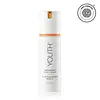
This brightening serum is formulated around Tetrahexyldecyl Ascorbate and Niacinamide to brighten dull-looking skin and fade the look of dark spots.
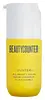
This brightening serum is formulated around Tetrahexyldecyl Ascorbate and Phytic Acid to brighten dull-looking skin and fade the look of dark spots.

What's inside
What's inside
 Key Ingredients
Benefits
Concerns
Ingredients Side-by-side
Water
Skin ConditioningPropanediol
Solvent

Tetrahexyldecyl Ascorbate
Antioxidant






Pentylene Glycol
Skin Conditioning
Glycerin
Humectant
Coconut Alkanes
Emollient


3-Glyceryl Ascorbate
Antioxidant
Niacinamide
Smoothing





Hydroxyethyl Acrylate/Sodium Acryloyldimethyl Taurate Copolymer
Emulsion StabilisingHippophae Rhamnoides Seed Oil
Skin Protecting


Diglycerin
Humectant
Citrus Sinensis Peel Oil Expressed
Perfuming


Melia Azadirachta Leaf Extract
Skin ConditioningMelia Azadirachta Flower Extract
Skin ConditioningCorallina Officinalis Extract
Skin Conditioning
Coccinia Indica Fruit Extract
Skin Conditioning
Solanum Melongena Fruit Extract
Skin ConditioningMangifera Indica Fruit Extract
Skin ConditioningCarica Papaya Fruit Extract
Skin ConditioningAnanas Sativus Fruit Extract
Skin ConditioningMoringa Oleifera Seed Oil
Emollient
Aloe Barbadensis Flower Extract
EmollientOcimum Sanctum Leaf Extract
Skin ConditioningOcimum Basilicum Flower/Leaf Extract
TonicCurcuma Longa Root Extract
Antioxidant
Simmondsia Chinensis Seed Oil
Emollient
Polyglyceryl-6 Polyricinoleate
Emulsifying
Hydroxyacetophenone
Antioxidant
Ascorbyl Glucoside
Antioxidant
Eclipta Prostrata Extract
Skin Conditioning
Coco-Caprylate/Caprate
Emollient
Tromethamine
BufferingTocopherol
Antioxidant
Sodium Hyaluronate
Humectant
Trisodium Ethylenediamine Disuccinate
ChelatingLactic Acid
Buffering
Citrus Aurantium Peel Oil

Limonene
Perfuming
Citral
Perfuming
Geraniol
Perfuming
Water, Propanediol, Tetrahexyldecyl Ascorbate, Pentylene Glycol, Glycerin, Coconut Alkanes, 3-Glyceryl Ascorbate, Niacinamide, Hydroxyethyl Acrylate/Sodium Acryloyldimethyl Taurate Copolymer, Hippophae Rhamnoides Seed Oil, Diglycerin, Citrus Sinensis Peel Oil Expressed, Melia Azadirachta Leaf Extract, Melia Azadirachta Flower Extract, Corallina Officinalis Extract, Coccinia Indica Fruit Extract, Solanum Melongena Fruit Extract, Mangifera Indica Fruit Extract, Carica Papaya Fruit Extract, Ananas Sativus Fruit Extract, Moringa Oleifera Seed Oil, Aloe Barbadensis Flower Extract, Ocimum Sanctum Leaf Extract, Ocimum Basilicum Flower/Leaf Extract, Curcuma Longa Root Extract, Simmondsia Chinensis Seed Oil, Polyglyceryl-6 Polyricinoleate, Hydroxyacetophenone, Ascorbyl Glucoside, Eclipta Prostrata Extract, Coco-Caprylate/Caprate, Tromethamine, Tocopherol, Sodium Hyaluronate, Trisodium Ethylenediamine Disuccinate, Lactic Acid, Citrus Aurantium Peel Oil, Limonene, Citral, Geraniol
Water
Skin ConditioningPropanediol
Solvent
Bis-Glyceryl Ascorbate
Antioxidant
Tetrahexyldecyl Ascorbate
Antioxidant
Pentylene Glycol
Skin Conditioning
Coconut Alkanes
Emollient
Glycerin
Humectant
Hydroxyethyl Acrylate/Sodium Acryloyldimethyl Taurate Copolymer
Emulsion StabilisingCurcuma Longa Root Extract
Antioxidant
Myrciaria Dubia Fruit Extract
Skin ConditioningCurcumin
Antioxidant
Sodium Hyaluronate
Humectant
Prunus Amygdalus Dulcis Oil
Skin Conditioning
Phytic Acid
Chelating
Citrus Aurantium Bergamia Fruit Oil
Masking
Coco-Caprylate/Caprate
Emollient
Polyglyceryl-6 Polyricinoleate
Emulsifying
Citrus Nobilis Peel Oil
Masking
Citrus Aurantium Dulcis Flower Oil
Astringent
Ethylhexylglycerin
Skin ConditioningPotassium Sorbate
Preservative
Phenoxyethanol
Preservative
Decanal
MaskingCitrus Aurantium Dulcis Peel Oil
Masking
Ionone
Astringent
Ethyl Lactate
Perfuming
Vanillin
Masking
Isoamyl Acetate
SolventEthyl 2-Methylbutyrate
Perfuming
Methoxyphenylbutanone
Perfuming
Oxacycloheptadec-10-En-2-One
Perfuming
Dimethylhydroxy Furanone
MaskingEthyl Propionate
Perfuming
Ethyl Cinnamate
Perfuming
Hexenyl Acetate
Masking
Triethyl Citrate
Masking
Benzyl Acetate
Masking
Ethyl Acetate
Perfuming
Citral
Perfuming
Limonene
Perfuming
Linalool
Perfuming
Water, Propanediol, Bis-Glyceryl Ascorbate, Tetrahexyldecyl Ascorbate, Pentylene Glycol, Coconut Alkanes, Glycerin, Hydroxyethyl Acrylate/Sodium Acryloyldimethyl Taurate Copolymer, Curcuma Longa Root Extract, Myrciaria Dubia Fruit Extract, Curcumin, Sodium Hyaluronate, Prunus Amygdalus Dulcis Oil, Phytic Acid, Citrus Aurantium Bergamia Fruit Oil, Coco-Caprylate/Caprate, Polyglyceryl-6 Polyricinoleate, Citrus Nobilis Peel Oil, Citrus Aurantium Dulcis Flower Oil, Ethylhexylglycerin, Potassium Sorbate, Phenoxyethanol, Decanal, Citrus Aurantium Dulcis Peel Oil, Ionone, Ethyl Lactate, Vanillin, Isoamyl Acetate, Ethyl 2-Methylbutyrate, Methoxyphenylbutanone, Oxacycloheptadec-10-En-2-One, Dimethylhydroxy Furanone, Ethyl Propionate, Ethyl Cinnamate, Hexenyl Acetate, Triethyl Citrate, Benzyl Acetate, Ethyl Acetate, Citral, Limonene, Linalool
Reviews
Ingredients Explained
These ingredients are found in both products.
Ingredients higher up in an ingredient list are typically present in a larger amount.
Citral is the molecule responsible for the fresh lemon scent in lemon, lime, and lemongrass. It is a fragrance ingredient that can be created from plant essential oils or synthetically.
Though Citral has documented antimicrobial activity against acne bacteria (which is where the marketing claims about it being good for acne-prone skin originate), real formulas use it at fragrance-level concentrations under 1% so there's likely no skin benefit.
You should know this ingredient is a known EU fragrance allergen.
Animal studies classifies this ingredient as a weak-to-moderate skin sensitizer and clinical patch testing on eczema patients confirmed it to be both a contact allergen and irritant.
The term 'citral' is a collective term for two geometric isomers: geranial/Citral A and neral/Citral B.
The term 'fragrance' is not regulated in many countries. In many cases, it is up to the brand to define this term. For instance, many brands choose to label themselves as "fragrance-free" because they are not using synthetic fragrances. However, their products may still contain ingredients such as essential oils that are considered a fragrance.
Learn more about CitralCoco-Caprylate/Caprate is a lightweight ester created from coconut oil fatty acids, caprylic acid, and capric acid.
It is an emollient that helps soften skin and reduce transepidermal water loss (TEWL). What sets it apart from heavier emollients is its ultralight, non-greasy feel.
Once applied, this ingredient dries down quickly and leaves a dry, silky finish behind. This also helps improve spreadability and texture.
This ingredient has an excellent safety-record and is non-irritating.
Typical concentrations for cosmetics range from 0.5-62%.
Research on Malassezia growth found no growth on fatty acid esters with chain lengths shorter than 12 carbons (it prefers C11-24).
Since Coco-Caprylate/Caprate is built on C8 and C10 fatty acids, it is out of the range that Malassezia metabolizes, and therefore safe for fungal acne.
Learn more about Coco-Caprylate/CaprateCoconut Alkanes is a lightweight, plant-derived emollient and solvent made from the fatty acids of coconut oil.
It spreads easily and adds a soft, silky, non-greasy slip, then evaporates rather than sinking into skin. Due to this behavior, it's prized as a natural and renewable replacement for silicones.
Typical use concentrations can go anywhere up to 20%.
The CIR Expert Panel has reviewed coconut oil and its hydrogenated derivatives and found them to be safe as used in cosmetics. It's a low-irritating and well-tolerated ingredient with no notable sensitization concerns.
Because it's a pure saturated hydrocarbon and not a free fatty acid or ester in the C11-24 range that Malassezia can feed on, it doesn't provide the lipids for Malassezia to feed on. This ingredient is generally regarded as safe for fungal acne.
Learn more about Coconut AlkanesCurcuma Longa Root Extract comes from the rhizome (underground stem) of the turmeric plant.
While the official EU Cosing Database lists this ingredient as a fragrance, it actually does more than give products a scent.
This ingredient contains a group of yellow pigments called curcuminoids (mostly curcumin) that give it genuine antioxidant and anti-inflammatory activity in skin.
Reviews of topical clinical studies have found turmeric/curcumin to be generally well-tolerated and useful across conditions like eczema and mild inflammation.
One thing working in its favor is that curcumin barely penetrates; in lab skin-permeation testing, the curcuminoids mostly stayed in the outermost layer of skin. This is a good thing because its soothing and antioxidant activity is a surface-level job anyway.
At this time, industry data shows there's no single "correct" cosmetic percentage. It's used across a wide range depending on the product and varies from tiny fractions of a percent up to a few percent.
Allergy-wise, curcumin is a documented (but uncommon) contact allergen. It can also cross react with related plants, so anyone with a turmeric/ginger/cinnamon allergy or reactive skin should patch test first.
Learn more about Curcuma Longa Root ExtractGlycerin (or glycerol) is a compound naturally found in your skin. It's a powerhouse humectant that pulls water into the stratum corneum.
Topically, glycerin does several things at once:
Your skin makes glycerin on its own (mostly from sebaceous oil breakdown) and shuttles it to your outermost layer of skin, or your epidermis, via aquaporin-3.
Aquaporin-3 is a transporter that is essential for normal skin hydration, elasticity, and repair. Interestingly, mice lacking in AQP3 have dry and less elastic skin that can be fully corrected with glycerin.
This ingredient is non-irritating, plays well with almost every ingredient, and works across all skin types. Typical use is anywhere between 3-10% but can go up to 79% in some leave-on products.
Just know very high concentrations (>40%) can feel tacky in low humidity.
Glycerin is the name for this ingredient in American English. British English uses Glycerol/Glycerine.
Learn more about GlycerinThis is a synthetic polymer. It helps improve the texture of products by adding thickness and gel-like feel.
It is also an emulsifer, meaning it prevents ingredients such as oil and water from separating. It also helps evenly disperse other ingredients.
Limonene is the compound that gives citrus peel its smell.
In skincare, it shows up as a standalone fragrance ingredient or as a natural compound of citrus and other essential oils.
You'll typically see this ingredient used in very small amounts; anything above 0.001% in a leave-on product or 0.01% in a rinse-off has to be named on the label in the EU. The citrus oils that carry it sit around 0.5-1% in a finished formula.
Fresh limonene is a weak allergen; the real issue is that it slowly reacts with air and then breaks down from oxidation to create hydroperoxides (which are strong sensitizers). This is why suppliers are required to keep the peroxide value below 20 mmol.
Positive reactions in people being investigated for eczema vary:
It's worth skipping if you have a known fragrance allergy or a compromised barrier, but the risk is low for most people.
Older or long-opened products are also more likely to bother you than fresh ones due to oxidation.
Learn more about LimonenePentylene Glycol (1,2-pentanediol) is a multitasking little diol with three main roles in a formula:
Research on alkanediols (the family pentylene glycol belongs to) show they work by disrupting microbial cell membranes. This disruption helps the primary preservative system in a product work more effectively at lower doses.
On the safety side, the Cosmetic Ingredient Review Expert Panel has concluded this ingredient to be safe as used in current cosmetic practices + concentrations.
Typical use levels in a formula run about 1-5%.
Learn more about Pentylene GlycolPolyglyceryl-6 Polyricinoleate isn't fungal acne safe.
Propanediol is an all-star ingredient. It softens, hydrates, and smooths the skin.
It’s often used to:
Propanediol is not likely to cause sensitivity and considered safe to use. It is derived from corn or petroleum with a clear color and no scent.
Learn more about PropanediolSodium Hyaluronate is the salt form of hyaluronic acid. It is a long sugar chain that is naturally found in your skin, joints, and connective tissue that maintains hydration and elasticity.
In skincare, it works as a humectant. It pulls water from the environment and deeper layers of skin and binds it to the surface.
Interestingly, the size of the molecule affects its behavior:
Some clinical evidence links low molecular weight versions to improved wrinkle depth, elasticity, anti-inflammatory effects, and barrier repair.
Many serums use a blend of both weights so you can get surface hydration plus longer-lasting and deeper effects.
You'll typically see concentrations between 0.1-2% for this ingredient.
Learn more about Sodium HyaluronateTetrahexyldecyl Ascorbate (THD) is a stable and oil-soluble form of Vitamin C.
THD is special in that it has the ability to travel deeper into skin than traditional ascorbic acid while maintaining the same skin benefits (double win!).
Because it’s oil-soluble, THD dives deep into your skin’s fatty layers (think ceramides and cholesterol) to fight off the kind of free radicals that mess with your skin barrier. This makes it a great pair with water-based vitamin C (ascorbic acid) that mainly works on the surface.
Even at just 0.1%, THD is already showing great antioxidant activity. When used up to 2%, it helps keep your skin happy and calm, especially when it’s stressed from pollution or sun.
Want to fade dark spots or tackle hyperpigmentation? You’ll want 5% or more. Pairing it with brightening buddies like niacinamide or licorice root gives even better results. One study even used 30% THD with other brighteners and saw real results on stubborn discoloration, even in melasma-prone skin.
A note on THD: It’s has a slightly silky, oily texture and usually shows up colorless or pale yellow (though the exact shade can vary by supplier).
While you can sneak it into water-based formulas, it really shines when paired with silicones or oils, which help your skin soak it up better.
THD is pretty stable, but it’s still vulnerable to degradation like ascorbic acid. Too much light or heat (above 113°F / 45°C) can break it down over time. Go for dark and opaque packaging that keeps it safe and shady!
Read more about other types of Vitamin C:
Learn more about Tetrahexyldecyl AscorbateWater. It's the most common cosmetic ingredient of all. You'll usually see it at the top of ingredient lists, meaning that it makes up the largest part of the product.
So why is it so popular? Water most often acts as a solvent - this means that it helps dissolve other ingredients into the formulation.
You'll also recognize water as that liquid we all need to stay alive. If you see this, drink a glass of water. Remember to stay hydrated!
Learn more about Water

