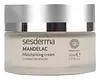
This smoothing moisturizer is formulated around Mandelic Acid and Glycolic Acid to refine skin texture and soften the look of wrinkles.
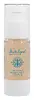
This calming moisturizer is formulated around Aloe Barbadensis Leaf Juice and Squalane to calm redness and hydrate skin.


What's inside
What's inside
 Key Ingredients
Benefits
Concerns
No concerns
Ingredients Side-by-side
Water
Skin ConditioningIsohexadecane
EmollientC12-15 Alkyl Benzoate
AntimicrobialLimnanthes Alba Seed Oil
Skin Conditioning



Glycerin
Humectant

Propylene Glycol
Humectant
Cetyl Alcohol
Emollient

Glyceryl Stearate
Emollient
PEG-100 Stearate
Surfactant
Saccharide Isomerate
Humectant
Ammonium Acryloyldimethyltaurate/Vp Copolymer
Tocopheryl Acetate
Antioxidant


Aloe Barbadensis Leaf Juice
Skin Conditioning
Sodium PCA
Humectant
Urea
Buffering

Mandelic Acid
Antimicrobial






Camellia Sinensis Leaf Extract
Antimicrobial
Glycolic Acid
Buffering
Caprooyl Tetrapeptide-3
Skin Protecting
Retinol
Skin Conditioning
Sodium Lactate
Buffering
Hydrolyzed Collagen
Emollient
Malus Domestica Fruit Cell Culture Extract
Skin ConditioningAllantoin
Skin Conditioning
Lecithin
Emollient
Alcohol
Antimicrobial

Dimethicone
Emollient
Xanthan Gum
EmulsifyingDipropylene Glycol
HumectantPolysorbate 20
Emulsifying
Dextran
Sodium Hydroxide
BufferingDisodium EDTA
ChelatingSodium Cholate
Skin ConditioningCitric Acid
Buffering
Tocopherol
Antioxidant
Achillea Millefolium Extract
CleansingChamomilla Recutita Extract
Skin Conditioning
Viscum Album Leaf Extract
SoothingMelissa Officinalis Leaf Oil
Masking

Humulus Lupulus Extract
AntimicrobialFoeniculum Vulgare Fruit Extract
EmollientAscorbyl Palmitate
Antioxidant
Glyceryl Oleate
Emollient
BHT
Antioxidant
BHA
Antioxidant
Phenoxyethanol
Preservative
Ethylparaben
Preservative

Methylparaben
Preservative
Potassium Sorbate
Preservative
Propylparaben
Preservative
Parfum
Masking
Coumarin
Perfuming
Citral
Perfuming
Eugenol
Perfuming
Limonene
Perfuming
Isoeugenol
Perfuming
Water, Isohexadecane, C12-15 Alkyl Benzoate, Limnanthes Alba Seed Oil, Glycerin, Propylene Glycol, Cetyl Alcohol, Glyceryl Stearate, PEG-100 Stearate, Saccharide Isomerate, Ammonium Acryloyldimethyltaurate/Vp Copolymer, Tocopheryl Acetate, Aloe Barbadensis Leaf Juice, Sodium PCA, Urea, Mandelic Acid, Camellia Sinensis Leaf Extract, Glycolic Acid, Caprooyl Tetrapeptide-3, Retinol, Sodium Lactate, Hydrolyzed Collagen, Malus Domestica Fruit Cell Culture Extract, Allantoin, Lecithin, Alcohol, Dimethicone, Xanthan Gum, Dipropylene Glycol, Polysorbate 20, Dextran, Sodium Hydroxide, Disodium EDTA, Sodium Cholate, Citric Acid, Tocopherol, Achillea Millefolium Extract, Chamomilla Recutita Extract, Viscum Album Leaf Extract, Melissa Officinalis Leaf Oil, Humulus Lupulus Extract, Foeniculum Vulgare Fruit Extract, Ascorbyl Palmitate, Glyceryl Oleate, BHT, BHA, Phenoxyethanol, Ethylparaben, Methylparaben, Potassium Sorbate, Propylparaben, Parfum, Coumarin, Citral, Eugenol, Limonene, Isoeugenol
Reviews
Ingredients Explained
These ingredients are found in both products.
Ingredients higher up in an ingredient list are typically present in a larger amount.
Aloe Barbadensis Leaf Juice is the filtered, stabilized liquid pressed from the inner gel of the aloe vera leaf.
In cosmetics, it shows up as either soothing active or a water-replacement base. It is roughly 98-99% water and the last 1-2% is an interesting mix of polysaccharides, amino acids, vitamins, minerals, and enzymes.
The polysaccharides do most of the work: they bind water at the skin surface for a light, non-greasy hydration boost. And one of the polysaccharides, glycomannan, is linked to fibroblast stimulation + collagen synthesis. This is also why aloe has such a long track record in wound and burn healing.
This ingredient is also calming with anti-inflammatory and mild antimicrobial activity, making it a great pick for sensitive, irritated, or post-sun skin.
Realistic expectations matter though; the solid evidence is mostly limited to hydration, soothing, and wound support. Deeper claims about anti-aging or sun protection are not well backed, and science reviews note it does not prevent radiation-induced skin injury.
Because it plays well with almost everything, it's commonly used as a base alongside other actives like niacinamide or vitamin C.
Typical usage concentrations range from 0.5% (where hydration benefits already show up) all the way to 90%+ (where it replaces water as the main base).
The safety for this ingredient is well-establish as well. Overall, this is a great supporting ingredient for those who want a boost in hydration.
Learn more about Aloe Barbadensis Leaf JuiceTocopherol is a fat-soluble antioxidant known as Vitamin E.
You'll find this ingredient in the vast majority of skincare (for good reason). It works to neutralize free radicals, or unstable molecules generated by UV exposure, pollution, and other environmental stressors, before they can cause oxidative damage to your skin cells.
Topically applied tocopherol has been shown to protect against UV damage by ramping up the skin's own natural defense enzymes.
It also acts as a skin conditioning agent; some studies show that regular topical use can improve the skin's water-binding capacity over 2-4 weeks.
This ingredient is especially loved for being a team player. When combined with Vitamin C, the photoprotective effect of both ingredients roughly doubles and the combo also helps reduce UV-induced DNA damage.
This ingredient has some brightening potential but it's more of a prevention ingredient than spot-fader. Cell studies show it can slow down melanin production but it's worth noting that it's not the most powerful brightener out there.
In formulations, it also serves as a stabilizer that helps protect other oxidation-prone ingredients from degrading.
Concentrations usually range from 0.1-1% in most leave-on products.
Learn more about Tocopherol


