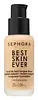
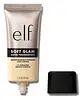
Sephora Collection Best Skin Ever Liquid Foundation Versus e.l.f. cosmetics Soft Glam Satin Foundation


What's inside
What's inside
 Key Ingredients
Benefits
Concerns
Ingredients Side-by-side
Water
Skin ConditioningDimethicone
Emollient

CI 77891
Cosmetic ColorantIsohexadecane
EmollientPEG-10 Dimethicone
Skin Conditioning
Propanediol
Solvent

Alcohol
Antimicrobial




CI 77492
Cosmetic ColorantDimethicone Crosspolymer
Emulsion Stabilising
Acrylates Copolymer
Glycerin
Humectant
Magnesium Sulfate
Synthetic Wax
Abrasive

CI 77491
Cosmetic ColorantHydroxyacetophenone
Antioxidant
Disodium Stearoyl Glutamate
CleansingDisteardimonium Hectorite
StabilisingCI 77499
Cosmetic ColorantCaprylyl Glycol
Emollient
Sodium Hyaluronate
Humectant


Propylene Carbonate
SolventAluminum Hydroxide
EmollientHydrolyzed Algin
Helianthus Annuus Seed Oil
Emollient

Phenethyl Alcohol
MaskingSodium Carrageenan
Emulsion StabilisingGlyceryl Stearate Citrate
Emollient
Tocopherol
Antioxidant


Ascorbyl Tetraisopalmitate
Antioxidant
Beta-Sitosterol
Emulsion Stabilising
Squalene
Emollient
Maris Sal
Skin ConditioningWater, Dimethicone, CI 77891, Isohexadecane, PEG-10 Dimethicone, Propanediol, Alcohol, CI 77492, Dimethicone Crosspolymer, Acrylates Copolymer, Glycerin, Magnesium Sulfate, Synthetic Wax, CI 77491, Hydroxyacetophenone, Disodium Stearoyl Glutamate, Disteardimonium Hectorite, CI 77499, Caprylyl Glycol, Sodium Hyaluronate, Propylene Carbonate, Aluminum Hydroxide, Hydrolyzed Algin, Helianthus Annuus Seed Oil, Phenethyl Alcohol, Sodium Carrageenan, Glyceryl Stearate Citrate, Tocopherol, Ascorbyl Tetraisopalmitate, Beta-Sitosterol, Squalene, Maris Sal
Water
Skin ConditioningIsododecane
EmollientGlycerin
Humectant
Coco-Caprylate/Caprate
Emollient
Dimethicone
Emollient
Propylene Glycol
Humectant
Cetyl PEG/PPG-10/1 Dimethicone
Emulsifying
C12-15 Alkyl Benzoate
AntimicrobialTridecyl Trimellitate
EmollientSorbitan Sesquioleate
Emulsifying
Silica
Abrasive

Boron Nitride
Absorbent
Dimethicone/Vinyl Dimethicone Crosspolymer
Skin Conditioning
Magnesium Stearate
Cosmetic ColorantMagnesium Sulfate
Phenoxyethanol
Preservative
Disteardimonium Hectorite
StabilisingPEG/PPG-15/15 Dimethicone
Emulsifying
Trimethylsiloxysilicate
Emollient
Diisostearyl Malate
EmollientSilica Dimethyl Silylate
EmollientAluminum Hydroxide
EmollientTriethoxycaprylylsilane
Caprylyl Glycol
Emollient
Ethylhexylglycerin
Skin ConditioningErythritol
Humectant
Hibiscus Esculentus Fruit Extract
Skin ConditioningButylene Glycol
Humectant
Lycium Chinense Fruit Extract
Antioxidant
Psidium Guajava Fruit Extract
AstringentVaccinium Angustifolium Fruit Extract
Skin Protecting
Hydroxyacetophenone
Antioxidant
CI 77891
Cosmetic ColorantCI 77492
Cosmetic ColorantCI 77491
Cosmetic ColorantCI 77499
Cosmetic ColorantWater, Isododecane, Glycerin, Coco-Caprylate/Caprate, Dimethicone, Propylene Glycol, Cetyl PEG/PPG-10/1 Dimethicone, C12-15 Alkyl Benzoate, Tridecyl Trimellitate, Sorbitan Sesquioleate, Silica, Boron Nitride, Dimethicone/Vinyl Dimethicone Crosspolymer, Magnesium Stearate, Magnesium Sulfate, Phenoxyethanol, Disteardimonium Hectorite, PEG/PPG-15/15 Dimethicone, Trimethylsiloxysilicate, Diisostearyl Malate, Silica Dimethyl Silylate, Aluminum Hydroxide, Triethoxycaprylylsilane, Caprylyl Glycol, Ethylhexylglycerin, Erythritol, Hibiscus Esculentus Fruit Extract, Butylene Glycol, Lycium Chinense Fruit Extract, Psidium Guajava Fruit Extract, Vaccinium Angustifolium Fruit Extract, Hydroxyacetophenone, CI 77891, CI 77492, CI 77491, CI 77499
Reviews
Ingredients Explained
These ingredients are found in both products.
Ingredients higher up in an ingredient list are typically present in a larger amount.
Aluminum Hydroxide is a form of aluminum. It can be naturally found in nature as the mineral gibbsite. In cosmetics, Aluminum Hydroxide is used as a colorant, pH adjuster, and absorbent.
As a colorant, Aluminum Hydroxide may add opacity, or reduce the transparency. Aluminum hydroxide is contains both basic and acidic properties.
According to manufacturers, this ingredient is an emollient and humectant. This means it helps hydrate the skin.
In medicine, this ingredient is used to help relieve heartburn and help heal ulcers.
There is currently no credible scientific evidence linking aluminum hydroxide in cosmetics to increased cancer risk.
Major health organizations allow the use of aluminum hydroxide in personal care products and have not flagged it as a carcinogenic risk at typical usage levels.
Learn more about Aluminum HydroxideCaprylyl Glycol is a humectant, skin conditioner, emollient, and preservative booster derived from either caprylic acid or synthetically created.
Typical use levels vary from 0.3-1% as a preservative booster and go up to 2% to condition skin.
Because it is not a free-fatty acid, this ingredient is fungal acne safe (there's nothing for Malassezia to feed on).
Learn more about Caprylyl GlycolCi 77491 is also hydrated iron III oxide. It's sole purpose is to give a red/pink hue to products.
Iron III oxides are classified as inorganic chemicals for coloring.
Synthetically created Ci 77491 is considered safer than those naturally found. This is because the synthetically created version may contain less impurities. Iron oxides are generally non-toxic and non-allergenic.
Learn more about CI 77491CI 77492 is also hydrated iron III oxide. It's sole purpose is to give a yellow hue to products.
Iron III oxides are classified as inorganic chemicals for coloring.
Synthetically created CI 77492 is considered safer than those naturally found. This is because the synthetically created version may contain less impurities. Iron oxides are generally non-toxic and non-allergenic.
Learn more about CI 77492Ci 77499 is also hydrated iron III oxide. It is created from mixing red and black iron oxides. This helps give shades of darkness to a product.
Iron III oxides are classified as inorganic chemicals for coloring.
Ci 77891 is a white pigment from Titanium dioxide. It is naturally found in minerals such as rutile and ilmenite.
It's main function is to add a white color to cosmetics. It can also be mixed with other colors to create different shades.
Ci 77891 is commonly found in sunscreens due to its ability to block UV rays.
Learn more about CI 77891Dimethicone is a type of synthetic silicone created from natural materials such as quartz. It is also known as polydimethylsiloxane.
What it does:
Dimethicone comes in different viscosities:
Depending on the viscosity, dimethicone has different properties.
Ingredients lists don't always show which type is used, so we recommend reaching out to the brand if you have questions about the viscosity.
This ingredient is unlikely to cause irritation because it does not get absorbed into skin. However, people with silicone allergies should be careful about using this ingredient.
Note: Dimethicone may contribute to pilling. This is because it is not oil or water soluble, so pilling may occur when layered with products. When mixed with heavy oils in a formula, the outcome is also quite greasy.
Learn more about DimethiconeDisteardimonium Hectorite comes from the clay mineral named hectorite. It is used to add thickness to a product.
It can also help stabilize a product by helping to disperse other ingredients.
Hectorite is a rare, white clay mineral.
Learn more about Disteardimonium HectoriteGlycerin (or glycerol) is a compound naturally found in your skin. It's a powerhouse humectant that pulls water into the stratum corneum.
Topically, glycerin does several things at once:
Your skin makes glycerin on its own (mostly from sebaceous oil breakdown) and shuttles it to your outermost layer of skin, or your epidermis, via aquaporin-3.
Aquaporin-3 is a transporter that is essential for normal skin hydration, elasticity, and repair. Interestingly, mice lacking in AQP3 have dry and less elastic skin that can be fully corrected with glycerin.
This ingredient is non-irritating, plays well with almost every ingredient, and works across all skin types. Typical use is anywhere between 3-10% but can go up to 79% in some leave-on products.
Just know very high concentrations (>40%) can feel tacky in low humidity.
Glycerin is the name for this ingredient in American English. British English uses Glycerol/Glycerine.
Learn more about GlycerinHydroxyacetophenone is a small phenolic molecule that earns its place in a formulas as an antioxidant and preservative booster.
As a phenol, it is able to neutralize free radicals to protect both the product and the skin from oxidative stress.
Though it can't kill microbes on its own, it works as a good supporting agent when combined with other preservatives like Phenoxyethanol or 1,2-Hexanediol.
This ingredient naturally occurs as piceol in Norwegian spruce needles (~0.4-1.1% dry weight and in cloudberries). Though the cosmetic-grade material is synthesized for purity and consistency.
You'll usually see it used at low levels and suppliers recommend up to 1% added to a water phase.
Safety testing was done at concentrations like 0.05% in SPF products and 0.5% in a Human Repeated Insult Patch Test. The safety evidence is assuring; this ingredient is safe for cosmetics in current use and also holds safety status as a food flavoring as well.
An honest caveat: the "soothing" and "anti-inflammatory" claims come mostly from supplier marketing rather than published clinical trials. The Cosmetic Ingredient Review's own literature search found no useful efficacy studies on this ingredient.
So the antioxidant and preservative-boosting roles are the well supported ones while the calming benefit is plausible but thinly evidenced.
Overall, this is a well-tolerated, low-irritation multitasker that quietly helps a formula stay fresh and stable.
Learn more about HydroxyacetophenoneMagnesium Sulfate is a salt. More specifically, it is an epsom salt, or the bath salt used to help relieve muscle aches.
Despite having ‘sulfate’ in the name, it isn’t a surfactant or cleansing agent like sodium lauryl sulfate. Unlike those sulfates, magnesium sulfate doesn’t have the same cleansing or foaming properties (it's simply a type of salt).
In cosmetics, Magnesium Sulfate is used to thicken a product or help dilute other solids. It is a non-reactive and non-irritating ingredient.
One study shows magnesium deficiency may lead to inflammation of the skin. Applying magnesium topically may help reduce inflammation.
You can find this ingredient in sea water or mineral deposits.
Learn more about Magnesium SulfateWater. It's the most common cosmetic ingredient of all. You'll usually see it at the top of ingredient lists, meaning that it makes up the largest part of the product.
So why is it so popular? Water most often acts as a solvent - this means that it helps dissolve other ingredients into the formulation.
You'll also recognize water as that liquid we all need to stay alive. If you see this, drink a glass of water. Remember to stay hydrated!
Learn more about Water

