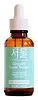
This calming serum is formulated around Panax Ginseng Root Extract and Centella Asiatica Leaf Extract to calm redness and hydrate skin.
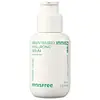
This hydrating serum is formulated around Niacinamide and Camellia Sinensis Seed Oil to hydrate skin and strengthen the skin barrier.


What's inside
What's inside
 Key Ingredients
Benefits
Concerns
Ingredients Side-by-side
Water
Skin ConditioningAloe Barbadensis Leaf Juice
Skin Conditioning


Hamamelis Virginiana Leaf Water
Astringent
Dimethyl Sulfone
SolventSimmondsia Chinensis Seed Oil
Emollient




Panax Ginseng Root Extract
Emollient
Centella Asiatica Leaf Extract
Skin Conditioning
Honey
Humectant
Melissa Officinalis Seed Oil
Skin Conditioning
Royal Jelly Extract
Skin Conditioning
Camellia Sinensis Leaf Extract
Antimicrobial



Propolis Extract
Skin Conditioning

Equisetum Arvense Leaf Extract
AstringentGeranium Maculatum Extract
TonicTaraxacum Officinale Root Extract
Skin ConditioningAcrylates/C10-30 Alkyl Acrylate Crosspolymer
Emulsion StabilisingPhenoxyethanol
Preservative
Ethylhexylglycerin
Skin ConditioningWater, Aloe Barbadensis Leaf Juice, Hamamelis Virginiana Leaf Water, Dimethyl Sulfone, Simmondsia Chinensis Seed Oil, Panax Ginseng Root Extract, Centella Asiatica Leaf Extract, Honey, Melissa Officinalis Seed Oil, Royal Jelly Extract, Camellia Sinensis Leaf Extract, Propolis Extract, Equisetum Arvense Leaf Extract, Geranium Maculatum Extract, Taraxacum Officinale Root Extract, Acrylates/C10-30 Alkyl Acrylate Crosspolymer, Phenoxyethanol, Ethylhexylglycerin
Water
Skin ConditioningPropanediol
Solvent
Glycerin
Humectant
1,2-Hexanediol
Skin Conditioning
Niacinamide
Smoothing


Betaine
Humectant
Saccharide Isomerate
Humectant
Camellia Sinensis Seed Oil
Humectant
Xylitol
Humectant
Cetearyl Olivate
Hydrogenated Lecithin
Emulsifying
Butylene Glycol
Humectant
Sorbitan Olivate
Emulsifying
Lactobacillus Ferment Lysate
Skin Conditioning
Acrylates/C10-30 Alkyl Acrylate Crosspolymer
Emulsion StabilisingSqualane
Emollient
Panthenol
Skin Conditioning
Allantoin
Skin Conditioning
Hydroxyethyl Acrylate/Sodium Acryloyldimethyl Taurate Copolymer
Emulsion StabilisingTromethamine
BufferingEthylhexylglycerin
Skin ConditioningCeratonia Siliqua Gum
EmollientSodium Metaphosphate
BufferingCamellia Sinensis Leaf Extract
Antimicrobial
Dipotassium Glycyrrhizate
Humectant
Sodium Hyaluronate
Humectant
Hyaluronic Acid
Humectant
Dextrin
AbsorbentTheobroma Cacao Extract
Skin Conditioning3-O-Ethyl Ascorbic Acid
Skin Conditioning
Sorbitan Isostearate
Emulsifying
Sodium Citrate
BufferingCitric Acid
Buffering
Glyceryl Oleate
Emollient

Tocopherol
Antioxidant
Lecithin
Emollient
Sucrose
Humectant
Lauryl Glucoside
CleansingPolyglyceryl-6 Laurate
Emulsifying
Myristyl Glucoside
CleansingXanthan Gum
EmulsifyingLactic Acid
Buffering
Hydrolyzed Hyaluronic Acid
Humectant
Sodium Hyaluronate Crosspolymer
Humectant
Sodium Acetylated Hyaluronate
Humectant
Water, Propanediol, Glycerin, 1,2-Hexanediol, Niacinamide, Betaine, Saccharide Isomerate, Camellia Sinensis Seed Oil, Xylitol, Cetearyl Olivate, Hydrogenated Lecithin, Butylene Glycol, Sorbitan Olivate, Lactobacillus Ferment Lysate, Acrylates/C10-30 Alkyl Acrylate Crosspolymer, Squalane, Panthenol, Allantoin, Hydroxyethyl Acrylate/Sodium Acryloyldimethyl Taurate Copolymer, Tromethamine, Ethylhexylglycerin, Ceratonia Siliqua Gum, Sodium Metaphosphate, Camellia Sinensis Leaf Extract, Dipotassium Glycyrrhizate, Sodium Hyaluronate, Hyaluronic Acid, Dextrin, Theobroma Cacao Extract, 3-O-Ethyl Ascorbic Acid, Sorbitan Isostearate, Sodium Citrate, Citric Acid, Glyceryl Oleate, Tocopherol, Lecithin, Sucrose, Lauryl Glucoside, Polyglyceryl-6 Laurate, Myristyl Glucoside, Xanthan Gum, Lactic Acid, Hydrolyzed Hyaluronic Acid, Sodium Hyaluronate Crosspolymer, Sodium Acetylated Hyaluronate
Reviews
Ingredients Explained
These ingredients are found in both products.
Ingredients higher up in an ingredient list are typically present in a larger amount.
Acrylates/C10-30 Alkyl Acrylate Crosspolymer is a synthetic polymer. It is used to thicken, emulsify, and improve the texture of products.
As an emulsifier, it helps stabilize oil-in-water emulsions to give products an elegant feel when applied.
It can also form a thin protective film on skin. One study found that a formula using this polymer helped slow down how quickly other ingredients (like DEET) were absorbed through skin.
A 2024 study of over 1,300 patients confirmed that sensitization to this ingredient is rare. It is also non-mutagenic and has a clean track record.
Learn more about Acrylates/C10-30 Alkyl Acrylate CrosspolymerCamellia Sinensis Leaf Extract (tea extract) is one of the most well-researched plant extracts in skincare with an impressive resume.
Black tea, green tea, and oolong tea are all harvested from the Camellia Sinensis plant.
Studies show green tea extract and its catechins (like epigallocatechin gallate (EGCG)) help your skin cells product energy more efficiently and reducing the number of free-radicals that can damage your skin from the inside.
In lab-grown skin models, this translated to younger, healthier, and stronger skin.
There's also good sun protection data; researchers saw less DNA damage and redness on human skin when green tea was applied before UVB exposure. And the more they applied, the better the protection.
Needless to say, this ingredient shouldn't replace your sunscreen. But it is a great supportive ingredient that you can already find in many sunscreens and antioxidant serums.
A 2009 study found a 2% green tea lotion was effective for mild-to-moderate acne thanks to its anti-inflammatory and mild antimicrobial activity.
The quality of the extract matters a lot here:
Good extracts contain 50-90% catechins while lower quality ones are mostly there for marketing. We recommend reaching out to the brand if you have questions about the quality or source of their ingredients.
Human Repeated Insult Patch Testing showed no irritation or sensitization at use concentrations (0.86% in leave-on products and up to 30% as leaf water).
Learn more about Camellia Sinensis Leaf ExtractEthylhexylglycerin is created from glycerin. It is a multitasker ingredient that:
The CIR Expert Panel found minimal skin absorption or sensitization of any kind in a safety assessment. Though this ingredient is considered well-tolerated, a small number of cases of allergic dermatitis have been published since 2002. Just be sure to patch test if you are unsure.
Industry-reported use ranges from 8% in rinse-off products and 2% in leave-on formulations.
Learn more about EthylhexylglycerinWater. It's the most common cosmetic ingredient of all. You'll usually see it at the top of ingredient lists, meaning that it makes up the largest part of the product.
So why is it so popular? Water most often acts as a solvent - this means that it helps dissolve other ingredients into the formulation.
You'll also recognize water as that liquid we all need to stay alive. If you see this, drink a glass of water. Remember to stay hydrated!
Learn more about Water

