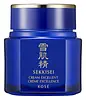
This brightening moisturizer is formulated around Squalane and Ascorbyl Glucoside to fade the look of dark spots and hydrate skin.
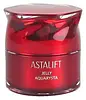
This hydrating treatment is formulated around Trisodium Ascorbyl Palmitate Phosphate and Ceramide NP to hydrate skin and strengthen the skin barrier.

What's inside
What's inside
 Key Ingredients
Benefits
Concerns
Ingredients Side-by-side
Water
Skin ConditioningButylene Glycol
Humectant

Limnanthes Alba Seed Oil
Skin Conditioning


Glycerin
Humectant
Squalane
Emollient
Alcohol
Antimicrobial



Cetearyl Alcohol
Emollient



Cholesteryl Hydroxystearate
EmollientAscorbyl Glucoside
Antioxidant


Behenyl Alcohol
Emollient
Cetyl Palmitate
Emollient
Angelica Acutiloba Root Extract
Skin ConditioningCnidium Officinale Root Extract
Skin ConditioningCoix Lacryma-Jobi Ma-Yuen Seed Extract
Skin ConditioningCordyceps Sinensis Extract
Antioxidant
Gynostemma Pentaphyllum Leaf Extract
Skin ConditioningPseudostellaria Heterophylla Extract

Panax Ginseng Root Extract
Emollient
Citric Acid
Buffering
Dimethicone
Emollient
Disodium Phosphate
BufferingHydrogenated Lecithin
Emulsifying
Menthol
Masking
Sodium Hydroxide
BufferingSodium Methyl Stearoyl Taurate
CleansingXanthan Gum
EmulsifyingEthylparaben
Preservative


Methylparaben
Preservative
Propylparaben
Preservative
Parfum
Masking

Water, Butylene Glycol, Limnanthes Alba Seed Oil, Glycerin, Squalane, Alcohol, Cetearyl Alcohol, Cholesteryl Hydroxystearate, Ascorbyl Glucoside, Behenyl Alcohol, Cetyl Palmitate, Angelica Acutiloba Root Extract, Cnidium Officinale Root Extract, Coix Lacryma-Jobi Ma-Yuen Seed Extract, Cordyceps Sinensis Extract, Gynostemma Pentaphyllum Leaf Extract, Pseudostellaria Heterophylla Extract, Panax Ginseng Root Extract, Citric Acid, Dimethicone, Disodium Phosphate, Hydrogenated Lecithin, Menthol, Sodium Hydroxide, Sodium Methyl Stearoyl Taurate, Xanthan Gum, Ethylparaben, Methylparaben, Propylparaben, Parfum
Water
Skin ConditioningGlycerin
Humectant
Betaine
Humectant
PEG-240/Hdi Copolymer Bis-Decyltetradeceth-20 Ether
StabilisingButylene Glycol
Humectant
Trisodium Ascorbyl Palmitate Phosphate
Antioxidant
Phenoxyethanol
Preservative
Ethylhexylglycerin
Skin ConditioningInulin Lauryl Carbamate
Emulsion StabilisingCeramide NP
Skin Conditioning
Ceramide AP
Skin Conditioning
Alcohol
Antimicrobial
Caprylic/Capric Triglyceride
Masking
Sodium Hydroxide
BufferingParfum
Masking
Polyglyceryl-10 Oleate
Skin Conditioning
Octyldodecyl Myristate
EmollientTocopherol
Antioxidant

Methylparaben
Preservative
Polyglyceryl-10 Myristate
Skin Conditioning
Acetyl Hydroxyproline
EmollientHaematococcus Pluvialis Oil
Antioxidant
Sucrose Stearate
EmollientLecithin
Emollient
Oleic Acid
Emollient
Sodium Phosphate
BufferingUncaria Gambir Extract
AstringentPolyglyceryl-2 Stearate
Emulsifying
Rosa Damascena Flower Oil
Masking
Ceramide EOP
Skin Conditioning
Cholesterol
Emollient
Solanum Lycopersicum Fruit Extract
Antioxidant
Hydrolyzed Collagen
Emollient
Disodium Phosphate
BufferingHydrolyzed Lupine Protein
Skin ConditioningSoluble Collagen
Humectant
Iodopropynyl Butylcarbamate
Preservative
Water, Glycerin, Betaine, PEG-240/Hdi Copolymer Bis-Decyltetradeceth-20 Ether, Butylene Glycol, Trisodium Ascorbyl Palmitate Phosphate, Phenoxyethanol, Ethylhexylglycerin, Inulin Lauryl Carbamate, Ceramide NP, Ceramide AP, Alcohol, Caprylic/Capric Triglyceride, Sodium Hydroxide, Parfum, Polyglyceryl-10 Oleate, Octyldodecyl Myristate, Tocopherol, Methylparaben, Polyglyceryl-10 Myristate, Acetyl Hydroxyproline, Haematococcus Pluvialis Oil, Sucrose Stearate, Lecithin, Oleic Acid, Sodium Phosphate, Uncaria Gambir Extract, Polyglyceryl-2 Stearate, Rosa Damascena Flower Oil, Ceramide EOP, Cholesterol, Solanum Lycopersicum Fruit Extract, Hydrolyzed Collagen, Disodium Phosphate, Hydrolyzed Lupine Protein, Soluble Collagen, Iodopropynyl Butylcarbamate
Reviews
Ingredients Explained
These ingredients are found in both products.
Ingredients higher up in an ingredient list are typically present in a larger amount.
This ingredient is also called ethanol or ethyl alcohol. It is denatured, meaning made undrinkable for cosmetic use.
In formulas, it:
Is it bad for your skin?
The answer comes down to concentration. Patch and wash studies have found highly concentrated alcohol-based hand rubs (60-100%) cause less barrier disruption than washing with a basic detergent like SLS. The only measurable effect in these studies was a temporary dip in skin hydration.
Concentrations below 12-15% in leave-on cosmetics is generally well-tolerated. Concentrations above start to see increased transepidermal water loss (TEWL) and reduced hydration.
In concentrations about 58%, it creates temporary channels in your skin's lipid layers to become more permeable and allow other ingredients to slip through easily.
This ingredient can be up to 80% of the formula in alcohol-based perfumes.
Overall, this ingredient is probably harmless if found lower down an ingredients list but worth side-eyeing if it's high up (especially if your barrier is already struggling).
Alcohol can worsen dry skin, eczema, and oily skin, especially at higher concentrations. This is because it can increase transepidermal water loss and decrease hydration to disrupt the skin barrier.
According to the National Rosacea Society based in the US, you should be mindful of products with these alcohols in the top half of ingredients.
True allergic contact dermatitis to ethanol is uncommon, but be sure to patch test if you have dry or sensitive skin.
Learn more about AlcoholButylene Glycol (or BG) is used within cosmetic products for a few different reasons:
Overall, Butylene Glycol is a safe and well-rounded ingredient that works well with other ingredients.
Though this ingredient works well with most skin types, some people with sensitive skin may experience a reaction such as allergic rashes, closed comedones, or itchiness.
Learn more about Butylene GlycolDisodium Phosphate is a water-soluble powder used as a pH adjuster and mild chelating agent. It basically holds a specific pH and binds stray metal ions so your product stays stable.
This ingredient is usually used at very low levels and concentrations range from 0.000054% - 2.9%. The CIR Expert Panel states this ingredient to be non-irritating at current use levels.
Glycerin (or glycerol) is a compound naturally found in your skin. It's a powerhouse humectant that pulls water into the stratum corneum.
Topically, glycerin does several things at once:
Your skin makes glycerin on its own (mostly from sebaceous oil breakdown) and shuttles it to your outermost layer of skin, or your epidermis, via aquaporin-3.
Aquaporin-3 is a transporter that is essential for normal skin hydration, elasticity, and repair. Interestingly, mice lacking in AQP3 have dry and less elastic skin that can be fully corrected with glycerin.
This ingredient is non-irritating, plays well with almost every ingredient, and works across all skin types. Typical use is anywhere between 3-10% but can go up to 79% in some leave-on products.
Just know very high concentrations (>40%) can feel tacky in low humidity.
Glycerin is the name for this ingredient in American English. British English uses Glycerol/Glycerine.
Learn more about GlycerinMethylparaben is a synthetic preservative and one of the most widely used in the world. It has a simple, but important job: prevent your products from going bad by stopping bacteria, yeast, and mold from growing.
Typical use levels are low, often 0.1-0.3%.
This is also one of the most heavily studied preservatives out there and major regulatory bodies have repeatedly given it the green light.
In 2023, the EU's Scientific Committee on Consumer Safety (SCCS) confirmed that this ingredient is safe up to 0.4% on its own, of up to 0.8% when mixed with other paraben esters.
Here's the science behind the noise behind parabens/hormones as well:
Methylparaben shows very weak estrogen-like activity in vitro tests (more than 1,000x weaker than your body's own estradiol). In vivo (live-organism) studies don't support a meaningful endocrine-disrupting effect either.
You get a stronger estrogenic effect from eating tofu, actually.
It's also a low sensitizer and allergic reactions are uncommon; they usually happen on damage or broken skin.
There is a caveat: France has proposed to formally re-examine its endocrine classification in 2025 so the regulatory conversation isn't fully closed as of yet.
But as it stands today, this ingredient is considered safe at permitted levels.
Learn more about MethylparabenParfum is a catch-all term for an ingredient or more that is used to give a scent to products.
Also called "fragrance", this ingredient can be a blend of hundreds of chemicals or plant oils. This means every product with "fragrance" or "parfum" in the ingredients list is a different mixture.
For instance, Habanolide is a proprietary trade name for a specific aroma chemical. When used as a fragrance ingredient in cosmetics, most aroma chemicals fall under the broad labeling category of “FRAGRANCE” or “PARFUM” according to EU and US regulations.
The term 'parfum' or 'fragrance' is not regulated in many countries. In many cases, it is up to the brand to define this term.
For instance, many brands choose to label themselves as "fragrance-free" because they are not using synthetic fragrances. However, their products may still contain ingredients such as essential oils that are considered a fragrance by INCI standards.
One example is Calendula flower extract. Calendula is an essential oil that still imparts a scent or 'fragrance'.
Depending on the blend, the ingredients in the mixture can cause allergies and sensitivities on the skin. Some ingredients that are known EU allergens include linalool and citronellol.
Parfum can also be used to mask or cover an unpleasant scent.
The bottom line is: not all fragrances/parfum/ingredients are created equally. If you are worried about fragrances, we recommend taking a closer look at an ingredient. And of course, we always recommend speaking with a professional.
Learn more about ParfumSodium Hydroxide is also known as lye or caustic soda. It is used to adjust the pH of products; many ingredients require a specific pH to be effective.
In small amounts, sodium hydroxide is considered safe to use. However, large amounts may cause chemical burns due to its high alkaline.
Your skin has a natural pH and acid mantle. This acid mantle helps prevent harmful bacteria from breaking through. The acid mantle also helps keep your skin hydrated.
"Alkaline" refers to a high pH level. A low pH level would be considered acidic.
Learn more about Sodium HydroxideWater. It's the most common cosmetic ingredient of all. You'll usually see it at the top of ingredient lists, meaning that it makes up the largest part of the product.
So why is it so popular? Water most often acts as a solvent - this means that it helps dissolve other ingredients into the formulation.
You'll also recognize water as that liquid we all need to stay alive. If you see this, drink a glass of water. Remember to stay hydrated!
Learn more about Water

