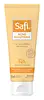
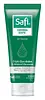
Safi Acne Solutions 3 in 1 Cica Micellar Gel Cleanser Versus Safi Dermasafe Triple Cica Active & Advanced Ceramide Gel Cleanser
This salicylic acid gel cleanser is formulated around Salicylic Acid to clear breakouts and unclog pores.

What's inside
What's inside
 Key Ingredients
Benefits
Concerns
Ingredients Side-by-side
Water
Skin ConditioningAmmonium Lauryl Sulfate
Cleansing




Sodium Cocoyl Alaninate
Surfactant
Cocamidopropyl Betaine
Cleansing
Acrylates/C10-30 Alkyl Acrylate Crosspolymer
Emulsion StabilisingButylene Glycol
Humectant

Lactic Acid
Buffering







PEG-8
HumectantSodium Hydroxide
BufferingMelia Azadirachta Leaf Extract
Skin ConditioningPropylene Glycol
Humectant
Gluconolactone
Chelating

Mandelic Acid
Antimicrobial
Centella Asiatica Leaf Extract
Skin Conditioning

Salicylic Acid
Masking

Dextrin
AbsorbentPolydextrose
HumectantAmylopectin
Niacinamide
Smoothing
Methylchloroisothiazolinone
Preservative
Methylisothiazolinone
Preservative
Phenoxyethanol
Preservative
Water, Ammonium Lauryl Sulfate, Sodium Cocoyl Alaninate, Cocamidopropyl Betaine, Acrylates/C10-30 Alkyl Acrylate Crosspolymer, Butylene Glycol, Lactic Acid, PEG-8, Sodium Hydroxide, Melia Azadirachta Leaf Extract, Propylene Glycol, Gluconolactone, Mandelic Acid, Centella Asiatica Leaf Extract, Salicylic Acid, Dextrin, Polydextrose, Amylopectin, Niacinamide, Methylchloroisothiazolinone, Methylisothiazolinone, Phenoxyethanol
Water
Skin ConditioningGlycerin
Humectant
Sodium Lauryl Sulfate
Cleansing
Cocamidopropyl Betaine
Cleansing
Cocamide Methyl Mea
Foam Boosting
Acrylates Copolymer
Sodium Chloride
MaskingSodium Cocoamphoacetate
CleansingCitric Acid
Buffering
Sodium Hydroxide
BufferingTetrasodium EDTA
ChelatingPropylene Glycol
Humectant
Alpha-Glucan Oligosaccharide
Cleansing
PEG-7 Glyceryl Cocoate
Emulsifying
Polymnia Sonchifolia Root Juice
Skin ConditioningMaltodextrin
Absorbent
Asiaticoside
Antioxidant
Madecassic Acid
Skin Conditioning
Centella Asiatica Leaf Extract
Skin Conditioning
Asiatic Acid
Skin Conditioning
Anthemis Nobilis Flower Extract
Masking
Helianthus Annuus Seed Oil
Emollient
Ceramide NP
Skin Conditioning
Lactobacillus
Skin ConditioningBoswellia Serrata Extract
Skin Conditioning
Glyceryl Citrate/Lactate/Linoleate/Oleate
Emulsifying
Polyglyceryl-2 Oleate
Emulsifying
Phenoxyethanol
Preservative
Potassium Sorbate
Preservative
Water, Glycerin, Sodium Lauryl Sulfate, Cocamidopropyl Betaine, Cocamide Methyl Mea, Acrylates Copolymer, Sodium Chloride, Sodium Cocoamphoacetate, Citric Acid, Sodium Hydroxide, Tetrasodium EDTA, Propylene Glycol, Alpha-Glucan Oligosaccharide, PEG-7 Glyceryl Cocoate, Polymnia Sonchifolia Root Juice, Maltodextrin, Asiaticoside, Madecassic Acid, Centella Asiatica Leaf Extract, Asiatic Acid, Anthemis Nobilis Flower Extract, Helianthus Annuus Seed Oil, Ceramide NP, Lactobacillus, Boswellia Serrata Extract, Glyceryl Citrate/Lactate/Linoleate/Oleate, Polyglyceryl-2 Oleate, Phenoxyethanol, Potassium Sorbate
Reviews
Ingredients Explained
These ingredients are found in both products.
Ingredients higher up in an ingredient list are typically present in a larger amount.
Centella Asiatica Leaf Extract comes from the leaves of an herb plant native to Southeast Asia. Centella Asiatica is rich in antioxidants and amino acids. It can help reduce irritation and soothe the skin.
Many active components found in centella asiatica, such as Madecassic Acid and Asiaticoside, encourage the skin to naturally produce hyaluronic acid. This helps keep our skin hydrated. Many of these components also show antioxidant activity and may help reduce the signs of aging.
Research shows centella asiatica can help increase Type I collagen production by increasing fibroblast production. Fibroblast helps form connective tissue.
The combination of all these properties makes centella asiatica leaf extract effective at soothing the skin.
Other components of centella asiatica leaf extract include Vitamin A, vitamin C, several B vitamins, and Asiatic Acid.
Recent studies found madecassoside may help prevent damage from UV rays by preventing UV-induced inflammation. Further research is needed.
This plant has been used as a medicine and in food for many centuries. As a medicine, it is used to treat burns, scratches, and wounds.
Learn more about Centella Asiatica Leaf ExtractCocamidopropyl Betaine is a fatty acid created by mixing similar compounds in coconut oil and dimethylaminopropylamine, a compound with two amino groups.
This ingredient is a surfactant and cleanser. It helps gather the dirt, pollutants, and other impurities in your skin to be washed away. It also helps thicken a product and make the texture more creamy.
Being created from coconut oil means Cocamidopropyl Betaine is hydrating for the skin.
While Cocamidopropyl Betaine was believed to be an allergen, a study from 2012 disproved this. It found two compounds in unpure Cocamidopropyl Betaine to be the irritants: aminoamide and 3-dimethylaminopropylamine. High-grade and pure Cocamidopropyl Betaine did not induce allergic reactions during this study.
Learn more about Cocamidopropyl BetainePhenoxyethanol is one of the most widely used preservatives in skincare (and for good reason!).
It has a large spectrum of antimicrobial activity and especially effective bacteria, yeast, and mold while only having a weak effect on your skin's natural microbiome.
On a cellular level, it disrupts the cell membranes of microbes by poking holes that make the cell leak. This shuts down the chemical reactions the microbe needs to make energy so it can no longer survive.
Another perk of this ingredient is that it stays functional across a wide pH range (3-10).
You'll often see it paired with boosters like Ethylhexylglycerin; one study showed that a 1:9 ratio of Ethylhexylglycerin to Phenoxyethanol damages bacterial membranes as effectively as doubling the Phenoxyethanol concentration on its own.
Typical use concentrations range from 0.3-1% depending on the formula, and this ingredient is capped at 1% int the EU.
Safety-wise, the fear mongering does not hold up to the evidence. The EU's Scientific Committee on Consumer Safety and FDA consider it safe as a preservative at up to 1%, including for children of all ages.
Adverse systemic effects only showed up in animal studies at exposures roughly 200x higher than what people get from cosmetics. And despite its very widespread use, this ingredient is a rare sensitizer and allergic reactions are uncommon.
Learn more about PhenoxyethanolPropylene Glycol is a synthetic, colorless, odorless liquid that has been a staple in cosmetics for decades. It is a skin conditioning agent, humectant, and solvent.
As a humectant, it draw water to the skin to reduce flaking and restore suppleness. It's also a solvent that helps dissolve other actives and keeps formulas stable across temperature changes.
The CIR Expert Panel has confirmed this ingredient to be nontoxic and clinical studies show no sensitization at cosmetic use concentrations.
True allergic reactions are quite rare: a 15-year retrospective study of 6,751 patients found only 0.31% had a positive reaction (and less than half were considered clinically relevant).
It seemed that when sensitization does occur, it's most commonly linked to topical medication (like corticosteroids) and not cosmetics. Allergic contact dermatitis also appears largely limited to individuals with underlying skin conditions.
Overall, propylene glycol is a well-studied ingredient that most people can tolerate without issue.
Learn more about Propylene GlycolSodium Hydroxide is also known as lye or caustic soda. It is used to adjust the pH of products; many ingredients require a specific pH to be effective.
In small amounts, sodium hydroxide is considered safe to use. However, large amounts may cause chemical burns due to its high alkaline.
Your skin has a natural pH and acid mantle. This acid mantle helps prevent harmful bacteria from breaking through. The acid mantle also helps keep your skin hydrated.
"Alkaline" refers to a high pH level. A low pH level would be considered acidic.
Learn more about Sodium HydroxideWater. It's the most common cosmetic ingredient of all. You'll usually see it at the top of ingredient lists, meaning that it makes up the largest part of the product.
So why is it so popular? Water most often acts as a solvent - this means that it helps dissolve other ingredients into the formulation.
You'll also recognize water as that liquid we all need to stay alive. If you see this, drink a glass of water. Remember to stay hydrated!
Learn more about Water

