This barrier-repair moisturizer is formulated around Niacinamide and Centella Asiatica Leaf Extract to strengthen the skin barrier and calm redness.
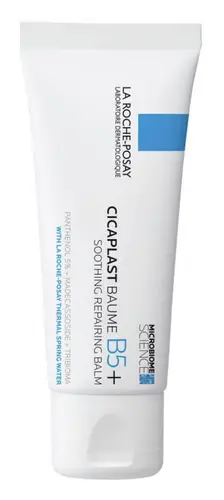
This barrier-repair moisturizer is formulated around Panthenol and Madecassoside to strengthen the skin barrier and hydrate skin.


What's inside
What's inside
 Key Ingredients
Benefits
Concerns
Ingredients Side-by-side
Water
Skin ConditioningSodium Hyaluronate
Humectant




Propylene Glycol
Humectant

Glycerin
Humectant
Squalane
Emollient
Niacinamide
Smoothing







Centella Asiatica Leaf Extract
Skin Conditioning
Caprylic/Capric Triglyceride
Masking
Polymethylsilsesquioxane

Dimethicone
Emollient
Isohexadecane
EmollientCetearyl Methicone
Skin Conditioning
PEG-40 Stearate
Emulsifying
Steareth-2
EmulsifyingSteareth-21
CleansingInulin
Skin Conditioning
Alpha-Glucan Oligosaccharide
Cleansing
Panthenol
Skin Conditioning
Phenoxyethanol
Preservative
PEG-40 Hydrogenated Castor Oil
Emulsifying
Betaine
Humectant
Disodium EDTA
Triethanolamine
BufferingAcrylates/C10-30 Alkyl Acrylate Crosspolymer
Emulsion StabilisingCitric Acid
Buffering
Sodium Benzoate
Masking
Potassium Sorbate
Preservative
Water, Sodium Hyaluronate, Propylene Glycol, Glycerin, Squalane, Niacinamide, Centella Asiatica Leaf Extract, Caprylic/Capric Triglyceride, Polymethylsilsesquioxane, Dimethicone, Isohexadecane, Cetearyl Methicone, PEG-40 Stearate, Steareth-2, Steareth-21, Inulin, Alpha-Glucan Oligosaccharide, Panthenol, Phenoxyethanol, PEG-40 Hydrogenated Castor Oil, Betaine, Disodium EDTA, Triethanolamine, Acrylates/C10-30 Alkyl Acrylate Crosspolymer, Citric Acid, Sodium Benzoate, Potassium Sorbate
Water
Skin ConditioningPropanediol
Solvent
Pentaerythrityl Tetraethylhexanoate
Emollient
Caprylic/Capric Triglyceride
Masking
Helianthus Annuus Seed Oil
Emollient
Polyglyceryl-3 Methylglucose Distearate
Emulsifying
Hydrogenated Vegetable Oil
Emollient
Cetearyl Alcohol
Emollient

Panthenol
Skin Conditioning
1,2-Hexanediol
Skin Conditioning
Carbomer
Emulsion StabilisingXanthan Gum
EmulsifyingGlyceryl Caprylate
EmollientTromethamine
BufferingEthylhexylglycerin
Skin ConditioningDisodium EDTA
Madecassoside
Antioxidant
Lecithin
Emollient
Butylene Glycol
Humectant
Tocopherol
Antioxidant
Camellia Sinensis Leaf Extract
Antimicrobial
Water, Propanediol, Pentaerythrityl Tetraethylhexanoate, Caprylic/Capric Triglyceride, Helianthus Annuus Seed Oil, Polyglyceryl-3 Methylglucose Distearate, Hydrogenated Vegetable Oil, Cetearyl Alcohol, Panthenol, 1,2-Hexanediol, Carbomer, Xanthan Gum, Glyceryl Caprylate, Tromethamine, Ethylhexylglycerin, Disodium EDTA, Madecassoside, Lecithin, Butylene Glycol, Tocopherol, Camellia Sinensis Leaf Extract
Reviews
Ingredients Explained
These ingredients are found in both products.
Ingredients higher up in an ingredient list are typically present in a larger amount.
Caprylic/Capric Triglyceride (aka MCT Oil) is a lightweight emollient, solvent, and texture enhancer. It is considered a skin-softener by helping to prevent moisture loss.
Though it behaves like an oil, it is not technically one due to its chemical composition. One perk of this ingredient is that it is very stable, resistant to oxidation, and unlikely to go rancid.
In practice, that translates to a long shelf life and a consistently elegant skin feel.
While there is an assumption Caprylic Triglyceride can clog pores due to it being derived from coconut oil, there is no research supporting this. Just patch test if you have concerns.
Fractionated coconut oil and MCT Oil are both listed as Caprylic/Capric Triglyceride according to INCI. This is because INCI names are based on the ingredient’s final chemical composition and not its marketing name or source.
This ingredient is treated as the gold standard fungal acne safe oil. Even though it is coconut derived, the problematic lauric acid is stripped out.
This leaves just caprylic (C8) and capric (C10) acid. These chain lengths actually trend antifungal; a 2020 study found caprylic acid was enough to disrupt Malassezia furfur cell membrane, with a caprylic acid derivative damaging membrane structures at concentrations as low as 0.2%.
Learn more about Caprylic/Capric TriglycerideDisodium EDTA is a chelating agent. It grabs onto and deactivates metal ions that sneak into your products from water, packaging, or air.
This ingredient mainly works behind the scenes and helps with:
On top of that, this ingredient can counteract the effects of hard water by binding to the minerals in it.
One thing worth knowing is that Disodium EDTA has been shown to be a mild penetration enhancer. It can help other ingredients absorb into skin more effectively which can be a double-edged sword (great for actives, but can also make the active too strong if you have sensitive skin).
Clinical patch testing showed no significant skin irritation at typical use concentrations and minimal dermal absorption.
You'll most likely see this ingredient near the end of an ingredient list. It's typically found in concentrations less than 1%.
Learn more about Disodium EDTAPanthenol is a common ingredient that helps hydrate and soothe the skin. It is found naturally in our skin and hair.
There are two forms of panthenol: D and L.
D-panthenol is also known as dexpanthenol. Most cosmetics use dexpanthenol or a mixture of D and L-panthenol.
Panthenol is famous due to its ability to go deeper into the skin's layers. Using this ingredient has numerous pros (and no cons):
Like hyaluronic acid, panthenol is a humectant. Humectants are able to bind and hold large amounts of water to keep skin hydrated.
This ingredient works well for wound healing. It works by increasing tissue in the wound and helps close open wounds.
Once oxidized, panthenol converts to pantothenic acid. Panthothenic acid is found in all living cells.
This ingredient is also referred to as pro-vitamin B5.
Learn more about PanthenolWater. It's the most common cosmetic ingredient of all. You'll usually see it at the top of ingredient lists, meaning that it makes up the largest part of the product.
So why is it so popular? Water most often acts as a solvent - this means that it helps dissolve other ingredients into the formulation.
You'll also recognize water as that liquid we all need to stay alive. If you see this, drink a glass of water. Remember to stay hydrated!
Learn more about Water