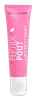
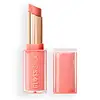
This anti-aging lip moisturizer is formulated around Ricinus Communis Seed Oil and Squalane to soften the look of wrinkles and hydrate lips.

What's inside
What's inside
 Key Ingredients
Benefits
Concerns
Ingredients Side-by-side
Ricinus Communis Seed Oil
Masking




Helianthus Annuus Seed Oil
Emollient
Hydrogenated Castor Oil
Emollient
Cetearyl Alcohol
Emollient




Butyrospermum Parkii Butter
Skin Conditioning
Glyceryl Stearate
Emollient
Hydrogenated Ethylhexyl Olivate
EmollientSqualane
Emollient
Mangifera Indica Seed Butter
Skin Conditioning
Prunus Avium Seed Oil
Emollient
Rubus Fruticosus Fruit Extract
AstringentCopernicia Cerifera Wax
Hydrogenated Olive Oil Unsaponifiables
Emollient
Polyglyceryl-2 Sesquioleate
Emulsifying
Aroma

Glycerin
Humectant
Water
Skin ConditioningButylene Glycol
Humectant
Carbomer
Emulsion StabilisingPolysorbate 20
Emulsifying
Palmitoyl Tripeptide-1
Skin Conditioning

Palmitoyl Tetrapeptide-7
Skin Conditioning
Citral
Perfuming

Geraniol
Perfuming
Limonene
Perfuming
Linalool
Perfuming
Ricinus Communis Seed Oil, Helianthus Annuus Seed Oil, Hydrogenated Castor Oil, Cetearyl Alcohol, Butyrospermum Parkii Butter, Glyceryl Stearate, Hydrogenated Ethylhexyl Olivate, Squalane, Mangifera Indica Seed Butter, Prunus Avium Seed Oil, Rubus Fruticosus Fruit Extract, Copernicia Cerifera Wax, Hydrogenated Olive Oil Unsaponifiables, Polyglyceryl-2 Sesquioleate, Aroma, Glycerin, Water, Butylene Glycol, Carbomer, Polysorbate 20, Palmitoyl Tripeptide-1, Palmitoyl Tetrapeptide-7, Citral, Geraniol, Limonene, Linalool
Bis-Behenyl/Isostearyl/Phytosteryl Dimer Dilinoleyl Dimer Dilinoleate
EmollientBis-Diglyceryl Polyacyladipate-2
Emollient
Synthetic Fluorphlogopite
Phytosteryl/Isostearyl/Cetyl/Stearyl/Behenyl Dimer Dilinoleate
Skin Conditioning
Polybutene
Octyldodecanol
Emollient
Squalane
Emollient
Diisostearyl Malate
EmollientSynthetic Wax
Abrasive
Dextrin Isostearate
Skin ConditioningCalcium Titanium Borosilicate
Abrasive
Butyrospermum Parkii Butter
Skin Conditioning
Hydrogenated Olive Oil Unsaponifiables
Emollient
Phenoxyethanol
Preservative
Parfum
Masking
Tocopheryl Acetate
Antioxidant


Helianthus Annuus Seed Oil
Emollient
Tin Oxide
Abrasive
Aluminum Hydroxide
EmollientSimmondsia Chinensis Seed Oil
Emollient
Ethylhexyl Palmitate
Emollient
Vitis Vinifera Seed Oil
Emollient
Bambusa Vulgaris Extract
Skin Conditioning
Trihydroxystearin
Skin Conditioning
Sodium Hyaluronate
Humectant
Glucomannan
Skin ConditioningBenzyl Benzoate
Antimicrobial
CI 77891
Cosmetic ColorantCI 77491
Cosmetic ColorantCI 77499
Cosmetic ColorantCI 77492
Cosmetic ColorantCI 15850
Cosmetic ColorantBis-Behenyl/Isostearyl/Phytosteryl Dimer Dilinoleyl Dimer Dilinoleate, Bis-Diglyceryl Polyacyladipate-2, Synthetic Fluorphlogopite, Phytosteryl/Isostearyl/Cetyl/Stearyl/Behenyl Dimer Dilinoleate, Polybutene, Octyldodecanol, Squalane, Diisostearyl Malate, Synthetic Wax, Dextrin Isostearate, Calcium Titanium Borosilicate, Butyrospermum Parkii Butter, Hydrogenated Olive Oil Unsaponifiables, Phenoxyethanol, Parfum, Tocopheryl Acetate, Helianthus Annuus Seed Oil, Tin Oxide, Aluminum Hydroxide, Simmondsia Chinensis Seed Oil, Ethylhexyl Palmitate, Vitis Vinifera Seed Oil, Bambusa Vulgaris Extract, Trihydroxystearin, Sodium Hyaluronate, Glucomannan, Benzyl Benzoate, CI 77891, CI 77491, CI 77499, CI 77492, CI 15850
Ingredients Explained
These ingredients are found in both products.
Ingredients higher up in an ingredient list are typically present in a larger amount.
This ingredient is also known as shea butter. It is a plant-derived extract from the nuts of the Africa shea tree and one of the most well-studied emollients.
Because it has a high concentration of fatty acids (primarily oleic, stearic, and linoleic) it is able to form a protective barrier on the skin's surface. This helps seal in moisture and prevents transepidermal water loss (TEWL).
In vitro research found an increase in skin hydration by 58% and a decrease in TEWL by 37.8% after 24 hours of applying this ingredient (pretty impressive for a single ingredient!).
Besides hydration, shea butter also contains triterpenes that have anti-inflammatory potential. In particule, lupeol cinnamate has shown the highest anti-inflammatory activity in vivo.
Shea butter also contains vitamins A and E which may contribute to antioxidant activity.
While Shea Butter has an SPF rating of about 3-4, it is not a sunscreen replacement.
This ingredient may not be fungal acne safe because its fatty acids fall within the C11-C24 range that the Malassezia yeast can metabolize.
This ingredient shows up on a lot of "pore-clogging" lists but there's no real evidence behind that. It doesn't even have a comedogenic rating from an actual study; the numbers you'll find online come from blogs citing other blogs.
Ratings for other ingredients mostly come from a 1980s rabbit ear test. This test doesn't translate well to human skin or to real products because the ingredient sits at a much lower percentage.
Some people still find it breaks them out. So if that's you, definitely trust your skin. Just know this one's based on experience and not evidence.
Learn more about Butyrospermum Parkii ButterHelianthus Annuus Seed Oil is a plant oil derived from the seeds of a sunflower.
It is rich in fatty acids, primarily linoleic acid and oleic acid. This gives it emollient and skin conditioning properties.
The reason this ingredient is so effective is because it forms a thin film on the skin that reduces transepidermal water loss (TEWL) while supplying linoleic acid to the stratum corneum to improve barrier strength.
The high linoleic acid content is particularly noteworthy for acne-prone skin.
Research suggests that acne-prone skin tends to be deficient in linoleic acid in sebum. Topical application may help replenish this to support a healthier follicular environment and less comedone-promoting sebum.
One randomized study found sunflower seed oil preserved skin barrier integrity in adult volunteers with and without atopic dermatitis (outperforming olive oil).
This ingredient is well-studied, gentle, and an effective emollient suitable for most skin types.
On fungal acne: This ingredient may not be Fungal acne (Malassezia folliculitis) safe. This is because it contains fatty acids with carbon chain lengths in the C11-C24 range.
Learn more about Helianthus Annuus Seed OilHydrogenated Olive Oil Unsaponifiables are the "leftover" part of olive oil after the fatty acids get turned into soap.
Most of what's left behind is a concentrated blend of squalene, phytosterols, and vitamin E.
Squalene is pretty cool because it's already naturally found in our skin and makes up about 13% of sebum. This makes it a great moisturizing and skin-barrier-supporting ingredient.
This ingredient is typically used at low concentrations (~1-3%) and occasionally up to 25% when acting as the main ingredient in a formula.
Fungal acne note: Though this ingredient is largely free of fatty acid esters that feed Malassezia, it may still have some residual fatty acids depending on the purity. This is why this ingredient is marked as not fungal acne safe.
People with existing olive oil allergies should be cautious as well.
Learn more about Hydrogenated Olive Oil UnsaponifiablesSqualane is the hydrogenated and shelf-stable form of squalene (a lipid that naturally occurs in human sebum).
It is an emollient and skin conditioning agent that is able to integrate seamlessly into the skin's lipid barrier without clogging pores.
This is due to how structurally similar it is to what your skin already produces.
Though it is mostly an emollient that helps soften and hydrate skin, it also has some humectant and occlusive action. Humectants help the skin retain moisture while occlusives seal it in, making squalane a triple-threat moisturizer.
Research shows it has antioxidant capabilities that help protect against stressors like UV exposure, specifically UVA induced oxidative stress. This study also found that it supports collagen biosynthesis in human dermal fibroblasts.
No clinical study has reported significant adverse effects and irritation reactions are very rare from this ingredient (even at 100% concentration).
Overall, it's a fantastic ingredient for hydration and is suitable for all skin types.
This depends on the source. Squalane can be derived from both plants and animals. Most squalane used in skincare comes from plants.
Please note: the source of squalane is only known if disclosed by the brand. We recommend reaching out to the brand if you have any questions about their squalane.
Read more about squalene with an "e".
Though squalane is often called an oil, it’s technically not one. It is a hydrocarbon, meaning it is only made of carbon and hydrogen. True oils are triglycerides and made of fatty acids and glycerol.
The term “oil-free” isn’t regulated so companies can define it however they want. Some exclude all oils, while others just avoid mineral oil or comedogenic oils.
Squalane has a comedogenic rating of 1 from the original 1972 study that tested raw ingredients under occlusion on rabbit ears. This system is not standardized or peer-reviewed, and using the raw ingredients is very different from how diluted cosmetic formulations are used on human skin.
A comedogenic rating of 1 means it is "unlikely to clog pores" according to the original rating system.
The overall formula of a product matters more than the individual ingredients on whether or not it will cause clogged pores.
Learn more about Squalane

