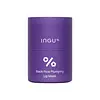
This barrier-repair lip moisturizer is formulated around Niacinamide and Hydrogenated Retinol to strengthen the lip barrier.
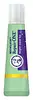
This hydrating lip mask is formulated around Ceramide NP and Palmitoyl Tripeptide-1 to hydrate lips and strengthen the lip barrier.

What's inside
What's inside
 Key Ingredients
Benefits
Concerns
Ingredients Side-by-side
Paraffinum Liquidum
Emollient


Hydrogenated Polyisobutene
EmollientPetrolatum
Emollient
Dipentaerythrityl Hexahydroxystearate
EmulsifyingDextrin Palmitate
Emulsifying

Polyglyceryl-2 Diisostearate
Emulsifying
Microcrystalline Wax
Emulsion StabilisingDextrin Palmitate/Ethylhexanoate
Emulsifying
Niacinamide
Smoothing











Hydrogenated Retinol
Skin Conditioning
Bifidobacterium
Skin ProtectingSodium Hyaluronate
Humectant
Pentylene Glycol
Skin Conditioning
Silica Dimethyl Silylate
EmollientEthylhexyl Palmitate
Emollient

Butylene Glycol
Humectant
Palmitoyl Tripeptide-38
Skin Conditioning
Hydrolyzed Hyaluronic Acid
Humectant
Sodium Acetylated Hyaluronate
Humectant
Glycerin
Humectant
Olea Europaea Fruit Oil
Masking
Arnica Montana Flower Extract
Masking
Portulaca Grandiflora Extract
Skin ConditioningPhytosteryl/Octyldodecyl Lauroyl Glutamate
Skin ConditioningCetearyl Ethylhexanoate
Emollient
Sorbitan Isostearate
Emulsifying
Polyglyceryl-6 Polyricinoleate
Emulsifying
Coconut Acid
Cleansing
Water
Skin ConditioningParaffinum Liquidum, Hydrogenated Polyisobutene, Petrolatum, Dipentaerythrityl Hexahydroxystearate, Dextrin Palmitate, Polyglyceryl-2 Diisostearate, Microcrystalline Wax, Dextrin Palmitate/Ethylhexanoate, Niacinamide, Hydrogenated Retinol, Bifidobacterium, Sodium Hyaluronate, Pentylene Glycol, Silica Dimethyl Silylate, Ethylhexyl Palmitate, Butylene Glycol, Palmitoyl Tripeptide-38, Hydrolyzed Hyaluronic Acid, Sodium Acetylated Hyaluronate, Glycerin, Olea Europaea Fruit Oil, Arnica Montana Flower Extract, Portulaca Grandiflora Extract, Phytosteryl/Octyldodecyl Lauroyl Glutamate, Cetearyl Ethylhexanoate, Sorbitan Isostearate, Polyglyceryl-6 Polyricinoleate, Coconut Acid, Water
Dipentaerythrityl Hexahydroxystearate/Hexastearate/Hexarosinate
Skin ConditioningHydrogenated Polyisobutene
EmollientDiisostearyl Malate
EmollientEthylhexyl Palmitate
Emollient
Butyl Methoxydibenzoylmethane
UV Absorber
Ethylhexyl Salicylate
UV Absorber
Jojoba Esters
Emollient
Acacia Decurrens Flower Wax
Emollient
Helianthus Annuus Seed Wax
Skin Conditioning
Polyglycerin-3
Humectant
Bis-Ethylhexyloxyphenol Methoxyphenyl Triazine
UV Absorber
Ceramide EOP
Skin Conditioning
Ceramide Ns
Skin Conditioning
Ceramide NP
Skin Conditioning
Ceramide As
Skin Conditioning
Ceramide AP
Skin Conditioning
Hydrogenated Lecithin
Emulsifying
Glyceryl Stearate
Emollient
2,3-Butanediol
HumectantWater
Skin ConditioningButyrospermum Parkii Butter
Skin Conditioning
Kojic Dipalmitate
Emollient
Palmitoyl Tripeptide-1
Skin Conditioning
Oryza Sativa Extract
Absorbent
Phenoxyethanol
Preservative
Maltodextrin
Absorbent
BHT
Antioxidant
CI 45410
Cosmetic ColorantCI 19140
Cosmetic ColorantCI 77891
Cosmetic ColorantCI 77491
Cosmetic ColorantDipentaerythrityl Hexahydroxystearate/Hexastearate/Hexarosinate, Hydrogenated Polyisobutene, Diisostearyl Malate, Ethylhexyl Palmitate, Butyl Methoxydibenzoylmethane, Ethylhexyl Salicylate, Jojoba Esters, Acacia Decurrens Flower Wax, Helianthus Annuus Seed Wax, Polyglycerin-3, Bis-Ethylhexyloxyphenol Methoxyphenyl Triazine, Ceramide EOP, Ceramide Ns, Ceramide NP, Ceramide As, Ceramide AP, Hydrogenated Lecithin, Glyceryl Stearate, 2,3-Butanediol, Water, Butyrospermum Parkii Butter, Kojic Dipalmitate, Palmitoyl Tripeptide-1, Oryza Sativa Extract, Phenoxyethanol, Maltodextrin, BHT, CI 45410, CI 19140, CI 77891, CI 77491
Ingredients Explained
These ingredients are found in both products.
Ingredients higher up in an ingredient list are typically present in a larger amount.
Ethylhexyl Palmitate, also known as octyl palmitate, is created from 2-ethylhexyl alcohol and palmitic acid.
In cosmetics, it plays many roles:
One thing worth noting: a controlled study found this ingredient applied under occlusion to acne-prone subjects increased microcomedones. Just keep in mind this was under occlusive conditions and don't reflect how most products are used day-to-day.
For most people, this is a well-tolerated and lightweight ingredient.
This ingredient may not be fungal acne safe because it is an ester of palmitic acid, a C16 fatty acid that falls within the C11-24 range that Malassezia can metabolize.
You'll see this one rated 4 comedogenic all over the internet. That number isn't from a single study, and the actual research is more interesting.
The original rating comes from 1980s rabbit ear tests (which are a shaky basis for anything). But Ethylhexyl Palmitate is one of the few ingredients with real human data behind it. A 2021 controlled trial found this ingredient increased microcomedones by an average of 365% over four weeks.
Just know that test used the pure ingredient under an occlusive pad on back skin; most products use it at much lower levels alongside other ingredients and plenty of people use those with no issue.
Learn more about Ethylhexyl PalmitateHydrogenated Polyisobutene is a synthetic polymer. Polymers are compounds with high molecular weight. Hydrogenated Polyisobutene is an emollient and texture enhancer.
In one study, Hydrogenated Polyisobutene showed better skin hydration levels than Caprylic/Capric Triglyceride. As an emollient, it helps keep your skin soft and hydrated by trapping moisture in.
Hydrogenated Polyisobutene is often used as a mineral oil replacement.
Learn more about Hydrogenated PolyisobuteneWater. It's the most common cosmetic ingredient of all. You'll usually see it at the top of ingredient lists, meaning that it makes up the largest part of the product.
So why is it so popular? Water most often acts as a solvent - this means that it helps dissolve other ingredients into the formulation.
You'll also recognize water as that liquid we all need to stay alive. If you see this, drink a glass of water. Remember to stay hydrated!
Learn more about Water

