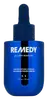
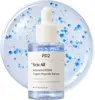
Remedy For Skin Elasticity Copper Peptide Complex Advanced Firming Serum Versus Dr. Reju-All Advanced PDRN Copper Peptide Serum
This anti-aging serum is formulated around Ectoin and Copper Tripeptide-1 to soften the look of wrinkles and strengthen the skin barrier.
This anti-aging serum is formulated around Niacinamide and Sodium DNA to soften the look of wrinkles and strengthen the skin barrier.


What's inside
What's inside
 Key Ingredients
Benefits
Concerns
Ingredients Side-by-side
Water
Skin ConditioningPentylene Glycol
Skin Conditioning
Isopentyldiol
Humectant
1,2-Hexanediol
Skin Conditioning
Glycerin
Humectant
Ectoin
Skin Conditioning



Copper Tripeptide-1
Skin Conditioning
Polyglutamic Acid
Skin Conditioning
Allantoin
Skin Conditioning
Biosaccharide Gum-1
Humectant
Butylene Glycol
Humectant
Caprylyl Glycol
Emollient
Centella Asiatica Extract
Cleansing
Citric Acid
Buffering


Curcuma Longa Root Extract
Antioxidant

Ethylhexylglycerin
Skin ConditioningAcetyl Hexapeptide-8
Humectant
Hydroxyacetophenone
Antioxidant
Tea-Acrylates/Acrylonitrogens Copolymer
Lactobacillus Ferment
Skin Conditioning
Palmitoyl Tripeptide-5
Skin Conditioning
Phenoxyethanol
Preservative
Polyacrylate Crosspolymer-5
SurfactantPolysorbate 60
Emulsifying
Sodium Citrate
BufferingSodium Hyaluronate
Humectant
Sorbitan Isostearate
Emulsifying
Superoxide Dismutase
Antioxidant
Tocopherol
Antioxidant

Trisodium Ethylenediamine Disuccinate
ChelatingTromethamine
BufferingWater, Pentylene Glycol, Isopentyldiol, 1,2-Hexanediol, Glycerin, Ectoin, Copper Tripeptide-1, Polyglutamic Acid, Allantoin, Biosaccharide Gum-1, Butylene Glycol, Caprylyl Glycol, Centella Asiatica Extract, Citric Acid, Curcuma Longa Root Extract, Ethylhexylglycerin, Acetyl Hexapeptide-8, Hydroxyacetophenone, Tea-Acrylates/Acrylonitrogens Copolymer, Lactobacillus Ferment, Palmitoyl Tripeptide-5, Phenoxyethanol, Polyacrylate Crosspolymer-5, Polysorbate 60, Sodium Citrate, Sodium Hyaluronate, Sorbitan Isostearate, Superoxide Dismutase, Tocopherol, Trisodium Ethylenediamine Disuccinate, Tromethamine
Water
Skin ConditioningButylene Glycol
Humectant
Glycerin
Humectant
Dipropylene Glycol
Humectant1,2-Hexanediol
Skin Conditioning
Isopentyldiol
Humectant
Niacinamide
Smoothing



Caprylic/Capric Triglyceride
Masking
Sodium DNA
Skin Conditioning
Copper Tripeptide-1
Skin Conditioning
Acetyl Octapeptide-3
Humectant
Acetyl Tetrapeptide-5
Humectant
Acetyl Tetrapeptide-9
Skin Conditioning
Palmitoyl Hexapeptide-12
Skin Conditioning
Palmitoyl Tripeptide-5
Skin Conditioning
Sodium Hyaluronate
Humectant
Hydrolyzed Collagen
Emollient
Chamaecyparis Obtusa Oil
Masking
Anthemis Nobilis Flower Oil
Masking

Guaiazulene
Antimicrobial
Panthenol
Skin Conditioning
Sorbitol
Humectant
C12-14 Alketh-12
EmulsifyingSodium Polyacryloyldimethyl Taurate
Emulsion StabilisingAcrylates/C10-30 Alkyl Acrylate Crosspolymer
Emulsion StabilisingPropanediol
Solvent
Tromethamine
BufferingEthylhexylglycerin
Skin ConditioningAllantoin
Skin Conditioning
Sodium PCA
Humectant
Adenosine
Skin Conditioning
Gellan Gum
Glyceryl Acrylate/Acrylic Acid Copolymer
HumectantAgar
MaskingSodium Phytate
ChelatingBeta-Glucan
Skin Conditioning
Tocopherol
Antioxidant
Xanthan Gum
EmulsifyingWater, Butylene Glycol, Glycerin, Dipropylene Glycol, 1,2-Hexanediol, Isopentyldiol, Niacinamide, Caprylic/Capric Triglyceride, Sodium DNA, Copper Tripeptide-1, Acetyl Octapeptide-3, Acetyl Tetrapeptide-5, Acetyl Tetrapeptide-9, Palmitoyl Hexapeptide-12, Palmitoyl Tripeptide-5, Sodium Hyaluronate, Hydrolyzed Collagen, Chamaecyparis Obtusa Oil, Anthemis Nobilis Flower Oil, Guaiazulene, Panthenol, Sorbitol, C12-14 Alketh-12, Sodium Polyacryloyldimethyl Taurate, Acrylates/C10-30 Alkyl Acrylate Crosspolymer, Propanediol, Tromethamine, Ethylhexylglycerin, Allantoin, Sodium PCA, Adenosine, Gellan Gum, Glyceryl Acrylate/Acrylic Acid Copolymer, Agar, Sodium Phytate, Beta-Glucan, Tocopherol, Xanthan Gum
Reviews
Ingredients Explained
These ingredients are found in both products.
Ingredients higher up in an ingredient list are typically present in a larger amount.
1,2-Hexanediol is a synthetic liquid and another multi-functional powerhouse.
It is a:
- Humectant, drawing moisture into the skin
- Emollient, helping to soften skin
- Solvent, dispersing and stabilizing formulas
- Preservative booster, enhancing the antimicrobial activity of other preservatives
Allantoin is a soothing ingredient known for its protective and moisturizing properties; it's basically a quiet workhorse ingredient you can find in a huge range of cosmetics.
Though it can be derived from the comfrey plant, allantoin is produced synthetically for cosmetic products to ensure purity.
Research shows it can encourage your skin cells to turn over and renew by stimulating keratinocyte and fibroblast proliferation.
It also has mild keratolytic properties to help loosen and shed dead skin cells without being harsh.
Studies also suggest allantoin can help calm inflammation by dialing down some of the chemical signals your skin sends out when it is irritated.
This ingredient is typically used in the 0.1-0.5% range, and the FDA recognizes it as a skin protectant in OTC products up to 2%.
Overall, allantoin is a wonderful addition to most routines; it is stable across a wide pH range (~4-8), works well with other ingredients, and is considered non-sensitizing/non-irritating.
Fun fact: Allantoin is naturally occurring in comfrey root, beets, chamomile, and wheat sprouts. Our bodies even produce it as a byproduct of uric acid metabolism.
Learn more about AllantoinButylene Glycol (or BG) is used within cosmetic products for a few different reasons:
Overall, Butylene Glycol is a safe and well-rounded ingredient that works well with other ingredients.
Though this ingredient works well with most skin types, some people with sensitive skin may experience a reaction such as allergic rashes, closed comedones, or itchiness.
Learn more about Butylene GlycolCopper Tripeptide-1 (GHK-Cu) is a skin repairing ingredient said to boost collagen, improve firmness, and support skin regeneration.
It is a complex made up of a naturally occurring peptide (glycine-histidine-lysine) and copper, an essential trace element.
While studying wound healing, researchers noticed GHK-Cu stimulated hair follicle enlargement and growth by keeping hair in its active growth phase longer. This has made it a promising ingredient for hair regrowth treatments.
Some people have reported increased facial hair. While GHK-Cu can make your hair follicles bigger, it usually doesn’t turn soft, barely-visible facial hairs into thick, dark ones.
Anecdotal reports suggest that overusing copper peptides might lead to premature aging due to excess free copper or enzyme imbalances. This claim isn’t backed by large-scale studies.
Unfortunately, there are limited human studies for this ingredient. While early results are promising, many studies are either small, in-vitro, or not rigorously controlled.
For example, there is a 1998 study that explored the effects of copper tripeptide, vitamin C, tretinoin, and melatonin on skin repair and collagen synthesis.
After one month, increased procollagen production was seen in 7 out of 10 participants using copper tripeptide (more than those using vitamin C, melatonin, or tretinoin.
While the study was exploratory, it offers early evidence that copper tripeptide may support collagen production. Larger, well-designed trials are still needed to confirm its potential and understand individual responses.
Read more about other common types of peptides here:
Learn more about Copper Tripeptide-1Ethylhexylglycerin is created from glycerin. It is a multitasker ingredient that:
The CIR Expert Panel found minimal skin absorption or sensitization of any kind in a safety assessment. Though this ingredient is considered well-tolerated, a small number of cases of allergic dermatitis have been published since 2002. Just be sure to patch test if you are unsure.
Industry-reported use ranges from 8% in rinse-off products and 2% in leave-on formulations.
Learn more about EthylhexylglycerinGlycerin (or glycerol) is a compound naturally found in your skin. It's a powerhouse humectant that pulls water into the stratum corneum.
Topically, glycerin does several things at once:
Your skin makes glycerin on its own (mostly from sebaceous oil breakdown) and shuttles it to your outermost layer of skin, or your epidermis, via aquaporin-3.
Aquaporin-3 is a transporter that is essential for normal skin hydration, elasticity, and repair. Interestingly, mice lacking in AQP3 have dry and less elastic skin that can be fully corrected with glycerin.
This ingredient is non-irritating, plays well with almost every ingredient, and works across all skin types. Typical use is anywhere between 3-10% but can go up to 79% in some leave-on products.
Just know very high concentrations (>40%) can feel tacky in low humidity.
Glycerin is the name for this ingredient in American English. British English uses Glycerol/Glycerine.
Learn more about GlycerinIsopentyldiol is a synthetic solvent, humectant, and emollient.
Humectants have the ability to attract and hold water while emollients create a thin film to prevent water from evaporating. This combination keeps your skin and hair soft and hydrated. Plus, isopentyldiol does not leave a sticky feeling behind.
As a surfactant, isopentyldiol is a hydrotrope. Hydrotropes help surfactants (cleansing agents) dissolve into water.
According to the manufacturer, using this ingredient with sorbitol boosts skin hydration and helps close cuticles of damaged hair.
This ingredient is water-soluble.
Learn more about IsopentyldiolPalmitoyl Tripeptide-5 is a synthetic signal lipopeptide. This just means it is a three amino acid chain bolted onto a palmitic acid tail so it can slip through the skin's lipid barrier.
This peptide has a "build more, lose less" approach.
It's designed to mimic the collagen-stimulating activity in your skin by copying a snippet of one of your skin's own matrix proteins. This nudges fibroblasts into making more collagen while inhibiting the enzyme that breaks down skin protein.
The manufacturer's in vivo study of 45 volunteers found 1% and 2.5% reduced the appearance of wrinkles by 7% and 12% respectively, after using it twice daily for 84 days.
This is in the expected range for peptides; they're slow and cumulative actives and not overnight fixers.
Typical use levels range from 1-3% and this ingredient gets along with pretty much everything.
On the fungal acne front:
Although palmitic acid sits in the chain length that Malassezia can feed on, this ingredient has it locked in an amine bond. This makes it hard for Malassezia to access as a source of food, and therefore fungal acne safe.
Sodium Hyaluronate is the salt form of hyaluronic acid. It is a long sugar chain that is naturally found in your skin, joints, and connective tissue that maintains hydration and elasticity.
In skincare, it works as a humectant. It pulls water from the environment and deeper layers of skin and binds it to the surface.
Interestingly, the size of the molecule affects its behavior:
Some clinical evidence links low molecular weight versions to improved wrinkle depth, elasticity, anti-inflammatory effects, and barrier repair.
Many serums use a blend of both weights so you can get surface hydration plus longer-lasting and deeper effects.
You'll typically see concentrations between 0.1-2% for this ingredient.
Learn more about Sodium HyaluronateTocopherol is a fat-soluble antioxidant known as Vitamin E.
You'll find this ingredient in the vast majority of skincare (for good reason). It works to neutralize free radicals, or unstable molecules generated by UV exposure, pollution, and other environmental stressors, before they can cause oxidative damage to your skin cells.
Topically applied tocopherol has been shown to protect against UV damage by ramping up the skin's own natural defense enzymes.
It also acts as a skin conditioning agent; some studies show that regular topical use can improve the skin's water-binding capacity over 2-4 weeks.
This ingredient is especially loved for being a team player. When combined with Vitamin C, the photoprotective effect of both ingredients roughly doubles and the combo also helps reduce UV-induced DNA damage.
This ingredient has some brightening potential but it's more of a prevention ingredient than spot-fader. Cell studies show it can slow down melanin production but it's worth noting that it's not the most powerful brightener out there.
In formulations, it also serves as a stabilizer that helps protect other oxidation-prone ingredients from degrading.
Concentrations usually range from 0.1-1% in most leave-on products.
Learn more about TocopherolTromethamine (aka THAM) is a synthetic amino acid that shows up in skincare as a helper ingredient.
It functions as a pH adjuster to help neutralize acidic ingredients and set a formula's pH to the right spot.
This matters a lot because a lot of actives (like vitamin C) needs a specific pH to work well and feel comfortable on skin.
Concentration use ranges from 0.1-1.0% depending on the formula.
Learn more about TromethamineWater. It's the most common cosmetic ingredient of all. You'll usually see it at the top of ingredient lists, meaning that it makes up the largest part of the product.
So why is it so popular? Water most often acts as a solvent - this means that it helps dissolve other ingredients into the formulation.
You'll also recognize water as that liquid we all need to stay alive. If you see this, drink a glass of water. Remember to stay hydrated!
Learn more about Water

