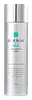
This calming toner is formulated around Centella Asiatica Extract to calm redness and strengthen the skin barrier.
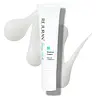
This barrier-repair moisturizer is formulated around Niacinamide and Panthenol to strengthen the skin barrier and hydrate skin.

What's inside
What's inside
 Key Ingredients
Benefits
Concerns
Ingredients Side-by-side
Hydrolyzed DNA
Skin ConditioningMelaleuca Alternifolia Leaf Extract
Perfuming
Biosaccharide Gum-4
Skin Conditioning
Water
Skin ConditioningPropanediol
Solvent
Locked Nucleic Acid-1
Skin ConditioningPortulaca Oleracea Extract
Skin Conditioning

Trehalose
Humectant
Centella Asiatica Extract
Cleansing

Ficus Carica Fruit Extract
Humectant
Calendula Officinalis Flower Extract
Masking
Hydrogenated Lecithin
Emulsifying
Betaine
Humectant
C12-14 Pareth-12
EmulsifyingSodium Citrate
BufferingCitric Acid
Buffering


Disodium EDTA
ChelatingGluconolactone
Chelating



Ceramide NP
Skin Conditioning
Parfum
Masking


Ethylhexylglycerin
Skin ConditioningButylphenyl Methylpropional
Perfuming
Linalool
Perfuming
Alpha-Isomethyl Ionone
Perfuming
Limonene
Perfuming
Hydrolyzed DNA, Melaleuca Alternifolia Leaf Extract, Biosaccharide Gum-4, Water, Propanediol, Locked Nucleic Acid-1, Portulaca Oleracea Extract, Trehalose, Centella Asiatica Extract, Ficus Carica Fruit Extract, Calendula Officinalis Flower Extract, Hydrogenated Lecithin, Betaine, C12-14 Pareth-12, Sodium Citrate, Citric Acid, Disodium EDTA, Gluconolactone, Ceramide NP, Parfum, Ethylhexylglycerin, Butylphenyl Methylpropional, Linalool, Alpha-Isomethyl Ionone, Limonene
Water
Skin ConditioningGlycerin
Humectant
Butylene Glycol
Humectant
Caprylic/Capric Triglyceride
Masking
Niacinamide
Smoothing

Panthenol
Skin Conditioning
Squalane
Emollient
Aloe Barbadensis Leaf Juice
Skin Conditioning
Glyceryl Stearate
Emollient
Butyrospermum Parkii Butter
Skin Conditioning

Hydrogenated Olive Oil Stearyl Esters
Emulsion Stabilising
Cucumis Sativus Fruit
Skin Conditioning
Cucumis Sativus Fruit Extract
Emollient
Avena Sativa Kernel Extract
Abrasive

Calendula Officinalis Extract
Skin Conditioning
Cetearyl Alcohol
Emollient
Lavandula Angustifolia Flower Water
Skin Conditioning
Carbomer
Emulsion StabilisingTromethamine
BufferingDipropylene Glycol
HumectantCaprylyl Glycol
Emollient
Ethylhexyl Olivate
Skin Conditioning
Hydroxyacetophenone
Antioxidant
Hydrolyzed DNA
Skin ConditioningSodium Acrylates Copolymer
Ceramide NP
Skin Conditioning
1,2-Hexanediol
Skin Conditioning
Polyglyceryl-4 Oleate
Emulsifying
Acrylates/C10-30 Alkyl Acrylate Crosspolymer
Emulsion StabilisingHydrolyzed Hyaluronic Acid
Humectant
Disodium EDTA
ChelatingAdenosine
Skin Conditioning
Laminaria Ochroleuca Extract
Skin Conditioning
Cholesterol
Emollient
Hydrogenated Ethylhexyl Olivate
EmollientPalmitic Acid
Emollient
Hydrogenated Olive Oil Unsaponifiables
Emollient
Dipotassium Glycyrrhizate
Humectant
Water, Glycerin, Butylene Glycol, Caprylic/Capric Triglyceride, Niacinamide, Panthenol, Squalane, Aloe Barbadensis Leaf Juice, Glyceryl Stearate, Butyrospermum Parkii Butter, Hydrogenated Olive Oil Stearyl Esters, Cucumis Sativus Fruit, Cucumis Sativus Fruit Extract, Avena Sativa Kernel Extract, Calendula Officinalis Extract, Cetearyl Alcohol, Lavandula Angustifolia Flower Water, Carbomer, Tromethamine, Dipropylene Glycol, Caprylyl Glycol, Ethylhexyl Olivate, Hydroxyacetophenone, Hydrolyzed DNA, Sodium Acrylates Copolymer, Ceramide NP, 1,2-Hexanediol, Polyglyceryl-4 Oleate, Acrylates/C10-30 Alkyl Acrylate Crosspolymer, Hydrolyzed Hyaluronic Acid, Disodium EDTA, Adenosine, Laminaria Ochroleuca Extract, Cholesterol, Hydrogenated Ethylhexyl Olivate, Palmitic Acid, Hydrogenated Olive Oil Unsaponifiables, Dipotassium Glycyrrhizate
Reviews
Ingredients Explained
These ingredients are found in both products.
Ingredients higher up in an ingredient list are typically present in a larger amount.
Ceramide NP (formerly known as Ceramide 3) is one of the skin's naturally occurring lipids.
Since ceramides are the major lipid components of the skin, they are crucial for maintaining skin barrier and hydration. Ceramide NP most closely mirrors the dominant kind in human skin amongst ceramide subtypes.
This ceramide works by slotting into gaps within the stratum corneum's lipid matrix to limit trans-epidermal water loss (TEWL) and shield the skin against external irritants.
A study with 312 patients found that using a ceramide-containing routine for 4 weeks reduced the severity of atopic dermatitis by over 61%.
Another clinical study in subjects aged 60 and older found that a ceramide body wash and moisturizer improved skin dryness and itchy skin in 15 days.
Overall, ceramides are considered non-irritating and safety tests have found little to no observable adverse effects from using this ingredient.
Ceramide NP is usually sourced from plants (like soybean or rice bran), or produced synthetically.
Learn more about Ceramide NPDisodium EDTA is a chelating agent. It grabs onto and deactivates metal ions that sneak into your products from water, packaging, or air.
This ingredient mainly works behind the scenes and helps with:
On top of that, this ingredient can counteract the effects of hard water by binding to the minerals in it.
One thing worth knowing is that Disodium EDTA has been shown to be a mild penetration enhancer. It can help other ingredients absorb into skin more effectively which can be a double-edged sword (great for actives, but can also make the active too strong if you have sensitive skin).
Clinical patch testing showed no significant skin irritation at typical use concentrations and minimal dermal absorption.
You'll most likely see this ingredient near the end of an ingredient list. It's typically found in concentrations less than 1%.
Learn more about Disodium EDTAWe don't have a description for Hydrolyzed Dna yet.
Water. It's the most common cosmetic ingredient of all. You'll usually see it at the top of ingredient lists, meaning that it makes up the largest part of the product.
So why is it so popular? Water most often acts as a solvent - this means that it helps dissolve other ingredients into the formulation.
You'll also recognize water as that liquid we all need to stay alive. If you see this, drink a glass of water. Remember to stay hydrated!
Learn more about Water

