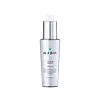
This anti-aging ampoule is formulated around Niacinamide and Glycyrrhiza Glabra Root Extract to soften the look of wrinkles and strengthen the skin barrier.
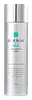
This calming toner is formulated around Centella Asiatica Extract to calm redness and strengthen the skin barrier.

What's inside
What's inside
 Key Ingredients
Benefits
Concerns
Ingredients Side-by-side
Water
Skin ConditioningButylene Glycol
Humectant

PEG-8
HumectantNiacinamide
Smoothing










Glycereth-26
Humectant
Glycerin
Humectant
1,2-Hexanediol
Skin Conditioning
Glycyrrhiza Glabra Root Extract
Bleaching
Vaccinium Angustifolium Fruit Extract
Skin Protecting
Calendula Officinalis Flower Extract
Masking
Aloe Barbadensis Leaf Juice
Skin Conditioning
Hydrolyzed DNA
Skin ConditioningSodium Hyaluronate
Humectant
Polysorbate 20
Emulsifying

Tocopheryl Acetate
Antioxidant

Bisabolol
Antioxidant
Acrylates/C10-30 Alkyl Acrylate Crosspolymer
Emulsion StabilisingXanthan Gum
EmulsifyingAdenosine
Skin Conditioning
Ethylhexylglycerin
Skin ConditioningSodium Hydroxide
BufferingWater, Butylene Glycol, PEG-8, Niacinamide, Glycereth-26, Glycerin, 1,2-Hexanediol, Glycyrrhiza Glabra Root Extract, Vaccinium Angustifolium Fruit Extract, Calendula Officinalis Flower Extract, Aloe Barbadensis Leaf Juice, Hydrolyzed DNA, Sodium Hyaluronate, Polysorbate 20, Tocopheryl Acetate, Bisabolol, Acrylates/C10-30 Alkyl Acrylate Crosspolymer, Xanthan Gum, Adenosine, Ethylhexylglycerin, Sodium Hydroxide
Hydrolyzed DNA
Skin ConditioningMelaleuca Alternifolia Leaf Extract
Perfuming
Biosaccharide Gum-4
Skin Conditioning
Water
Skin ConditioningPropanediol
Solvent
Locked Nucleic Acid-1
Skin ConditioningPortulaca Oleracea Extract
Skin Conditioning
Trehalose
Humectant
Centella Asiatica Extract
Cleansing
Ficus Carica Fruit Extract
Humectant
Calendula Officinalis Flower Extract
Masking
Hydrogenated Lecithin
Emulsifying
Betaine
Humectant
C12-14 Pareth-12
EmulsifyingSodium Citrate
BufferingCitric Acid
Buffering
Disodium EDTA
Gluconolactone
Skin Conditioning
Ceramide NP
Skin Conditioning
Parfum
Masking


Ethylhexylglycerin
Skin ConditioningButylphenyl Methylpropional
Perfuming
Linalool
Perfuming
Alpha-Isomethyl Ionone
Perfuming
Limonene
Perfuming
Hydrolyzed DNA, Melaleuca Alternifolia Leaf Extract, Biosaccharide Gum-4, Water, Propanediol, Locked Nucleic Acid-1, Portulaca Oleracea Extract, Trehalose, Centella Asiatica Extract, Ficus Carica Fruit Extract, Calendula Officinalis Flower Extract, Hydrogenated Lecithin, Betaine, C12-14 Pareth-12, Sodium Citrate, Citric Acid, Disodium EDTA, Gluconolactone, Ceramide NP, Parfum, Ethylhexylglycerin, Butylphenyl Methylpropional, Linalool, Alpha-Isomethyl Ionone, Limonene
Reviews
Ingredients Explained
These ingredients are found in both products.
Ingredients higher up in an ingredient list are typically present in a larger amount.
Calendula Officinalis Flower Extract comes from the marigold flower and has been used on skin for centuries for its calming effect.
In the lab, its active compounds appear to calm inflammation and support the early "healing" phase of minor wounds.
This is why Europe's medicines regulator has approved calendula extracts as a traditional remedy for minor skin inflammation and healing small wounds.
The stronger human evidence is around would/ulcer care rather than everyday cosmetic claims; a review that pulled together 14 studies found that calendula helped calm the early, inflamed stage of a wound and helped new skin tissue form faster.
Two studies also showed it shrank leg ulcers (the kind caused by poor circulation). Results were mixed for burns and for the skin irritation people get from radiation treatment, so it's not a sure thing there.
In cosmetics, it's mostly a skin conditioning and soothing agent.
The Cosmetic Ingredient Review panel concluded that calendula-derived ingredients are safe as used and that the ingredients are not irritating, sensitizing, or photosensitizing in clinical tests (though they may be mild eye irritants).
Typical use levels are quite low; industry data reported it used at under 0.5% (one supplier noted a 10-25% extract blend used at 1-10% in the finished product). Historical use goes up to 10%.
The only thing to keep in mind is if you have daisy/ragweed allergies. Calendula is in the same family and one patch-test study found 2% of dermatitis patients reacted to marigold. Be sure to patch test if you have sensitive or allergy-prone skin.
Learn more about Calendula Officinalis Flower ExtractEthylhexylglycerin is created from glycerin. It is a multitasker ingredient that:
The CIR Expert Panel found minimal skin absorption or sensitization of any kind in a safety assessment. Though this ingredient is considered well-tolerated, a small number of cases of allergic dermatitis have been published since 2002. Just be sure to patch test if you are unsure.
Industry-reported use ranges from 8% in rinse-off products and 2% in leave-on formulations.
Learn more about EthylhexylglycerinWe don't have a description for Hydrolyzed Dna yet.
Water. It's the most common cosmetic ingredient of all. You'll usually see it at the top of ingredient lists, meaning that it makes up the largest part of the product.
So why is it so popular? Water most often acts as a solvent - this means that it helps dissolve other ingredients into the formulation.
You'll also recognize water as that liquid we all need to stay alive. If you see this, drink a glass of water. Remember to stay hydrated!
Learn more about Water

