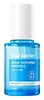
This calming ampoule is formulated around Niacinamide and Panthenol to calm redness and hydrate skin.
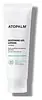
This calming moisturizer is formulated around Anthemis Nobilis Flower Extract and Azulene to calm redness.

What's inside
What's inside
 Key Ingredients
Benefits
Concerns
Ingredients Side-by-side
Water
Skin ConditioningDipropylene Glycol
HumectantNiacinamide
Smoothing











1,2-Hexanediol
Skin Conditioning
Glycerin
Humectant
Methyl Gluceth-20
Humectant
Hydrolyzed Hyaluronic Acid
Humectant
Acrylates/C10-30 Alkyl Acrylate Crosspolymer
Emulsion StabilisingArginine
Masking
Allantoin
Skin Conditioning
Panthenol
Skin Conditioning
Sodium Hyaluronate
Humectant
Adenosine
Skin Conditioning
Pentylene Glycol
Skin Conditioning
Polyglyceryl-10 Laurate
Skin Conditioning

Xanthan Gum
EmulsifyingMelia Azadirachta Leaf Extract
Skin ConditioningMelia Azadirachta Flower Extract
Skin ConditioningAnthemis Nobilis Flower Extract
Masking
Tanacetum Annuum Flower Oil
Masking
Azulene
Skin Conditioning
Madecassoside
Antioxidant
Sodium Hyaluronate Crosspolymer
Humectant
Coccinia Indica Fruit Extract
Skin Conditioning
Xylitol
Humectant
Erythritol
Humectant
Citrus Aurantium Bergamia Fruit Oil
Masking

Hyaluronic Acid
Humectant
Solanum Melongena Fruit Extract
Skin ConditioningAloe Barbadensis Flower Extract
EmollientSodium Acetylated Hyaluronate
Humectant
Hydroxypropyltrimonium Hyaluronate
Thymus Mastichina Flower Oil
Skin Conditioning
Myristoyl/Palmitoyl Oxostearamide/Arachamide Mea
Skin ConditioningLinoleic Acid
Cleansing
Phytosterols
Skin Conditioning
Centella Asiatica Extract
Cleansing
Ocimum Sanctum Leaf Extract
Skin ConditioningLitsea Cubeba Fruit Oil
Masking
Curcuma Longa Root Extract
Antioxidant
Corallina Officinalis Extract
Skin Conditioning

Hydrolyzed Sodium Hyaluronate
Skin Conditioning
Hydroxyacetophenone
Antioxidant
Water, Dipropylene Glycol, Niacinamide, 1,2-Hexanediol, Glycerin, Methyl Gluceth-20, Hydrolyzed Hyaluronic Acid, Acrylates/C10-30 Alkyl Acrylate Crosspolymer, Arginine, Allantoin, Panthenol, Sodium Hyaluronate, Adenosine, Pentylene Glycol, Polyglyceryl-10 Laurate, Xanthan Gum, Melia Azadirachta Leaf Extract, Melia Azadirachta Flower Extract, Anthemis Nobilis Flower Extract, Tanacetum Annuum Flower Oil, Azulene, Madecassoside, Sodium Hyaluronate Crosspolymer, Coccinia Indica Fruit Extract, Xylitol, Erythritol, Citrus Aurantium Bergamia Fruit Oil, Hyaluronic Acid, Solanum Melongena Fruit Extract, Aloe Barbadensis Flower Extract, Sodium Acetylated Hyaluronate, Hydroxypropyltrimonium Hyaluronate, Thymus Mastichina Flower Oil, Myristoyl/Palmitoyl Oxostearamide/Arachamide Mea, Linoleic Acid, Phytosterols, Centella Asiatica Extract, Ocimum Sanctum Leaf Extract, Litsea Cubeba Fruit Oil, Curcuma Longa Root Extract, Corallina Officinalis Extract, Hydrolyzed Sodium Hyaluronate, Hydroxyacetophenone
Water
Skin ConditioningButylene Glycol
Humectant
Glycerin
Humectant
Pentaerythrityl Stearate/Caprate/Caprylate/Adipate
Emollient1,2-Hexanediol
Skin Conditioning
Cetearyl Alcohol
Emollient


Ammonium Acryloyldimethyltaurate/Vp Copolymer
Caprylic/Capric Glycerides
EmollientGlyceryl Stearate Citrate
Emollient
Sorbitan Stearate
Emulsifying
Stearic Acid
Cleansing
Carbomer
Emulsion StabilisingMyristoyl/Palmitoyl Oxostearamide/Arachamide Mea
Skin ConditioningSea Water
HumectantPhytosterols
Skin Conditioning
Helianthus Annuus Seed Oil
Emollient
Palmitoyl Palmitamide Mea
HumectantBis-Capryloyloxypalmitamido Isopropanol
EmollientN-Decanoyl Serinol
Antioxidant
Sodium Hyaluronate
Humectant
Tanacetum Annuum Flower Oil
Masking
Anthemis Nobilis Flower Extract
Masking
Salvia Officinalis Oil
Masking
Pogostemon Cablin Leaf Oil
Masking
Elettaria Cardamomum Seed Oil
Masking
Mentha Arvensis Leaf Oil
Masking
Anthemis Nobilis Flower Oil
Masking
Juniperus Mexicana Oil
Masking
Leucine
Skin ConditioningAzulene
Skin Conditioning
Lysine
Skin ConditioningPhenylalanine
Masking
Threonine
Valine
MaskingWater, Butylene Glycol, Glycerin, Pentaerythrityl Stearate/Caprate/Caprylate/Adipate, 1,2-Hexanediol, Cetearyl Alcohol, Ammonium Acryloyldimethyltaurate/Vp Copolymer, Caprylic/Capric Glycerides, Glyceryl Stearate Citrate, Sorbitan Stearate, Stearic Acid, Carbomer, Myristoyl/Palmitoyl Oxostearamide/Arachamide Mea, Sea Water, Phytosterols, Helianthus Annuus Seed Oil, Palmitoyl Palmitamide Mea, Bis-Capryloyloxypalmitamido Isopropanol, N-Decanoyl Serinol, Sodium Hyaluronate, Tanacetum Annuum Flower Oil, Anthemis Nobilis Flower Extract, Salvia Officinalis Oil, Pogostemon Cablin Leaf Oil, Elettaria Cardamomum Seed Oil, Mentha Arvensis Leaf Oil, Anthemis Nobilis Flower Oil, Juniperus Mexicana Oil, Leucine, Azulene, Lysine, Phenylalanine, Threonine, Valine
Ingredients Explained
These ingredients are found in both products.
Ingredients higher up in an ingredient list are typically present in a larger amount.
1,2-Hexanediol is a synthetic liquid and another multi-functional powerhouse.
It is a:
- Humectant, drawing moisture into the skin
- Emollient, helping to soften skin
- Solvent, dispersing and stabilizing formulas
- Preservative booster, enhancing the antimicrobial activity of other preservatives
Anthemis Nobilis Flower Extract is from the Roman Chamomile flower. It helps soothe the skin and contains antioxidants.
Azulene comes from chamomile oil. It is a blue pigment with skin soothing properties, great for fighting inflammation.
Glycerin (or glycerol) is a compound naturally found in your skin. It's a powerhouse humectant that pulls water into the stratum corneum.
Topically, glycerin does several things at once:
Your skin makes glycerin on its own (mostly from sebaceous oil breakdown) and shuttles it to your outermost layer of skin, or your epidermis, via aquaporin-3.
Aquaporin-3 is a transporter that is essential for normal skin hydration, elasticity, and repair. Interestingly, mice lacking in AQP3 have dry and less elastic skin that can be fully corrected with glycerin.
This ingredient is non-irritating, plays well with almost every ingredient, and works across all skin types. Typical use is anywhere between 3-10% but can go up to 79% in some leave-on products.
Just know very high concentrations (>40%) can feel tacky in low humidity.
Glycerin is the name for this ingredient in American English. British English uses Glycerol/Glycerine.
Learn more about GlycerinMyristoyl/Palmitoyl Oxostearamide/Arachamide Mea (M/PO/AM) is a synthetic pseudoceramide; it's basically a lab-made ingredient designed to mimic the ceramides that your skin naturally produces.
What makes this ingredient special? It is connected to something called multi-lamellar emulsion (MLE) technology.
Your skin's outermost layer (stratum corneum) is often described as a "brick wall" where skin cells are bricks and lipids hold everything together. Your lipids are Ceramides, Cholesterol, and free fatty acids.
These fatty acids are not just randomly squished together. They're arranged in very specific layered (lamellar) structures. Your barrier suffers when the layer structure gets disrupted from things like eczema, harsh weather, or over-exfoliating.
M/PO/AM is formulated within MLE technology to closely replicate your skin's natural layers, setting it apart from other ceramides.
The research behind M/PO/AM is pretty solid for eczema, aka atopic dermatitis. A 2003 study on children with eczema found that an MLE cream containing M/PO/AM outperformed a standard urea-based moisturizer. The study also found a 31-35% decrease in severity index compared to smaller improvements from the control cream.
Recently, a 2024 trial found that combining M/PO/AM with topical corticosteroid led to better outcomes than using the steroid alone. The trial noted improvements in skin hydration, dryness, itching, and quality of life scores.
Research has also shown that M/PO/AM can help reduce barrier-damaging side effects of long term topical steroid use.
This ingredient also goes by the trade name PC-9S. No notable allergy concerns have been flagged for this ingredient in the published literature.
Learn more about Myristoyl/Palmitoyl Oxostearamide/Arachamide MeaPhytosterols are plant-derived sterols (you can think of them as the plant world's version of cholesterol). In cosmetics, this ingredient is usually sourced from soybean, rice bran, shea, sunflower, and other seed oils.
The main actors in this group are β-sitosterol, campesterol, and stigmasterol (the CIR covers 27 phytosterols).
They work by fitting perfectly into your stratum corneum's lipid matrix since they're structurally similar to cholesterol. Here, they reinforce your skin's barrier.
One small in vivo human study showed topical soybean phytosterols sped up barrier recovery within three days on tape-stripped skin.
Broader research credits them with:
Formulation use typically sit under 5%.
Testing in soy-allergic subjects found no sensitization signals, but be sure to patch test if you are unsure or have existing allergies.
Learn more about PhytosterolsSodium Hyaluronate is the salt form of hyaluronic acid. It is a long sugar chain that is naturally found in your skin, joints, and connective tissue that maintains hydration and elasticity.
In skincare, it works as a humectant. It pulls water from the environment and deeper layers of skin and binds it to the surface.
Interestingly, the size of the molecule affects its behavior:
Some clinical evidence links low molecular weight versions to improved wrinkle depth, elasticity, anti-inflammatory effects, and barrier repair.
Many serums use a blend of both weights so you can get surface hydration plus longer-lasting and deeper effects.
You'll typically see concentrations between 0.1-2% for this ingredient.
Learn more about Sodium HyaluronateBlue tansy is a blue flower native to the Mediterranean. It has antioxidant, skin cooling, and perfuming properties.
This ingredient is currently being studied for its antifungal properties. While it does have antioxidant benefits - it may not be the best for sensitive skin (despite being advertised as so).
The cooling effect from blue tansy comes from its camphor content. Camphor is known to induce irritation in concentrations higher than 11%. It also contains another skin irritant, beta-pinene.
Learn more about Tanacetum Annuum Flower OilWater. It's the most common cosmetic ingredient of all. You'll usually see it at the top of ingredient lists, meaning that it makes up the largest part of the product.
So why is it so popular? Water most often acts as a solvent - this means that it helps dissolve other ingredients into the formulation.
You'll also recognize water as that liquid we all need to stay alive. If you see this, drink a glass of water. Remember to stay hydrated!
Learn more about Water

