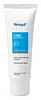
This chemical sunscreen covers the full UV range and blocks ~98% of UVB at SPF 50.
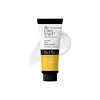
This chemical sunscreen covers the full UV range and blocks ~98% of UVB at SPF 55.

What's inside
What's inside
 Key Ingredients
Benefits
Concerns
Ingredients Side-by-side
Water
Skin ConditioningCoco-Caprylate/Caprate
Emollient
Disodium Acetyl Glucosamine Phosphate
Skin ConditioningC13-15 Alkane
SolventNeopentyl Glycol Diheptanoate
EmollientGlycerin
Humectant


Diisopropyl Sebacate
EmollientMethylene Bis-Benzotriazolyl Tetramethylbutylphenol
UV Filter
Xylitylglucoside
Humectant
Diethylhexyl Butamido Triazone
UV Absorber
C20-22 Alkyl Phosphate
EmulsifyingCaprylhydroxamic Acid
ChelatingDimethicone
Emollient
Bis-Ethylhexyloxyphenol Methoxyphenyl Triazine
UV Absorber
Hydroxyethyl Acrylate/Sodium Acryloyldimethyl Taurate Copolymer
Emulsion StabilisingButylene Glycol
Humectant
Prunus Yedoensis Leaf Extract
Skin ConditioningHydrogenated Rapeseed Oil
Emollient


Caprylyl/Capryl Glucoside
CleansingAcacia Senegal Gum
MaskingPolyacrylate Crosspolymer-6
Emulsion StabilisingTrisodium Ethylenediamine Disuccinate
ChelatingArachidyl/Behenyl Alcohol
EmulsifyingXanthan Gum
EmulsifyingSodium Hydroxide
BufferingWater, Coco-Caprylate/Caprate, Disodium Acetyl Glucosamine Phosphate, C13-15 Alkane, Neopentyl Glycol Diheptanoate, Glycerin, Diisopropyl Sebacate, Methylene Bis-Benzotriazolyl Tetramethylbutylphenol, Xylitylglucoside, Diethylhexyl Butamido Triazone, C20-22 Alkyl Phosphate, Caprylhydroxamic Acid, Dimethicone, Bis-Ethylhexyloxyphenol Methoxyphenyl Triazine, Hydroxyethyl Acrylate/Sodium Acryloyldimethyl Taurate Copolymer, Butylene Glycol, Prunus Yedoensis Leaf Extract, Hydrogenated Rapeseed Oil, Caprylyl/Capryl Glucoside, Acacia Senegal Gum, Polyacrylate Crosspolymer-6, Trisodium Ethylenediamine Disuccinate, Arachidyl/Behenyl Alcohol, Xanthan Gum, Sodium Hydroxide
Water
Skin ConditioningC12-15 Alkyl Benzoate
AntimicrobialDiethylamino Hydroxybenzoyl Hexyl Benzoate
UV Filter
Ethylhexyl Triazone
UV Absorber
Bis-Ethylhexyloxyphenol Methoxyphenyl Triazine
UV Absorber
Phospholipids
Skin Conditioning
Polysorbate 80
Emulsifying
Butylene Glycol
Humectant
Glycerin
Humectant
Methylene Bis-Benzotriazolyl Tetramethylbutylphenol
UV Filter
Decyl Glucoside
Cleansing
Propylene Glycol
Humectant
Xanthan Gum
EmulsifyingEthylhexyl Salicylate
UV Absorber
Cetearyl Olivate
Sorbitan Olivate
Emulsifying
Coco-Caprylate/Caprate
Emollient
Polyglyceryl-2 Isostearate/Dimer Dilinoleate Copolymer
EmollientSqualane
Emollient
Butyloctyl Salicylate
Skin Conditioning
Sodium Carbomer
Emulsion StabilisingGlyceryl Dibehenate
Emollient
Phenoxyethanol
Preservative
Ethylhexylglycerin
Skin ConditioningHydrated Silica
Abrasive
Sodium Gluconate
ChelatingDehydroxanthan Gum
Emulsion StabilisingAcrylates/C10-30 Alkyl Acrylate Crosspolymer
Emulsion StabilisingTriethanolamine
BufferingWater, C12-15 Alkyl Benzoate, Diethylamino Hydroxybenzoyl Hexyl Benzoate, Ethylhexyl Triazone, Bis-Ethylhexyloxyphenol Methoxyphenyl Triazine, Phospholipids, Polysorbate 80, Butylene Glycol, Glycerin, Methylene Bis-Benzotriazolyl Tetramethylbutylphenol, Decyl Glucoside, Propylene Glycol, Xanthan Gum, Ethylhexyl Salicylate, Cetearyl Olivate, Sorbitan Olivate, Coco-Caprylate/Caprate, Polyglyceryl-2 Isostearate/Dimer Dilinoleate Copolymer, Squalane, Butyloctyl Salicylate, Sodium Carbomer, Glyceryl Dibehenate, Phenoxyethanol, Ethylhexylglycerin, Hydrated Silica, Sodium Gluconate, Dehydroxanthan Gum, Acrylates/C10-30 Alkyl Acrylate Crosspolymer, Triethanolamine
Reviews
Ingredients Explained
These ingredients are found in both products.
Ingredients higher up in an ingredient list are typically present in a larger amount.
This ingredient is better known as bemotrizinol or Tinosorb S and is one of the best broad-spectrum UV filters in modern sunscreen.
It works by absorbing UV light across a whole range (280-400 nm) with peaks around 310 nm (UVB) and 340-345 nm (UVA). This means it covers UVB plus the deeper UVA wavelengths that drive photoaging and pigmentation.
Another pro?
It's exceptionally photostable, barely degrades in sunlight, and acts as a "bodyguard" for less stable filters.
That's why you'll see it paired with avobenzone or octinoxate; this team up ensures they keep working through sun exposure.
Safety reviews have been reassuring across the board. This ingredient shows low absorption through the skin, rarely irritates, and lab studies found it doesn't act like a hormone in the body (a concern that's been raised about some older sunscreen filters).
On maximum concentrations:
In 2026, the US F.D.A finally added it as an OTC sunscreen ingredient at concentrations up to 6% for adults / children 6 months and older
Learn more about Bis-Ethylhexyloxyphenol Methoxyphenyl TriazineButylene Glycol (or BG) is used within cosmetic products for a few different reasons:
Overall, Butylene Glycol is a safe and well-rounded ingredient that works well with other ingredients.
Though this ingredient works well with most skin types, some people with sensitive skin may experience a reaction such as allergic rashes, closed comedones, or itchiness.
Learn more about Butylene GlycolCoco-Caprylate/Caprate is a lightweight ester created from coconut oil fatty acids, caprylic acid, and capric acid.
It is an emollient that helps soften skin and reduce transepidermal water loss (TEWL). What sets it apart from heavier emollients is its ultralight, non-greasy feel.
Once applied, this ingredient dries down quickly and leaves a dry, silky finish behind. This also helps improve spreadability and texture.
This ingredient has an excellent safety-record and is non-irritating.
Typical concentrations for cosmetics range from 0.5-62%.
Research on Malassezia growth found no growth on fatty acid esters with chain lengths shorter than 12 carbons (it prefers C11-24).
Since Coco-Caprylate/Caprate is built on C8 and C10 fatty acids, it is out of the range that Malassezia metabolizes, and therefore safe for fungal acne.
Learn more about Coco-Caprylate/CaprateGlycerin (or glycerol) is a compound naturally found in your skin. It's a powerhouse humectant that pulls water into the stratum corneum.
Topically, glycerin does several things at once:
Your skin makes glycerin on its own (mostly from sebaceous oil breakdown) and shuttles it to your outermost layer of skin, or your epidermis, via aquaporin-3.
Aquaporin-3 is a transporter that is essential for normal skin hydration, elasticity, and repair. Interestingly, mice lacking in AQP3 have dry and less elastic skin that can be fully corrected with glycerin.
This ingredient is non-irritating, plays well with almost every ingredient, and works across all skin types. Typical use is anywhere between 3-10% but can go up to 79% in some leave-on products.
Just know very high concentrations (>40%) can feel tacky in low humidity.
Glycerin is the name for this ingredient in American English. British English uses Glycerol/Glycerine.
Learn more about GlycerinThis ingredient is also known as Tinosorb M or Bisoctrizole and is a bit of an overachiever in the sunscreen world.
It's a hybrid broad-spectrum filter that covers UVA and UVB (~280-400nm) with peak absorption around 305nm for UVB or 360nm for UVA (and a tiny bit in blue-light territory as well).
One of its best party tricks is photostability; it doesn't break down with repeated sun exposure and doesn't generate free radicals in the process either. You'll also see it paired with wobbly filters like avobenzone because it helps stabilize them.
The safety profile is assuring as well. Because it's a large molecule, it doesn't easily absorb into skin and rarely causes irritation.
It's approved in the EU, Asia, and Australia up to 10% and most formulas land somewhere in the 2-10% range.
You won't find it as a sunscreen active in the US, but it can make an appearance as a formula-protecting UV-absorber.
Learn more about Methylene Bis-Benzotriazolyl TetramethylbutylphenolWater. It's the most common cosmetic ingredient of all. You'll usually see it at the top of ingredient lists, meaning that it makes up the largest part of the product.
So why is it so popular? Water most often acts as a solvent - this means that it helps dissolve other ingredients into the formulation.
You'll also recognize water as that liquid we all need to stay alive. If you see this, drink a glass of water. Remember to stay hydrated!
Learn more about WaterXanthan gum is used as a stabilizer and thickener within cosmetic products. It helps give products a sticky, thick feeling - preventing them from being too runny.
On the technical side of things, xanthan gum is a polysaccharide - a combination consisting of multiple sugar molecules bonded together.
Xanthan gum is a pretty common and great ingredient. It is a natural, non-toxic, non-irritating ingredient that is also commonly used in food products.
Learn more about Xanthan Gum

