
What's inside
What's inside
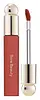 Key Ingredients
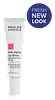
Benefits
Concerns
Ingredients Side-by-side
Water
Skin ConditioningDiphenyl Dimethicone
Emollient
Diisostearyl Malate
EmollientBis-Diglyceryl Polyacyladipate-2
Emollient


Octyldodecanol
Emollient
Glycerin
Humectant

Bis-Behenyl/Isostearyl/Phytosteryl Dimer Dilinoleyl Dimer Dilinoleate
EmollientHydrogenated Polyisobutene
EmollientDipropylene Glycol
HumectantCetyl PEG/PPG-10/1 Dimethicone
Emulsifying
Sorbitan Isostearate
Emulsifying
Polysorbate 60
Emulsifying
Pentylene Glycol
Skin Conditioning
Phenoxyethanol
Preservative
Hydroxyethyl Acrylate/Sodium Acryloyldimethyl Taurate Copolymer
Emulsion StabilisingMenthoxypropanediol
Masking
Ceteareth-20
Cleansing

Squalane
Emollient
Parfum
Masking

Simmondsia Chinensis Seed Oil
Emollient
Stevioside
MaskingHelianthus Annuus Seed Oil
Emollient
Ethylhexylglycerin
Skin ConditioningNymphaea Odorata Root Extract
RefreshingGardenia Florida Fruit Extract
Skin ConditioningNelumbo Nucifera Flower Extract
Skin ConditioningPentaerythrityl Tetra-Di-T-Butyl Hydroxyhydrocinnamate
Antioxidant
Benzyl Salicylate
Perfuming
Limonene
Perfuming
Eugenol
Perfuming
CI 77891
Cosmetic ColorantCI 15985
Cosmetic ColorantCI 17200
Cosmetic ColorantCI 45410
Cosmetic ColorantCI 42090
Cosmetic ColorantWater, Diphenyl Dimethicone, Diisostearyl Malate, Bis-Diglyceryl Polyacyladipate-2, Octyldodecanol, Glycerin, Bis-Behenyl/Isostearyl/Phytosteryl Dimer Dilinoleyl Dimer Dilinoleate, Hydrogenated Polyisobutene, Dipropylene Glycol, Cetyl PEG/PPG-10/1 Dimethicone, Sorbitan Isostearate, Polysorbate 60, Pentylene Glycol, Phenoxyethanol, Hydroxyethyl Acrylate/Sodium Acryloyldimethyl Taurate Copolymer, Menthoxypropanediol, Ceteareth-20, Squalane, Parfum, Simmondsia Chinensis Seed Oil, Stevioside, Helianthus Annuus Seed Oil, Ethylhexylglycerin, Nymphaea Odorata Root Extract, Gardenia Florida Fruit Extract, Nelumbo Nucifera Flower Extract, Pentaerythrityl Tetra-Di-T-Butyl Hydroxyhydrocinnamate, Benzyl Salicylate, Limonene, Eugenol, CI 77891, CI 15985, CI 17200, CI 45410, CI 42090
Homosalate 5%
Skin Conditioning

Ethylhexyl Salicylate 5%
UV Absorber
Butyl Methoxydibenzoylmethane 3%
UV Absorber
Octocrylene 2.5%
UV Absorber
Polybutene
Octyldodecanol
Emollient
Ethylhexyl Palmitate
Emollient
Cera Microcristallina
Emulsion StabilisingPolyethylene
Abrasive
Polyglyceryl-2 Tetraisostearate
EmollientCocos Nucifera Oil
Masking
Aroma
Silica Silylate
Emollient
Adenosine
Skin Conditioning
Retinyl Palmitate
Skin Conditioning


Lecithin
Emollient
Tocopherol
Antioxidant

Tocopheryl Acetate
Antioxidant
Isononyl Isononanoate
EmollientIsopropyl Titanium Triisostearate
Emollient
Stearalkonium Hectorite
Gel FormingIsopropyl Myristate
Emollient
Propylene Carbonate
SolventPolyhydroxystearic Acid
Emulsifying
Silica
Abrasive
CI 15850
Cosmetic ColorantIron Oxides
Titanium Dioxide
Cosmetic Colorant
Tin Oxide
Abrasive
Mica
Cosmetic ColorantPhenoxyethanol
Preservative
CI 77742
Cosmetic ColorantBlue 1 Lake
Cosmetic ColorantCI 15985
Cosmetic ColorantCI 19140
Cosmetic ColorantCI 45380
Cosmetic ColorantCI 45410
Cosmetic ColorantCI 73360
Cosmetic ColorantCI 12085
Cosmetic ColorantCI 16035
Cosmetic ColorantHomosalate 5%, Ethylhexyl Salicylate 5%, Butyl Methoxydibenzoylmethane 3%, Octocrylene 2.5%, Polybutene, Octyldodecanol, Ethylhexyl Palmitate, Cera Microcristallina, Polyethylene, Polyglyceryl-2 Tetraisostearate, Cocos Nucifera Oil, Aroma, Silica Silylate, Adenosine, Retinyl Palmitate, Lecithin, Tocopherol, Tocopheryl Acetate, Isononyl Isononanoate, Isopropyl Titanium Triisostearate, Stearalkonium Hectorite, Isopropyl Myristate, Propylene Carbonate, Polyhydroxystearic Acid, Silica, CI 15850, Iron Oxides, Titanium Dioxide, Tin Oxide, Mica, Phenoxyethanol, CI 77742, Blue 1 Lake, CI 15985, CI 19140, CI 45380, CI 45410, CI 73360, CI 12085, CI 16035
Reviews
Ingredients Explained
These ingredients are found in both products.
Ingredients higher up in an ingredient list are typically present in a larger amount.
Ci 15985 is a dye made from petroleum. It is synthetically created and approved by the FDA for use in foods and cosmetics.
The color of this dye is orange/yellow.
This ingredient can be found in makeup, sun care, and skincare.
Learn more about CI 15985CI 45410 is a synthetic red-pigment and dye.
It often goes by both Red 28 or Red 27; manufacturers label both ingredients as CI 45410.
This dye is commonly found in makeup because it imparts a vivid color. Some types of this dye change color based on pH level and interaction with moisture:
Your skin has a natural pH of around 4.5 - 5.5.
According to the FDA, CI 45410 is not permitted for use in eye products.
Red 27 is a flourescein dye and commonly used as a fluorescent tracer in medicine.
Learn more about CI 45410Octyldodecanol is a fatty alcohol sourced from plant oils like coconut or palm (or made synthetically).
It is:
You'll likely see this in many BHA products because this is the go-to solvent for salicylic acid.
This ingredient is typically used at levels between 2-20%.
Regarding fungal acne:
In 2019, this ingredient was tested against multiple Malassezia species (the yeast that causes fungal acne) and showed no growth.
Phenoxyethanol is one of the most widely used preservatives in skincare (and for good reason!).
It has a large spectrum of antimicrobial activity and especially effective bacteria, yeast, and mold while only having a weak effect on your skin's natural microbiome.
On a cellular level, it disrupts the cell membranes of microbes by poking holes that make the cell leak. This shuts down the chemical reactions the microbe needs to make energy so it can no longer survive.
Another perk of this ingredient is that it stays functional across a wide pH range (3-10).
You'll often see it paired with boosters like Ethylhexylglycerin; one study showed that a 1:9 ratio of Ethylhexylglycerin to Phenoxyethanol damages bacterial membranes as effectively as doubling the Phenoxyethanol concentration on its own.
Typical use concentrations range from 0.3-1% depending on the formula, and this ingredient is capped at 1% int the EU.
Safety-wise, the fear mongering does not hold up to the evidence. The EU's Scientific Committee on Consumer Safety and FDA consider it safe as a preservative at up to 1%, including for children of all ages.
Adverse systemic effects only showed up in animal studies at exposures roughly 200x higher than what people get from cosmetics. And despite its very widespread use, this ingredient is a rare sensitizer and allergic reactions are uncommon.
Learn more about Phenoxyethanol

