

What's inside
What's inside
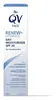 Key Ingredients
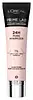
Benefits
Concerns
Ingredients Side-by-side
Water
Skin ConditioningIsopropyl Palmitate
Emollient


C12-15 Alkyl Benzoate
AntimicrobialDiisopropyl Adipate
EmollientPropylene Glycol Dibenzoate
Skin ConditioningNiacinamide
Smoothing











Methylene Bis-Benzotriazolyl Tetramethylbutylphenol
UV Filter
Bis-Ethylhexyloxyphenol Methoxyphenyl Triazine
Skin Conditioning
Neopentyl Glycol Diheptanoate
EmollientGlycerin
Humectant
PEG-100 Stearate
Butylene Glycol
Humectant
Cetyl Alcohol
Emollient

Paraffinum Liquidum
Emollient
Glyceryl Stearate
Emollient
Potassium Cetyl Phosphate
EmulsifyingCarthamus Tinctorius Seed Oil
Masking
Magnesium Aluminum Silicate
Absorbent
Decyl Glucoside
Cleansing
Polyacrylic Acid
Emulsion StabilisingAminomethyl Propanol
BufferingMethylparaben
Preservative



Propylparaben
Preservative
Dichlorobenzyl Alcohol
Antimicrobial
Xanthan Gum
EmulsifyingPropylene Glycol
Humectant
Water, Isopropyl Palmitate, C12-15 Alkyl Benzoate, Diisopropyl Adipate, Propylene Glycol Dibenzoate, Niacinamide, Methylene Bis-Benzotriazolyl Tetramethylbutylphenol, Bis-Ethylhexyloxyphenol Methoxyphenyl Triazine, Neopentyl Glycol Diheptanoate, Glycerin, PEG-100 Stearate, Butylene Glycol, Cetyl Alcohol, Paraffinum Liquidum, Glyceryl Stearate, Potassium Cetyl Phosphate, Carthamus Tinctorius Seed Oil, Magnesium Aluminum Silicate, Decyl Glucoside, Polyacrylic Acid, Aminomethyl Propanol, Methylparaben, Propylparaben, Dichlorobenzyl Alcohol, Xanthan Gum, Propylene Glycol
Water
Skin ConditioningDimethicone
Emollient
Silica
Abrasive
Alcohol Denat.
Antimicrobial


Dimethicone/Vinyl Dimethicone Crosspolymer
Skin Conditioning
Glycerin
Humectant
Butylene Glycol
Humectant
Bis-PEG-18 Methyl Ether Dimethyl Silane
EmollientPEG/PPG/Polybutylene Glycol-8/5/3 Glycerin
HumectantIsopropyl Lauroyl Sarcosinate
Skin ConditioningHydroxyethylpiperazine Ethane Sulfonic Acid
BufferingPolyglyceryl-3 Disiloxane Dimethicone
Skin Conditioning
Silica Silylate
Emollient
Lactic Acid
Buffering
Ammonium Polyacryloyldimethyl Taurate
Emulsion StabilisingPhenoxyethanol
Preservative
Capryloyl Salicylic Acid
Exfoliating
PPG-6-Decyltetradeceth-30
EmulsifyingSodium Hydroxide
BufferingSalicylic Acid
Masking
PEG-20 Methyl Glucose Sesquistearate
Emulsifying
Sodium Polyacrylate
Absorbent
Xanthan Gum
EmulsifyingTrisodium Ethylenediamine Disuccinate
Sodium Citrate
BufferingAdenosine
Skin Conditioning
Tocopherol
Antioxidant

Linalool
Perfuming

CI 14700
Cosmetic ColorantCeramide AP
Skin Conditioning
Water, Dimethicone, Silica, Alcohol Denat., Dimethicone/Vinyl Dimethicone Crosspolymer, Glycerin, Butylene Glycol, Bis-PEG-18 Methyl Ether Dimethyl Silane, PEG/PPG/Polybutylene Glycol-8/5/3 Glycerin, Isopropyl Lauroyl Sarcosinate, Hydroxyethylpiperazine Ethane Sulfonic Acid, Polyglyceryl-3 Disiloxane Dimethicone, Silica Silylate, Lactic Acid, Ammonium Polyacryloyldimethyl Taurate, Phenoxyethanol, Capryloyl Salicylic Acid, PPG-6-Decyltetradeceth-30, Sodium Hydroxide, Salicylic Acid, PEG-20 Methyl Glucose Sesquistearate, Sodium Polyacrylate, Xanthan Gum, Trisodium Ethylenediamine Disuccinate, Sodium Citrate, Adenosine, Tocopherol, Linalool, CI 14700, Ceramide AP
Reviews
Ingredients Explained
These ingredients are found in both products.
Ingredients higher up in an ingredient list are typically present in a larger amount.
Butylene Glycol (or BG) is used within cosmetic products for a few different reasons:
Overall, Butylene Glycol is a safe and well-rounded ingredient that works well with other ingredients.
Though this ingredient works well with most skin types, some people with sensitive skin may experience a reaction such as allergic rashes, closed comedones, or itchiness.
Learn more about Butylene GlycolGlycerin (or glycerol) is a compound naturally found in your skin. It's a powerhouse humectant that pulls water into the stratum corneum.
Topically, glycerin does several things at once:
Your skin makes glycerin on its own (mostly from sebaceous oil breakdown) and shuttles it to your outermost layer of skin, or your epidermis, via aquaporin-3.
Aquaporin-3 is a transporter that is essential for normal skin hydration, elasticity, and repair. Interestingly, mice lacking in AQP3 have dry and less elastic skin that can be fully corrected with glycerin.
This ingredient is non-irritating, plays well with almost every ingredient, and works across all skin types. Typical use is anywhere between 3-10% but can go up to 79% in some leave-on products.
Just know very high concentrations (>40%) can feel tacky in low humidity.
Glycerin is the name for this ingredient in American English. British English uses Glycerol/Glycerine.
Learn more about GlycerinWater. It's the most common cosmetic ingredient of all. You'll usually see it at the top of ingredient lists, meaning that it makes up the largest part of the product.
So why is it so popular? Water most often acts as a solvent - this means that it helps dissolve other ingredients into the formulation.
You'll also recognize water as that liquid we all need to stay alive. If you see this, drink a glass of water. Remember to stay hydrated!
Learn more about WaterXanthan gum is used as a stabilizer and thickener within cosmetic products. It helps give products a sticky, thick feeling - preventing them from being too runny.
On the technical side of things, xanthan gum is a polysaccharide - a combination consisting of multiple sugar molecules bonded together.
Xanthan gum is a pretty common and great ingredient. It is a natural, non-toxic, non-irritating ingredient that is also commonly used in food products.
Learn more about Xanthan Gum
