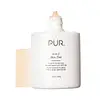
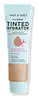
Pur Cosmetics 4-In-1 Skin Tint Mineral Sunscreen Broad Spectrum SPF 50 Versus Wet n Wild Barefocus Tinted Hydrator Tinted Skin Veil

What's inside
What's inside
 Key Ingredients
Benefits
Concerns
No concerns
Ingredients Side-by-side
Zinc Oxide 12%
Cosmetic Colorant


Water
Skin ConditioningC12-15 Alkyl Benzoate
AntimicrobialButyloctyl Salicylate
Skin Conditioning
Lauryl PEG-8 Dimethicone
Surfactant
Isododecane
EmollientPropanediol
Solvent

Octyldodecyl Neopentanoate
EmollientNiacinamide
Smoothing









Caprylyl Methicone
Skin Conditioning
Dimethicone
Emollient
Polymethylsilsesquioxane
Trilaureth-4 Phosphate
EmulsifyingDimethiconol
Emollient
Lauryl PEG-10 Tris(Trimethylsiloxy)Silylethyl Dimethicone
Emulsifying
Retinol
Skin Conditioning


Ceramide AP
Skin Conditioning
Lactic Acid
Buffering

Butyrospermum Parkii Butter
Skin Conditioning


Sodium Starch Octenylsuccinate
AbsorbentHelianthus Annuus Extract
Emollient
Rosmarinus Officinalis Leaf Extract
AntimicrobialTocopherol
Antioxidant

Bisabolol
Antioxidant
Allantoin
Skin Conditioning
Hydrogenated Lecithin
Emulsifying
Oryza Sativa Bran Extract
Skin Conditioning
Polyglyceryl-4 Diisostearate/Polyhydroxystearate/Sebacate
Emulsifying
Tetrasodium Glutamate Diacetate
ChelatingSodium Chloride
MaskingHexylene Glycol
EmulsifyingAluminum Hydroxide
EmollientCaprylyl Glycol
Emollient
Ethylhexylglycerin
Skin ConditioningSodium Hydroxide
BufferingPhenoxyethanol
Preservative
CI 77891
Cosmetic ColorantCI 77491
Cosmetic ColorantCI 77492
Cosmetic ColorantCI 77499
Cosmetic ColorantZinc Oxide 12%, Water, C12-15 Alkyl Benzoate, Butyloctyl Salicylate, Lauryl PEG-8 Dimethicone, Isododecane, Propanediol, Octyldodecyl Neopentanoate, Niacinamide, Caprylyl Methicone, Dimethicone, Polymethylsilsesquioxane, Trilaureth-4 Phosphate, Dimethiconol, Lauryl PEG-10 Tris(Trimethylsiloxy)Silylethyl Dimethicone, Retinol, Ceramide AP, Lactic Acid, Butyrospermum Parkii Butter, Sodium Starch Octenylsuccinate, Helianthus Annuus Extract, Rosmarinus Officinalis Leaf Extract, Tocopherol, Bisabolol, Allantoin, Hydrogenated Lecithin, Oryza Sativa Bran Extract, Polyglyceryl-4 Diisostearate/Polyhydroxystearate/Sebacate, Tetrasodium Glutamate Diacetate, Sodium Chloride, Hexylene Glycol, Aluminum Hydroxide, Caprylyl Glycol, Ethylhexylglycerin, Sodium Hydroxide, Phenoxyethanol, CI 77891, CI 77491, CI 77492, CI 77499
Water
Skin ConditioningCyclopentasiloxane
Emollient
Butylene Glycol
Humectant
Glycerin
Humectant
Disteardimonium Hectorite
StabilisingCetyl PEG/PPG-10/1 Dimethicone
Emulsifying
Lauryl PEG-10 Tris(Trimethylsiloxy)Silylethyl Dimethicone
Emulsifying
Phenoxyethanol
Preservative
Magnesium Sulfate
Triethoxycaprylylsilane
Ethylhexylglycerin
Skin ConditioningDimethicone/Vinyl Dimethicone Crosspolymer
Skin Conditioning
Squalane
Emollient
Sodium Hyaluronate
Humectant
Hydrolyzed Hyaluronic Acid
Humectant
Titanium Dioxide
Cosmetic Colorant
CI 77491
Cosmetic ColorantCI 77492
Cosmetic ColorantCI 77499
Cosmetic ColorantWater, Cyclopentasiloxane, Butylene Glycol, Glycerin, Disteardimonium Hectorite, Cetyl PEG/PPG-10/1 Dimethicone, Lauryl PEG-10 Tris(Trimethylsiloxy)Silylethyl Dimethicone, Phenoxyethanol, Magnesium Sulfate, Triethoxycaprylylsilane, Ethylhexylglycerin, Dimethicone/Vinyl Dimethicone Crosspolymer, Squalane, Sodium Hyaluronate, Hydrolyzed Hyaluronic Acid, Titanium Dioxide, CI 77491, CI 77492, CI 77499
Reviews
Ingredients Explained
These ingredients are found in both products.
Ingredients higher up in an ingredient list are typically present in a larger amount.
Ci 77491 is also hydrated iron III oxide. It's sole purpose is to give a red/pink hue to products.
Iron III oxides are classified as inorganic chemicals for coloring.
Synthetically created Ci 77491 is considered safer than those naturally found. This is because the synthetically created version may contain less impurities. Iron oxides are generally non-toxic and non-allergenic.
Learn more about CI 77491CI 77492 is also hydrated iron III oxide. It's sole purpose is to give a yellow hue to products.
Iron III oxides are classified as inorganic chemicals for coloring.
Synthetically created CI 77492 is considered safer than those naturally found. This is because the synthetically created version may contain less impurities. Iron oxides are generally non-toxic and non-allergenic.
Learn more about CI 77492Ci 77499 is also hydrated iron III oxide. It is created from mixing red and black iron oxides. This helps give shades of darkness to a product.
Iron III oxides are classified as inorganic chemicals for coloring.
Ethylhexylglycerin is created from glycerin. It is a multitasker ingredient that:
The CIR Expert Panel found minimal skin absorption or sensitization of any kind in a safety assessment. Though this ingredient is considered well-tolerated, a small number of cases of allergic dermatitis have been published since 2002. Just be sure to patch test if you are unsure.
Industry-reported use ranges from 8% in rinse-off products and 2% in leave-on formulations.
Learn more about EthylhexylglycerinLauryl PEG-10 Tris(Trimethylsiloxy)Silylethyl Dimethicone is a type of silicone.
Phenoxyethanol is one of the most widely used preservatives in skincare (and for good reason!).
It has a large spectrum of antimicrobial activity and especially effective bacteria, yeast, and mold while only having a weak effect on your skin's natural microbiome.
On a cellular level, it disrupts the cell membranes of microbes by poking holes that make the cell leak. This shuts down the chemical reactions the microbe needs to make energy so it can no longer survive.
Another perk of this ingredient is that it stays functional across a wide pH range (3-10).
You'll often see it paired with boosters like Ethylhexylglycerin; one study showed that a 1:9 ratio of Ethylhexylglycerin to Phenoxyethanol damages bacterial membranes as effectively as doubling the Phenoxyethanol concentration on its own.
Typical use concentrations range from 0.3-1% depending on the formula, and this ingredient is capped at 1% int the EU.
Safety-wise, the fear mongering does not hold up to the evidence. The EU's Scientific Committee on Consumer Safety and FDA consider it safe as a preservative at up to 1%, including for children of all ages.
Adverse systemic effects only showed up in animal studies at exposures roughly 200x higher than what people get from cosmetics. And despite its very widespread use, this ingredient is a rare sensitizer and allergic reactions are uncommon.
Learn more about PhenoxyethanolWater. It's the most common cosmetic ingredient of all. You'll usually see it at the top of ingredient lists, meaning that it makes up the largest part of the product.
So why is it so popular? Water most often acts as a solvent - this means that it helps dissolve other ingredients into the formulation.
You'll also recognize water as that liquid we all need to stay alive. If you see this, drink a glass of water. Remember to stay hydrated!
Learn more about Water

