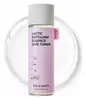
This smoothing exfoliator is formulated around Bacillus Ferment and Lactic Acid to refine skin texture and brighten dull-looking skin.
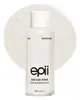
This smoothing toner is formulated around Gluconolactone and Panthenol to refine skin texture and hydrate skin.

What's inside
What's inside
 Key Ingredients
Benefits
Concerns
No concerns
Ingredients Side-by-side
Bacillus Ferment
Skin Conditioning


Water
Skin ConditioningButylene Glycol
Humectant
Dipropylene Glycol
HumectantLactic Acid
Buffering









Propanediol
Solvent
Mandelic Acid
Antimicrobial
Niacinamide
Smoothing


Potassium Hydroxide
BufferingSuccinic Acid
Buffering1,2-Hexanediol
Skin Conditioning
Hydroxyacetophenone
Antioxidant
Caprylyl Glycol
Emollient
Polyglyceryl-10 Laurate
Skin Conditioning
Adenosine
Skin Conditioning
Gluconolactone
Chelating
Centella Asiatica Extract
Cleansing
Asiaticoside
Antioxidant
Madecassic Acid
Skin Conditioning
Prunus Mume Fruit Extract
Humectant
Pueraria Lobata Root Extract
HumectantCoix Lacryma-Jobi Ma-Yuen Seed Extract
Skin ConditioningAsiatic Acid
Skin Conditioning
Sodium Hyaluronate
Humectant
Dipotassium Glycyrrhizate
Humectant
Madecassoside
Antioxidant
Chitosan
Panthenol
Skin Conditioning
Ceramide NP
Skin Conditioning
Phytosterols
Skin Conditioning
Phytosphingosine
Skin Conditioning
Bacillus Ferment, Water, Butylene Glycol, Dipropylene Glycol, Lactic Acid, Propanediol, Mandelic Acid, Niacinamide, Potassium Hydroxide, Succinic Acid, 1,2-Hexanediol, Hydroxyacetophenone, Caprylyl Glycol, Polyglyceryl-10 Laurate, Adenosine, Gluconolactone, Centella Asiatica Extract, Asiaticoside, Madecassic Acid, Prunus Mume Fruit Extract, Pueraria Lobata Root Extract, Coix Lacryma-Jobi Ma-Yuen Seed Extract, Asiatic Acid, Sodium Hyaluronate, Dipotassium Glycyrrhizate, Madecassoside, Chitosan, Panthenol, Ceramide NP, Phytosterols, Phytosphingosine
Water
Skin ConditioningButylene Glycol
Humectant
Gluconolactone
Chelating
Glycerin
Humectant
1,2-Hexanediol
Skin Conditioning
Dipropylene Glycol
HumectantPropanediol
Solvent
Panthenol
Skin Conditioning
Tremella Fuciformis Extract
Humectant
Sodium Hyaluronate
Humectant
Hyaluronic Acid
Humectant
Hydrolyzed Hyaluronic Acid
Humectant
Hydrolyzed Sodium Hyaluronate
Skin Conditioning
Hydroxypropyltrimonium Hyaluronate
Sodium Hyaluronate Crosspolymer
Humectant
Sodium Acetylated Hyaluronate
Humectant
Tocopherol
Antioxidant
C12-14 Alketh-12
EmulsifyingEthylhexylglycerin
Skin ConditioningDisodium EDTA
ChelatingTromethamine
BufferingXanthan Gum
EmulsifyingPentylene Glycol
Skin Conditioning
Water, Butylene Glycol, Gluconolactone, Glycerin, 1,2-Hexanediol, Dipropylene Glycol, Propanediol, Panthenol, Tremella Fuciformis Extract, Sodium Hyaluronate, Hyaluronic Acid, Hydrolyzed Hyaluronic Acid, Hydrolyzed Sodium Hyaluronate, Hydroxypropyltrimonium Hyaluronate, Sodium Hyaluronate Crosspolymer, Sodium Acetylated Hyaluronate, Tocopherol, C12-14 Alketh-12, Ethylhexylglycerin, Disodium EDTA, Tromethamine, Xanthan Gum, Pentylene Glycol
Reviews
Ingredients Explained
These ingredients are found in both products.
Ingredients higher up in an ingredient list are typically present in a larger amount.
1,2-Hexanediol is a synthetic liquid and another multi-functional powerhouse.
It is a:
- Humectant, drawing moisture into the skin
- Emollient, helping to soften skin
- Solvent, dispersing and stabilizing formulas
- Preservative booster, enhancing the antimicrobial activity of other preservatives
Butylene Glycol (or BG) is used within cosmetic products for a few different reasons:
Overall, Butylene Glycol is a safe and well-rounded ingredient that works well with other ingredients.
Though this ingredient works well with most skin types, some people with sensitive skin may experience a reaction such as allergic rashes, closed comedones, or itchiness.
Learn more about Butylene GlycolDipropylene Glycol is a synthetically created humectant, stabilizer, and solvent.
This ingredient helps:
Dipropylene glycol is technically an alcohol, but it belongs to the glycol family (often considered part of the ‘good’ alcohols). This means it is hydrating and gentle on skin unlike drying solvent alcohols like denatured alcohol.
As a masking agent, Dipropylene Glycol can be used to cover the smell of other ingredients. However, it does not have a scent.
Studies show Dipropylene Glycol is considered safe to use in skincare.
Learn more about Dipropylene GlycolGluconolactone is a PHA. PHAs are a great gentle alternative to traditional AHAs.
When applied, Gluconolactone has the same affect on skin as AHAs such as lactic acid. It helps dissolve the dead skin cells in the top layer of your skin. This improves texture and brightens the skin.
PHAs are more gentle than AHAs due to their larger structure. They do not penetrate as deeply as AHAs and take a longer time to dissolve dead cells. Studies show PHAs do not cause as much irritation.
Gluconolactone has some interesting properties:
In a 2004 study, Gluconolactone was found to prevent UV damage in mouse skin cells and has not been found to increase sun sensitivity. However, we still recommend wearing SPF daily.
This ingredient is is an created by reacting gluconic acid with an alcohol.
Learn more about GluconolactonePanthenol is a common ingredient that helps hydrate and soothe the skin. It is found naturally in our skin and hair.
There are two forms of panthenol: D and L.
D-panthenol is also known as dexpanthenol. Most cosmetics use dexpanthenol or a mixture of D and L-panthenol.
Panthenol is famous due to its ability to go deeper into the skin's layers. Using this ingredient has numerous pros (and no cons):
Like hyaluronic acid, panthenol is a humectant. Humectants are able to bind and hold large amounts of water to keep skin hydrated.
This ingredient works well for wound healing. It works by increasing tissue in the wound and helps close open wounds.
Once oxidized, panthenol converts to pantothenic acid. Panthothenic acid is found in all living cells.
This ingredient is also referred to as pro-vitamin B5.
Learn more about PanthenolPropanediol is an all-star ingredient. It softens, hydrates, and smooths the skin.
It’s often used to:
Propanediol is not likely to cause sensitivity and considered safe to use. It is derived from corn or petroleum with a clear color and no scent.
Learn more about PropanediolSodium Hyaluronate is the salt form of hyaluronic acid. It is a long sugar chain that is naturally found in your skin, joints, and connective tissue that maintains hydration and elasticity.
In skincare, it works as a humectant. It pulls water from the environment and deeper layers of skin and binds it to the surface.
Interestingly, the size of the molecule affects its behavior:
Some clinical evidence links low molecular weight versions to improved wrinkle depth, elasticity, anti-inflammatory effects, and barrier repair.
Many serums use a blend of both weights so you can get surface hydration plus longer-lasting and deeper effects.
You'll typically see concentrations between 0.1-2% for this ingredient.
Learn more about Sodium HyaluronateWater. It's the most common cosmetic ingredient of all. You'll usually see it at the top of ingredient lists, meaning that it makes up the largest part of the product.
So why is it so popular? Water most often acts as a solvent - this means that it helps dissolve other ingredients into the formulation.
You'll also recognize water as that liquid we all need to stay alive. If you see this, drink a glass of water. Remember to stay hydrated!
Learn more about Water

