

What's inside
What's inside
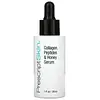 Key Ingredients
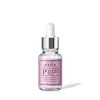
Benefits
Concerns
Ingredients Side-by-side
Water
Skin ConditioningPolysorbate 20
Emulsifying
Hydrolyzed Collagen
Emollient


Honey
Humectant
Palmitoyl Tripeptide-5
Skin Conditioning
Palmitoyl Tripeptide-1
Skin Conditioning
Palmitoyl Tetrapeptide-7
Skin Conditioning
Glycerin
Humectant

Curcuma Longa Root Extract
Masking
Centella Asiatica Leaf Extract
Skin Conditioning

Panthenol
Skin Conditioning
Ascorbic Acid
Antioxidant




Cucumis Sativus Seed Extract
Skin ConditioningDaucus Carota Sativa Root Extract
Skin Conditioning
Melia Azadirachta Leaf Extract
Skin ConditioningMelia Azadirachta Flower Extract
Skin ConditioningSodium Hydroxide
BufferingCorallina Officinalis Extract
Skin Conditioning
Carum Petroselinum Extract
Skin ConditioningEuphrasia Officinalis Extract
AntimicrobialCoccinia Indica Fruit Extract
Skin ConditioningAloe Barbadensis Flower Extract
EmollientSolanum Melongena Fruit Extract
Skin ConditioningOcimum Basilicum Flower/Leaf Extract
TonicOcimum Sanctum Leaf Extract
Skin Conditioning
Butylene Glycol
Humectant
PEG-40 Hydrogenated Castor Oil
Emulsifying
Hydroxyethylcellulose
Emulsion StabilisingTocopheryl Acetate
Antioxidant
Retinyl Palmitate
Skin Conditioning



Carbomer
Emulsion StabilisingEthylhexylglycerin
Skin ConditioningPhenoxyethanol
Preservative
Parfum
Masking
Water, Polysorbate 20, Hydrolyzed Collagen, Honey, Palmitoyl Tripeptide-5, Palmitoyl Tripeptide-1, Palmitoyl Tetrapeptide-7, Glycerin, Curcuma Longa Root Extract, Centella Asiatica Leaf Extract, Panthenol, Ascorbic Acid, Cucumis Sativus Seed Extract, Daucus Carota Sativa Root Extract, Melia Azadirachta Leaf Extract, Melia Azadirachta Flower Extract, Sodium Hydroxide, Corallina Officinalis Extract, Carum Petroselinum Extract, Euphrasia Officinalis Extract, Coccinia Indica Fruit Extract, Aloe Barbadensis Flower Extract, Solanum Melongena Fruit Extract, Ocimum Basilicum Flower/Leaf Extract, Ocimum Sanctum Leaf Extract, Butylene Glycol, PEG-40 Hydrogenated Castor Oil, Hydroxyethylcellulose, Tocopheryl Acetate, Retinyl Palmitate, Carbomer, Ethylhexylglycerin, Phenoxyethanol, Parfum
Aloe Barbadensis Leaf Extract
Emollient
Propanediol
Solvent
Glycerin
Humectant
Palmitoyl Tripeptide-1
Skin Conditioning
Palmitoyl Tetrapeptide-7
Skin Conditioning
Acetyl Hexapeptide-8
Humectant
Niacinamide
Smoothing
1,2-Hexanediol
Skin Conditioning
Sodium Hyaluronate
Humectant
Beta-Glucan
Skin Conditioning
Adenosine
Skin Conditioning
Butylene Glycol
Humectant
Allantoin
Skin Conditioning
Rosa Damascena Extract
MaskingLavandula Angustifolia Flower Extract
Cleansing

Camellia Sinensis Leaf Extract
Antimicrobial
Melissa Officinalis Leaf Extract
Skin ConditioningArtemisia Vulgaris Extract
Skin Conditioning
Aloe Barbadensis Leaf Extract, Propanediol, Glycerin, Palmitoyl Tripeptide-1, Palmitoyl Tetrapeptide-7, Acetyl Hexapeptide-8, Niacinamide, 1,2-Hexanediol, Sodium Hyaluronate, Beta-Glucan, Adenosine, Butylene Glycol, Allantoin, Rosa Damascena Extract, Lavandula Angustifolia Flower Extract, Camellia Sinensis Leaf Extract, Melissa Officinalis Leaf Extract, Artemisia Vulgaris Extract
Ingredients Explained
These ingredients are found in both products.
Ingredients higher up in an ingredient list are typically present in a larger amount.
Butylene Glycol (or BG) is used within cosmetic products for a few different reasons:
Overall, Butylene Glycol is a safe and well-rounded ingredient that works well with other ingredients.
Though this ingredient works well with most skin types, some people with sensitive skin may experience a reaction such as allergic rashes, closed comedones, or itchiness.
Learn more about Butylene GlycolGlycerin is already naturally found in your skin. It helps moisturize and protect your skin.
A study from 2016 found glycerin to be more effective as a humectant than AHAs and hyaluronic acid.
As a humectant, it helps the skin stay hydrated by pulling moisture to your skin. The low molecular weight of glycerin allows it to pull moisture into the deeper layers of your skin.
Hydrated skin improves your skin barrier; Your skin barrier helps protect against irritants and bacteria.
Glycerin has also been found to have antimicrobial and antiviral properties. Due to these properties, glycerin is often used in wound and burn treatments.
In cosmetics, glycerin is usually derived from plants such as soybean or palm. However, it can also be sourced from animals, such as tallow or animal fat.
This ingredient is organic, colorless, odorless, and non-toxic.
Glycerin is the name for this ingredient in American English. British English uses Glycerol/Glycerine.
Learn more about GlycerinPalmitoyl Tetrapeptide-7 (formerly Palmitoyl Tetrapeptide-3) is a lab-made peptide with anti-inflammatory and skin-repairing benefits. It's made up of four amino acids (glycine, glutamine, proline, and arginine) and palmitic acid (which helps it penetrate skin more effectively).
This ingredient helps reduce inflammation by limiting the production of interleukin-6 (IL-6), a chemical that triggers inflammatory responses, particularly after UV exposure.
Less inflammation = slower collagen breakdown and a longer-lasting, youthful appearance.
Palmitoyl Tetrapeptide-7 also stimulates collagen production and supports a healthier skin barrier.
Over time, this can improve skin firmness, hydration, and reduce the appearance of fine lines. It’s commonly paired with Palmitoyl Tripeptide-1 in the well-known Matrixyl 3000 complex for enhanced anti-aging effects.
This ingredient has been shown to be effective and safe in cosmetic use and you'll typically find it in small amounts (less than 0.01%).
Due to its palmitic acid base, it may not be safe for Malassezia folliculitis.
Read more about other common types of peptides here:
Learn more about Palmitoyl Tetrapeptide-7Palmitoyl Tripeptide-1 is also known as pal-GHK. It is made up of 3 amino acids and palmitic acid, a fatty acid that helps it absorb into skin more easily.
This peptide is as a signal peptide, meaning it tells the skin to produce more collagen. Collagen is the key protein that helps form the skin's structure and keep it plump, firm, and hydrated.
By boosting collagen production, this ingredient supports a stronger skin barrier and helps reduce the appearance of wrinkles.
You'll most likely see this ingredient paired with Palmitoyl Tetrapeptide-7 in the well-known Matrixyl 3000 complex. While results from in-house testing should be viewed cautiously, this peptide duo is among the most studied and widely used in modern skincare.
Due to its palmitic acid base, this ingredient may not be safe for Malassezia folliculitis.
Read more about other common types of peptides here:
Learn more about Palmitoyl Tripeptide-1
