Pixi Beauty Retinol Tonic Versus PSA SKIN Heroine
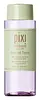
This anti-aging toner is formulated around Retinol and Magnesium Ascorbyl Phosphate to soften the look of wrinkles and refine skin texture.
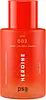
This smoothing toner is formulated around Mandelic Acid and Niacinamide to refine skin texture and brighten dull-looking skin.


What's inside
What's inside
 Key Ingredients
Benefits
Concerns
Ingredients Side-by-side
Water
Skin ConditioningRosmarinus Officinalis Leaf Water
MaskingGlycerin
Humectant


Propanediol
Solvent
PEG-40 Hydrogenated Castor Oil
Emulsifying


Methyl Gluceth-20
Humectant
Caprylic/Capric Triglyceride
Masking
PEG-8
HumectantPanthenol
Skin Conditioning

Magnesium Ascorbyl Phosphate
Antioxidant





Sodium Hyaluronate
Humectant
Lecithin
Emollient
Polysorbate 20
Emulsifying
Oenothera Biennis Flower Extract
AstringentHibiscus Rosa-Sinensis Flower Extract
HumectantSodium Acrylates Copolymer
Palmitoyl Tripeptide-28
Skin Conditioning
Hydroxypropyl Cyclodextrin
MaskingRetinol
Skin Conditioning




Phenoxyethanol
Preservative
Jasminum Officinale Flower/Leaf Extract
Masking
Lavandula Angustifolia Flower/Leaf/Stem Extract
Masking
Eugenia Caryophyllus Flower Extract
AstringentVitis Vinifera Fruit Extract
Skin ConditioningSodium Citrate
BufferingDisodium EDTA
Citric Acid
Buffering
Ethylhexylglycerin
Skin ConditioningWater, Rosmarinus Officinalis Leaf Water, Glycerin, Propanediol, PEG-40 Hydrogenated Castor Oil, Methyl Gluceth-20, Caprylic/Capric Triglyceride, PEG-8, Panthenol, Magnesium Ascorbyl Phosphate, Sodium Hyaluronate, Lecithin, Polysorbate 20, Oenothera Biennis Flower Extract, Hibiscus Rosa-Sinensis Flower Extract, Sodium Acrylates Copolymer, Palmitoyl Tripeptide-28, Hydroxypropyl Cyclodextrin, Retinol, Phenoxyethanol, Jasminum Officinale Flower/Leaf Extract, Lavandula Angustifolia Flower/Leaf/Stem Extract, Eugenia Caryophyllus Flower Extract, Vitis Vinifera Fruit Extract, Sodium Citrate, Disodium EDTA, Citric Acid, Ethylhexylglycerin
Water
Skin ConditioningPolysorbate 20
Emulsifying
Mandelic Acid
Antimicrobial
Glycerin
Humectant
Niacinamide
Smoothing
Lactic Acid
Buffering
Leuconostoc/Radish Root Ferment Filtrate
Antimicrobial
Bisabolol
Antioxidant
Caprylyl Glycol
Emollient
Sodium Hydroxide
BufferingAllantoin
Skin Conditioning
Glycyrrhiza Glabra Root Extract
Bleaching
Saccharomyces/Xylinum/Black Tea Ferment
Skin Conditioning
Centella Asiatica Extract
Cleansing
Punica Granatum Extract
AstringentVaccinium Angustifolium Fruit Extract
Skin Protecting
Camellia Oleifera Leaf Extract
AstringentHyaluronic Acid
Humectant
Panthenol
Skin Conditioning
Tocopheryl Acetate
Antioxidant
Dimethyl Sulfone
SolventHydrolyzed Jojoba Esters
Skin Conditioning
Hydroxyethylcellulose
Emulsion StabilisingXanthan Gum
EmulsifyingSodium Gluconate
Skin ConditioningPotassium Sorbate
Preservative
Water, Polysorbate 20, Mandelic Acid, Glycerin, Niacinamide, Lactic Acid, Leuconostoc/Radish Root Ferment Filtrate, Bisabolol, Caprylyl Glycol, Sodium Hydroxide, Allantoin, Glycyrrhiza Glabra Root Extract, Saccharomyces/Xylinum/Black Tea Ferment, Centella Asiatica Extract, Punica Granatum Extract, Vaccinium Angustifolium Fruit Extract, Camellia Oleifera Leaf Extract, Hyaluronic Acid, Panthenol, Tocopheryl Acetate, Dimethyl Sulfone, Hydrolyzed Jojoba Esters, Hydroxyethylcellulose, Xanthan Gum, Sodium Gluconate, Potassium Sorbate
Reviews
Ingredients Explained
These ingredients are found in both products.
Ingredients higher up in an ingredient list are typically present in a larger amount.
Glycerin (or glycerol) is a compound naturally found in your skin. It's a powerhouse humectant that pulls water into the stratum corneum.
Topically, glycerin does several things at once:
Your skin makes glycerin on its own (mostly from sebaceous oil breakdown) and shuttles it to your outermost layer of skin, or your epidermis, via aquaporin-3.
Aquaporin-3 is a transporter that is essential for normal skin hydration, elasticity, and repair. Interestingly, mice lacking in AQP3 have dry and less elastic skin that can be fully corrected with glycerin.
This ingredient is non-irritating, plays well with almost every ingredient, and works across all skin types. Typical use is anywhere between 3-10% but can go up to 79% in some leave-on products.
Just know very high concentrations (>40%) can feel tacky in low humidity.
Glycerin is the name for this ingredient in American English. British English uses Glycerol/Glycerine.
Learn more about GlycerinPanthenol is a common ingredient that helps hydrate and soothe the skin. It is found naturally in our skin and hair.
There are two forms of panthenol: D and L.
D-panthenol is also known as dexpanthenol. Most cosmetics use dexpanthenol or a mixture of D and L-panthenol.
Panthenol is famous due to its ability to go deeper into the skin's layers. Using this ingredient has numerous pros (and no cons):
Like hyaluronic acid, panthenol is a humectant. Humectants are able to bind and hold large amounts of water to keep skin hydrated.
This ingredient works well for wound healing. It works by increasing tissue in the wound and helps close open wounds.
Once oxidized, panthenol converts to pantothenic acid. Panthothenic acid is found in all living cells.
This ingredient is also referred to as pro-vitamin B5.
Learn more about PanthenolPolysorbate 20 is a gentle, water-soluble emulsifier and mild surfactant. It stops oil and water from separating to keep your formulas blended and stable.
It also acts as a mild penetration enhancer by helping active ingredients absorb slightly better.
The common safety discussion around this ingredient involves a manufacturing byproduct called 1,4-dioxane.
Trace amounts can form during production but the EU's Scientific Committee on Consumer Safety has concluded that levels at/below 10 ppm in finished products are safe (commercial products consistently fall within acceptable margins).
True allergic reactions are uncommon and the CIR Expert Panel has confirmed this ingredient to be safe as used in cosmetics.
Because it is derived from lauric acid, it may not be fungal acne safe.
Learn more about Polysorbate 20Water. It's the most common cosmetic ingredient of all. You'll usually see it at the top of ingredient lists, meaning that it makes up the largest part of the product.
So why is it so popular? Water most often acts as a solvent - this means that it helps dissolve other ingredients into the formulation.
You'll also recognize water as that liquid we all need to stay alive. If you see this, drink a glass of water. Remember to stay hydrated!
Learn more about Water


