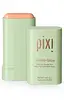
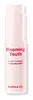
Pixi Beauty On-The-Glow Multi-Use Moisture Stick Versus Banila Co Blooming Youth Peach Collagen Multi Stick Balm
This brightening moisturizer is formulated around Caprylic/Capric Triglyceride and Ascorbic Acid to brighten dull-looking skin and hydrate skin.
This facial treatment is formulated around Tocopheryl Acetate to brighten.


What's inside
What's inside
 Key Ingredients
Benefits
Concerns
Ingredients Side-by-side
Diisostearyl Malate
EmollientCaprylic/Capric Triglyceride
Masking


Polyglyceryl-2 Triisostearate
Emulsifying

Triethylhexanoin
MaskingCeresin
Emulsion StabilisingOzokerite
Emulsion StabilisingPentaerythrityl Tetraisostearate
Emollient
Hdi/Trimethylol Hexyllactone Crosspolymer
Bis-Diglyceryl Polyacyladipate-2
Emollient
Ricinus Communis Seed Oil
Masking

Phytosteryl/Isostearyl/Cetyl/Stearyl/Behenyl Dimer Dilinoleate
Skin Conditioning
Tocopheryl Acetate
Antioxidant


Ergosterol
Skin ConditioningCaffeine
Skin Conditioning

Ascorbic Acid
Antioxidant



Retinyl Palmitate
Skin Conditioning
Glycolic Acid
Buffering





Aloe Barbadensis Leaf Extract
Emollient
Aesculus Hippocastanum Extract
Antioxidant
Panax Ginseng Root Extract
Emollient
Camellia Sinensis Leaf Extract
Antimicrobial
Hamamelis Virginiana Extract
Antiseborrhoeic

Hydrogenated Castor Oil Isostearate
Skin Conditioning
Hydrogenated Castor Oil
Emollient
Glycerin
Humectant
Phenoxyethanol
Preservative
Tocopherol
Antioxidant
Water
Skin ConditioningButylene Glycol
Humectant
Silica
Abrasive
CI 77891
Cosmetic ColorantCI 77491
Cosmetic ColorantCI 77492
Cosmetic ColorantDiisostearyl Malate, Caprylic/Capric Triglyceride, Polyglyceryl-2 Triisostearate, Triethylhexanoin, Ceresin, Ozokerite, Pentaerythrityl Tetraisostearate, Hdi/Trimethylol Hexyllactone Crosspolymer, Bis-Diglyceryl Polyacyladipate-2, Ricinus Communis Seed Oil, Phytosteryl/Isostearyl/Cetyl/Stearyl/Behenyl Dimer Dilinoleate, Tocopheryl Acetate, Ergosterol, Caffeine, Ascorbic Acid, Retinyl Palmitate, Glycolic Acid, Aloe Barbadensis Leaf Extract, Aesculus Hippocastanum Extract, Panax Ginseng Root Extract, Camellia Sinensis Leaf Extract, Hamamelis Virginiana Extract, Hydrogenated Castor Oil Isostearate, Hydrogenated Castor Oil, Glycerin, Phenoxyethanol, Tocopherol, Water, Butylene Glycol, Silica, CI 77891, CI 77491, CI 77492
Water
Skin ConditioningCeresin
Emulsion StabilisingCaprylic/Capric Triglyceride
Masking
Isodecyl Neopentanoate
EmollientDibutyl Adipate
EmollientButylene Glycol
Humectant
Coco-Caprylate/Caprate
Emollient
Glycerin
Humectant
Dipropylene Glycol
HumectantTocopheryl Acetate
Antioxidant
Euphorbia Cerifera Wax
Synthetic Wax
Abrasive
Sorbitan Sesquioleate
Emulsifying
Stearyl Heptanoate
Emollient
Lauryl PEG-8 Dimethicone
Surfactant
Vinyl Dimethicone/Methicone Silsesquioxane Crosspolymer
Lauryl PEG-10 Tris(Trimethylsiloxy)Silylethyl Dimethicone
Emulsifying
1,2-Hexanediol
Skin Conditioning
Sodium Chloride
MaskingStearyl Caprylate
EmollientGlyceryl Behenate/Eicosadioate
Emollient
Glyceryl Caprylate
EmollientBisabolol
Antioxidant
Parfum
Masking
Eclipta Prostrata Extract
Skin Conditioning
Stearalkonium Hectorite
Gel FormingPropylene Carbonate
SolventMelia Azadirachta Leaf Extract
Skin ConditioningMoringa Oleifera Seed Oil
Emollient
Methylpropanediol
SolventTocopherol
Antioxidant
Prunus Persica Fruit Extract
Abrasive
Collagen
Moisturising
Leuconostoc/Radish Root Ferment Filtrate
Antimicrobial
Hibiscus Sabdariffa Flower Extract
Skin ConditioningPrunus Persica Flower Extract
MoisturisingSaccharomyces Ferment Filtrate
Humectant
Prunus Persica Leaf Extract
Emollient
Water, Ceresin, Caprylic/Capric Triglyceride, Isodecyl Neopentanoate, Dibutyl Adipate, Butylene Glycol, Coco-Caprylate/Caprate, Glycerin, Dipropylene Glycol, Tocopheryl Acetate, Euphorbia Cerifera Wax, Synthetic Wax, Sorbitan Sesquioleate, Stearyl Heptanoate, Lauryl PEG-8 Dimethicone, Vinyl Dimethicone/Methicone Silsesquioxane Crosspolymer, Lauryl PEG-10 Tris(Trimethylsiloxy)Silylethyl Dimethicone, 1,2-Hexanediol, Sodium Chloride, Stearyl Caprylate, Glyceryl Behenate/Eicosadioate, Glyceryl Caprylate, Bisabolol, Parfum, Eclipta Prostrata Extract, Stearalkonium Hectorite, Propylene Carbonate, Melia Azadirachta Leaf Extract, Moringa Oleifera Seed Oil, Methylpropanediol, Tocopherol, Prunus Persica Fruit Extract, Collagen, Leuconostoc/Radish Root Ferment Filtrate, Hibiscus Sabdariffa Flower Extract, Prunus Persica Flower Extract, Saccharomyces Ferment Filtrate, Prunus Persica Leaf Extract
Alternatives
Ingredients Explained
These ingredients are found in both products.
Ingredients higher up in an ingredient list are typically present in a larger amount.
Butylene Glycol (or BG) is used within cosmetic products for a few different reasons:
Overall, Butylene Glycol is a safe and well-rounded ingredient that works well with other ingredients.
Though this ingredient works well with most skin types, some people with sensitive skin may experience a reaction such as allergic rashes, closed comedones, or itchiness.
Learn more about Butylene GlycolCaprylic/Capric Triglyceride (aka MCT Oil) is a lightweight emollient, solvent, and texture enhancer. It is considered a skin-softener by helping to prevent moisture loss.
Though it behaves like an oil, it is not technically one due to its chemical composition. One perk of this ingredient is that it is very stable, resistant to oxidation, and unlikely to go rancid.
In practice, that translates to a long shelf life and a consistently elegant skin feel.
While there is an assumption Caprylic Triglyceride can clog pores due to it being derived from coconut oil, there is no research supporting this. Just patch test if you have concerns.
Fractionated coconut oil and MCT Oil are both listed as Caprylic/Capric Triglyceride according to INCI. This is because INCI names are based on the ingredient’s final chemical composition and not its marketing name or source.
This ingredient is treated as the gold standard fungal acne safe oil. Even though it is coconut derived, the problematic lauric acid is stripped out.
This leaves just caprylic (C8) and capric (C10) acid. These chain lengths actually trend antifungal; a 2020 study found caprylic acid was enough to disrupt Malassezia furfur cell membrane, with a caprylic acid derivative damaging membrane structures at concentrations as low as 0.2%.
Learn more about Caprylic/Capric TriglycerideCeresin is a wax derived from ozokerite. It is an alternative to beeswax.
The most common process of creating ceresin is by using heat and sulfuric acid.
Glycerin (or glycerol) is a compound naturally found in your skin. It's a powerhouse humectant that pulls water into the stratum corneum.
Topically, glycerin does several things at once:
Your skin makes glycerin on its own (mostly from sebaceous oil breakdown) and shuttles it to your outermost layer of skin, or your epidermis, via aquaporin-3.
Aquaporin-3 is a transporter that is essential for normal skin hydration, elasticity, and repair. Interestingly, mice lacking in AQP3 have dry and less elastic skin that can be fully corrected with glycerin.
This ingredient is non-irritating, plays well with almost every ingredient, and works across all skin types. Typical use is anywhere between 3-10% but can go up to 79% in some leave-on products.
Just know very high concentrations (>40%) can feel tacky in low humidity.
Glycerin is the name for this ingredient in American English. British English uses Glycerol/Glycerine.
Learn more about GlycerinTocopherol is a fat-soluble antioxidant known as Vitamin E.
You'll find this ingredient in the vast majority of skincare (for good reason). It works to neutralize free radicals, or unstable molecules generated by UV exposure, pollution, and other environmental stressors, before they can cause oxidative damage to your skin cells.
Topically applied tocopherol has been shown to protect against UV damage by ramping up the skin's own natural defense enzymes.
It also acts as a skin conditioning agent; some studies show that regular topical use can improve the skin's water-binding capacity over 2-4 weeks.
This ingredient is especially loved for being a team player. When combined with Vitamin C, the photoprotective effect of both ingredients roughly doubles and the combo also helps reduce UV-induced DNA damage.
This ingredient has some brightening potential but it's more of a prevention ingredient than spot-fader. Cell studies show it can slow down melanin production but it's worth noting that it's not the most powerful brightener out there.
In formulations, it also serves as a stabilizer that helps protect other oxidation-prone ingredients from degrading.
Concentrations usually range from 0.1-1% in most leave-on products.
Learn more about TocopherolTocopheryl Acetate is a stable, shelf-friendly form of vitamin E.
Formulators love it because plain vitamin E oxidizes quickly once it hits air. This acetate version stays stable and resists going off, helping to extend a product's shelf life.
It's actually inactive on its own and works like a slow-release "storage" form; the enzymes in your skin called esterases gradually convert it into active vitamin E over time.
One in vivo study showed 5% of the acetate in the living layer of the epidermis converted to vitamin E after 5 days of application. This study also found the skin gained protection against UV damage even though the conversion was slow and small.
Once converted, vitamin E acts as a skin's main fat-soluble antioxidant that fights free radicals to protect skin from damage.
Topical vitamin E generally boosts the skin's photoprotection, and it reduced UV-damage in animal models.
This ingredient has some brightening potential but it's more of a prevention ingredient than spot-fader. Cell studies show it can slow down melanin production but it's worth noting that it's not the most powerful brightener out there.
Overall, it has a pretty solid safety profile and has been found to be non-irritating and non-comedogenic. Allergic reactions may happen but stay rare due to how widely the ingredient gets used.
The concentration will vary depending on the formula; industry data shows 0.1% in baby lotions, 3% in lipsticks, and 5% in foot powders. You can also find this ingredient at 100% in a pure vitamin E oil.
Most leave-on skincare keeps it at the lower end, often between 0.5-1%.
Learn more about Tocopheryl AcetateWater. It's the most common cosmetic ingredient of all. You'll usually see it at the top of ingredient lists, meaning that it makes up the largest part of the product.
So why is it so popular? Water most often acts as a solvent - this means that it helps dissolve other ingredients into the formulation.
You'll also recognize water as that liquid we all need to stay alive. If you see this, drink a glass of water. Remember to stay hydrated!
Learn more about Water

