
What's inside
What's inside
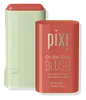 Key Ingredients
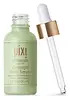
Benefits
Concerns
Ingredients Side-by-side
Diisostearyl Malate
EmollientCaprylic/Capric Triglyceride
Masking


Polyglyceryl-2 Triisostearate
Emulsifying

Ceresin
Emulsion StabilisingTriethylhexanoin
MaskingOzokerite
Emulsion StabilisingPentaerythrityl Tetraisostearate
Emollient
Hdi/Trimethylol Hexyllactone Crosspolymer
Bis-Diglyceryl Polyacyladipate-2
Emollient
Ricinus Communis Seed Oil
Masking

Hydrogenated Castor Oil
Emollient
Phytosteryl/Isostearyl/Cetyl/Stearyl/Behenyl Dimer Dilinoleate
Skin Conditioning
Hippophae Rhamnoides Oil
Emollient
Tocopheryl Acetate
Antioxidant


Ascorbic Acid
Antioxidant




Ergosterol
Skin ConditioningVitis Vinifera Fruit Extract
Skin ConditioningVaccinium Angustifolium Fruit Extract
Skin Protecting
Rubus Idaeus Fruit Extract
AstringentPyrus Malus Fruit Extract
Skin Conditioning
Panax Ginseng Root Extract
Emollient
Hamamelis Virginiana Extract
Antiseborrhoeic


Fragaria Chiloensis Fruit Extract
Skin Conditioning
Citrus Limon Fruit Extract
Masking
Camellia Sinensis Leaf Extract
Antimicrobial

Aloe Barbadensis Leaf Extract
Emollient
Hydrogenated Castor Oil Isostearate
Skin Conditioning
Silica
Abrasive
Water
Skin Conditioning1,2-Hexanediol
Skin Conditioning
Phenoxyethanol
Preservative
CI 77891
Cosmetic ColorantCI 15850
Cosmetic ColorantCI 15985
Cosmetic ColorantDiisostearyl Malate, Caprylic/Capric Triglyceride, Polyglyceryl-2 Triisostearate, Ceresin, Triethylhexanoin, Ozokerite, Pentaerythrityl Tetraisostearate, Hdi/Trimethylol Hexyllactone Crosspolymer, Bis-Diglyceryl Polyacyladipate-2, Ricinus Communis Seed Oil, Hydrogenated Castor Oil, Phytosteryl/Isostearyl/Cetyl/Stearyl/Behenyl Dimer Dilinoleate, Hippophae Rhamnoides Oil, Tocopheryl Acetate, Ascorbic Acid, Ergosterol, Vitis Vinifera Fruit Extract, Vaccinium Angustifolium Fruit Extract, Rubus Idaeus Fruit Extract, Pyrus Malus Fruit Extract, Panax Ginseng Root Extract, Hamamelis Virginiana Extract, Fragaria Chiloensis Fruit Extract, Citrus Limon Fruit Extract, Camellia Sinensis Leaf Extract, Aloe Barbadensis Leaf Extract, Hydrogenated Castor Oil Isostearate, Silica, Water, 1,2-Hexanediol, Phenoxyethanol, CI 77891, CI 15850, CI 15985
Water
Skin ConditioningGlycerin
Humectant
Glycolic Acid
Buffering

Polysorbate 20
Emulsifying
Hydroxyethylcellulose
Emulsion StabilisingAmmonium Hydroxide
BufferingPhenoxyethanol
Preservative
Propylene Glycol
Humectant
Ethylhexylglycerin
Skin ConditioningAloe Barbadensis Leaf Extract
Emollient
Cucumis Sativus Fruit Extract
Emollient
Arginine
Masking
Disodium EDTA
Tocopheryl Acetate
Antioxidant
Retinyl Palmitate
Skin Conditioning
Ascorbyl Palmitate
Antioxidant
Lecithin
Emollient
Sucrose
Humectant
Hydrogenated Lecithin
Emulsifying
Caprylic/Capric Triglyceride
Masking
Cyclopentasiloxane
Emollient
BHT
Antioxidant
Cyclohexasiloxane
Emollient
Xanthan Gum
EmulsifyingAscorbic Acid
Antioxidant
Water, Glycerin, Glycolic Acid, Polysorbate 20, Hydroxyethylcellulose, Ammonium Hydroxide, Phenoxyethanol, Propylene Glycol, Ethylhexylglycerin, Aloe Barbadensis Leaf Extract, Cucumis Sativus Fruit Extract, Arginine, Disodium EDTA, Tocopheryl Acetate, Retinyl Palmitate, Ascorbyl Palmitate, Lecithin, Sucrose, Hydrogenated Lecithin, Caprylic/Capric Triglyceride, Cyclopentasiloxane, BHT, Cyclohexasiloxane, Xanthan Gum, Ascorbic Acid
Reviews
Ingredients Explained
These ingredients are found in both products.
Ingredients higher up in an ingredient list are typically present in a larger amount.
Aloe Barbadensis Leaf Extract is a botanical extract pulled from the leaves of aloe vera and one of the most studied plant ingredients in cosmetics.
The inner leaf gel it comes from is mostly water (~99-99.5%) and the remaining fraction is made up of pretty good stuff: polysaccharides, vitamins, phenolics, and enzymes.
Its headline job is hydration.
The star polysaccharide in aloe, acemannan, is a humectant that retains moisture and helps reduce trans-epidermal water loss.
Aloe also has real soothing credentials; it contains anti-inflammatory compounds like bradykinase and C-glucosyl chromone that help calm irritation and redness.
On the repair side, lab work shows that acemannan wakes up your skin's repair cells (fibroblasts), prompting them to multiply and speed up healing.
There's some human data for cosmetic benefit too: a cream containing 10% Aloe Barbadensis leaf extract improved skin hydration and elasticity in a real-use study.
Safety-wise, this ingredient is well-regarded with just one rare downside; there have been some case reports of acute eczema, contact urticaria, and dermatitis in people who applied aloe-derived ingredients topically. Those with a known aloe or Liliaceae sensitivity should patch test.
Typical use levels range widely, from under 1% up to 90%+ depending on the format and the effect you are after.
Learn more about Aloe Barbadensis Leaf ExtractAscorbic Acid is is pure Vitamin C and is the biologically active form used directly by skin.
Not only is vitamin C great for your overall health and immune system, but it also has plenty of benefits for your skin. It is best supported by academic literature for:
Topical vitamin C has been shown to help neutralize oxidative stress from UV and pollution, helping to improve photoaging and hyperpigmentation when used consistently.
One clinical study found that using 5% topical vitamin C for six months improved signs of photodamaged skin, both on the surface and in the deeper structural layers of the skin.
While vitamin C doesn’t replace sunscreen, studies show it can boost photoprotection when combined with Vitamin E and ferulic acid. These two ingredients help improve stability and protective effects.
The big downside of this ingredient is formulation difficulty. Vitamin C is prone to oxidation and doesn't penetrate the skin unless formulated correctly. Research found that vitamin C absorbs into the skin best at a low pH (< 3.5) with about 20% being the upper limit for effective absorption.
Skin levels can saturate after repeated application; this means your skin won’t keep absorbing more once it’s full of vitamin C. This is why more isn’t always better with vitamin C and why very high concentrations don’t necessarily give extra benefits.
Ascorbic acid generally works well with many skincare ingredients but can be irritating when combined with other active ingredients. Strong oxidizing acne treatments like benzoyl peroxide can reduce the effectiveness of vitamin C if they are used at the same time; they are often recommended for use at different times of day.
Read more about other types of Vitamin C:
Foods rich with vitamin C include oranges, strawberries, broccoli, bell peppers, and more. When consuming Vitamin C, your skin receives a portion of the nutrients.
Learn more about Ascorbic AcidCaprylic/Capric Triglyceride (aka MCT Oil) is a lightweight emollient, solvent, and texture enhancer. It is considered a skin-softener by helping to prevent moisture loss.
Though it behaves like an oil, it is not technically one due to its chemical composition. One perk of this ingredient is that it is very stable, resistant to oxidation, and unlikely to go rancid.
In practice, that translates to a long shelf life and a consistently elegant skin feel.
While there is an assumption Caprylic Triglyceride can clog pores due to it being derived from coconut oil, there is no research supporting this. Just patch test if you have concerns.
Fractionated coconut oil and MCT Oil are both listed as Caprylic/Capric Triglyceride according to INCI. This is because INCI names are based on the ingredient’s final chemical composition and not its marketing name or source.
This ingredient is treated as the gold standard fungal acne safe oil. Even though it is coconut derived, the problematic lauric acid is stripped out.
This leaves just caprylic (C8) and capric (C10) acid. These chain lengths actually trend antifungal; a 2020 study found caprylic acid was enough to disrupt Malassezia furfur cell membrane, with a caprylic acid derivative damaging membrane structures at concentrations as low as 0.2%.
Learn more about Caprylic/Capric TriglyceridePhenoxyethanol is one of the most widely used preservatives in skincare (and for good reason!).
It has a large spectrum of antimicrobial activity and especially effective bacteria, yeast, and mold while only having a weak effect on your skin's natural microbiome.
On a cellular level, it disrupts the cell membranes of microbes by poking holes that make the cell leak. This shuts down the chemical reactions the microbe needs to make energy so it can no longer survive.
Another perk of this ingredient is that it stays functional across a wide pH range (3-10).
You'll often see it paired with boosters like Ethylhexylglycerin; one study showed that a 1:9 ratio of Ethylhexylglycerin to Phenoxyethanol damages bacterial membranes as effectively as doubling the Phenoxyethanol concentration on its own.
Typical use concentrations range from 0.3-1% depending on the formula, and this ingredient is capped at 1% int the EU.
Safety-wise, the fear mongering does not hold up to the evidence. The EU's Scientific Committee on Consumer Safety and FDA consider it safe as a preservative at up to 1%, including for children of all ages.
Adverse systemic effects only showed up in animal studies at exposures roughly 200x higher than what people get from cosmetics. And despite its very widespread use, this ingredient is a rare sensitizer and allergic reactions are uncommon.
Learn more about PhenoxyethanolTocopheryl Acetate is a stable, shelf-friendly form of vitamin E.
Formulators love it because plain vitamin E oxidizes quickly once it hits air. This acetate version stays stable and resists going off, helping to extend a product's shelf life.
It's actually inactive on its own and works like a slow-release "storage" form; the enzymes in your skin called esterases gradually convert it into active vitamin E over time.
One in vivo study showed 5% of the acetate in the living layer of the epidermis converted to vitamin E after 5 days of application. This study also found the skin gained protection against UV damage even though the conversion was slow and small.
Once converted, vitamin E acts as a skin's main fat-soluble antioxidant that fights free radicals to protect skin from damage.
Topical vitamin E generally boosts the skin's photoprotection, and it reduced UV-damage in animal models.
This ingredient has some brightening potential but it's more of a prevention ingredient than spot-fader. Cell studies show it can slow down melanin production but it's worth noting that it's not the most powerful brightener out there.
Overall, it has a pretty solid safety profile and has been found to be non-irritating and non-comedogenic. Allergic reactions may happen but stay rare due to how widely the ingredient gets used.
The concentration will vary depending on the formula; industry data shows 0.1% in baby lotions, 3% in lipsticks, and 5% in foot powders. You can also find this ingredient at 100% in a pure vitamin E oil.
Most leave-on skincare keeps it at the lower end, often between 0.5-1%.
Learn more about Tocopheryl AcetateWater. It's the most common cosmetic ingredient of all. You'll usually see it at the top of ingredient lists, meaning that it makes up the largest part of the product.
So why is it so popular? Water most often acts as a solvent - this means that it helps dissolve other ingredients into the formulation.
You'll also recognize water as that liquid we all need to stay alive. If you see this, drink a glass of water. Remember to stay hydrated!
Learn more about Water

