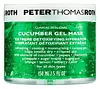
This wash off mask is made with Cucumis Sativus Fruit Extract and Aloe Barbadensis Leaf Juice for a rinse-off calming boost.

What's inside
What's inside
 Key Ingredients
No key ingredients
Benefits
Concerns
Ingredients Side-by-side
Water
Skin ConditioningButylene Glycol
Humectant

Cucumis Sativus Fruit Extract
Emollient

Ananas Sativus Fruit Extract
Skin ConditioningVaccinium Myrtillus Fruit/Leaf Extract
AstringentCarica Papaya Fruit Extract
Skin ConditioningAcer Saccharum Extract
Skin ConditioningSaccharum Officinarum Extract
MoisturisingAloe Barbadensis Leaf Juice
Skin Conditioning
Chamomilla Recutita Flower Extract
Masking
Chamomilla Recutita Flower Oil
Masking

Citrus Limon Fruit Extract
Masking
Citrus Aurantium Dulcis Fruit Extract
MaskingMangifera Indica Fruit Extract
Skin ConditioningSodium PCA
Humectant
Allantoin
Skin Conditioning
Glycerin
Humectant
Propylene Glycol
Humectant

Disodium EDTA
ChelatingSodium Hydroxide
BufferingCitric Acid
Buffering

Carbomer
Emulsion StabilisingTriethanolamine
BufferingPolysorbate 20
Emulsifying
Potassium Sorbate
Preservative
Sodium Benzoate
Masking
Phenoxyethanol
Preservative
CI 19140
Cosmetic ColorantCI 42090
Cosmetic ColorantWater, Butylene Glycol, Cucumis Sativus Fruit Extract, Ananas Sativus Fruit Extract, Vaccinium Myrtillus Fruit/Leaf Extract, Carica Papaya Fruit Extract, Acer Saccharum Extract, Saccharum Officinarum Extract, Aloe Barbadensis Leaf Juice, Chamomilla Recutita Flower Extract, Chamomilla Recutita Flower Oil, Citrus Limon Fruit Extract, Citrus Aurantium Dulcis Fruit Extract, Mangifera Indica Fruit Extract, Sodium PCA, Allantoin, Glycerin, Propylene Glycol, Disodium EDTA, Sodium Hydroxide, Citric Acid, Carbomer, Triethanolamine, Polysorbate 20, Potassium Sorbate, Sodium Benzoate, Phenoxyethanol, CI 19140, CI 42090
Water
Skin ConditioningButylene Glycol
Humectant
Propanediol
Solvent
PEG-40 Hydrogenated Castor Oil
Emulsifying
Trideceth-9
EmulsifyingTriethanolamine
BufferingCarbomer
Emulsion StabilisingRosa Centifolia Leaf Cell Extract
Antioxidant
Rosa Alba Leaf Cell Extract
Antioxidant
Rosa Damascena Leaf Cell Extract
Skin ProtectingRosa Canina Fruit Extract
Astringent
Rosa Damascena Flower Oil
Masking


Rosa Canina Fruit Oil
Emollient
Rosa Centifolia Flower Water
Skin ConditioningCommiphora Myrrha Leaf Cell Extract
MaskingAdenium Obesum Leaf Cell Extract
MaskingLeuconostoc/Radish Root Ferment Filtrate
Antimicrobial
Glycerin
Humectant
Allantoin
Skin Conditioning
Aloe Barbadensis Leaf Juice
Skin Conditioning
BHT
Antioxidant
Sodium PCA
Humectant
Propylene Glycol
Humectant
Ethylhexylglycerin
Skin ConditioningPPG-26-Buteth-26
Skin ConditioningEthylhexyl Salicylate
UV Absorber

Butyl Methoxydibenzoylmethane
UV Absorber
Ethylhexyl Methoxycinnamate
UV Absorber
Disodium EDTA
ChelatingPotassium Sorbate
Preservative
CI 17200
Cosmetic ColorantWater, Butylene Glycol, Propanediol, PEG-40 Hydrogenated Castor Oil, Trideceth-9, Triethanolamine, Carbomer, Rosa Centifolia Leaf Cell Extract, Rosa Alba Leaf Cell Extract, Rosa Damascena Leaf Cell Extract, Rosa Canina Fruit Extract, Rosa Damascena Flower Oil, Rosa Canina Fruit Oil, Rosa Centifolia Flower Water, Commiphora Myrrha Leaf Cell Extract, Adenium Obesum Leaf Cell Extract, Leuconostoc/Radish Root Ferment Filtrate, Glycerin, Allantoin, Aloe Barbadensis Leaf Juice, BHT, Sodium PCA, Propylene Glycol, Ethylhexylglycerin, PPG-26-Buteth-26, Ethylhexyl Salicylate, Butyl Methoxydibenzoylmethane, Ethylhexyl Methoxycinnamate, Disodium EDTA, Potassium Sorbate, CI 17200
Reviews
Ingredients Explained
These ingredients are found in both products.
Ingredients higher up in an ingredient list are typically present in a larger amount.
Allantoin is a soothing ingredient known for its protective and moisturizing properties; it's basically a quiet workhorse ingredient you can find in a huge range of cosmetics.
Though it can be derived from the comfrey plant, allantoin is produced synthetically for cosmetic products to ensure purity.
Research shows it can encourage your skin cells to turn over and renew by stimulating keratinocyte and fibroblast proliferation.
It also has mild keratolytic properties to help loosen and shed dead skin cells without being harsh.
Studies also suggest allantoin can help calm inflammation by dialing down some of the chemical signals your skin sends out when it is irritated.
This ingredient is typically used in the 0.1-0.5% range, and the FDA recognizes it as a skin protectant in OTC products up to 2%.
Overall, allantoin is a wonderful addition to most routines; it is stable across a wide pH range (~4-8), works well with other ingredients, and is considered non-sensitizing/non-irritating.
Fun fact: Allantoin is naturally occurring in comfrey root, beets, chamomile, and wheat sprouts. Our bodies even produce it as a byproduct of uric acid metabolism.
Learn more about AllantoinAloe Barbadensis Leaf Juice is the filtered, stabilized liquid pressed from the inner gel of the aloe vera leaf.
In cosmetics, it shows up as either soothing active or a water-replacement base. It is roughly 98-99% water and the last 1-2% is an interesting mix of polysaccharides, amino acids, vitamins, minerals, and enzymes.
The polysaccharides do most of the work: they bind water at the skin surface for a light, non-greasy hydration boost. And one of the polysaccharides, glycomannan, is linked to fibroblast stimulation + collagen synthesis. This is also why aloe has such a long track record in wound and burn healing.
This ingredient is also calming with anti-inflammatory and mild antimicrobial activity, making it a great pick for sensitive, irritated, or post-sun skin.
Realistic expectations matter though; the solid evidence is mostly limited to hydration, soothing, and wound support. Deeper claims about anti-aging or sun protection are not well backed, and science reviews note it does not prevent radiation-induced skin injury.
Because it plays well with almost everything, it's commonly used as a base alongside other actives like niacinamide or vitamin C.
Typical usage concentrations range from 0.5% (where hydration benefits already show up) all the way to 90%+ (where it replaces water as the main base).
The safety for this ingredient is well-establish as well. Overall, this is a great supporting ingredient for those who want a boost in hydration.
Learn more about Aloe Barbadensis Leaf JuiceButylene Glycol (or BG) is used within cosmetic products for a few different reasons:
Overall, Butylene Glycol is a safe and well-rounded ingredient that works well with other ingredients.
Though this ingredient works well with most skin types, some people with sensitive skin may experience a reaction such as allergic rashes, closed comedones, or itchiness.
Learn more about Butylene GlycolCarbomer is a synthetic thickening and gelling agent. It's basically the ingredient that gives a lot of serums, gels, creams, and sunscreens their smooth, non-sticky texture.
Although legally permitted at very high levels, carbomers are normally used at concentrations below 1%.
It also needs to be neutralized to actually thicken, and because it is a large molecule, it doesn't really penetrate the skin barrier.
Allergy-wise, the risk is very low. Clinical studies show carbomers have low potential for skin irritation/sensitization even at concentrations up to 100%.
A 2024 UK study patch-tested 1,302 patients and found true allergy to the parent group of carbomer to be rare with no confirmed relevant reactions.
Learn more about CarbomerDisodium EDTA is a chelating agent. It grabs onto and deactivates metal ions that sneak into your products from water, packaging, or air.
This ingredient mainly works behind the scenes and helps with:
On top of that, this ingredient can counteract the effects of hard water by binding to the minerals in it.
One thing worth knowing is that Disodium EDTA has been shown to be a mild penetration enhancer. It can help other ingredients absorb into skin more effectively which can be a double-edged sword (great for actives, but can also make the active too strong if you have sensitive skin).
Clinical patch testing showed no significant skin irritation at typical use concentrations and minimal dermal absorption.
You'll most likely see this ingredient near the end of an ingredient list. It's typically found in concentrations less than 1%.
Learn more about Disodium EDTAGlycerin (or glycerol) is a compound naturally found in your skin. It's a powerhouse humectant that pulls water into the stratum corneum.
Topically, glycerin does several things at once:
Your skin makes glycerin on its own (mostly from sebaceous oil breakdown) and shuttles it to your outermost layer of skin, or your epidermis, via aquaporin-3.
Aquaporin-3 is a transporter that is essential for normal skin hydration, elasticity, and repair. Interestingly, mice lacking in AQP3 have dry and less elastic skin that can be fully corrected with glycerin.
This ingredient is non-irritating, plays well with almost every ingredient, and works across all skin types. Typical use is anywhere between 3-10% but can go up to 79% in some leave-on products.
Just know very high concentrations (>40%) can feel tacky in low humidity.
Glycerin is the name for this ingredient in American English. British English uses Glycerol/Glycerine.
Learn more about GlycerinPotassium Sorbate is a preservative used to prevent yeast and mold in products. It is commonly found in both cosmetic and food products.
This ingredient comes from potassium salt derived from sorbic acid. Sorbic acid is a natural antibiotic and effective against fungus.
Both potassium sorbate and sorbic acid can be found in baked goods, cheeses, dried meats, dried fruit, ice cream, pickles, wine, yogurt, and more.
You'll often find this ingredient used with other preservatives.
Learn more about Potassium SorbatePropylene Glycol is a synthetic, colorless, odorless liquid that has been a staple in cosmetics for decades. It is a skin conditioning agent, humectant, and solvent.
As a humectant, it draw water to the skin to reduce flaking and restore suppleness. It's also a solvent that helps dissolve other actives and keeps formulas stable across temperature changes.
The CIR Expert Panel has confirmed this ingredient to be nontoxic and clinical studies show no sensitization at cosmetic use concentrations.
True allergic reactions are quite rare: a 15-year retrospective study of 6,751 patients found only 0.31% had a positive reaction (and less than half were considered clinically relevant).
It seemed that when sensitization does occur, it's most commonly linked to topical medication (like corticosteroids) and not cosmetics. Allergic contact dermatitis also appears largely limited to individuals with underlying skin conditions.
Overall, propylene glycol is a well-studied ingredient that most people can tolerate without issue.
Learn more about Propylene GlycolSodium PCA (the salt of PCA) is one of the most well-established humectants in skincare.
Why is it so special? Your skin already makes it naturally; it's a natural component of your skin's Natural Moisturizing Factor (NMF), or the mix of water-binding compounds inside your skin cells that keeps things soft and hydrated.
As a cosmetic ingredient, it grabs water and holds it in the upper layers of skin to smooth roughness and ease dehydration.
There's some clinical support for the NMF approach with a study showing that a cream built to mimic the skin's NMF significantly boosted hydration.
Safety-wise, this ingredient non-irritating, non-comedogenic, and non-phototoxic in testing, with minimal skin absorption.
It also works really well with other hydrators like glycerin or hyaluronic acid, and typical usage is somewhere between 0.2-4%.
Learn more about Sodium PCATriethanolamine (TEA) is an emulsifier and pH adjuster. It is created using ethylene oxide and ammonia. This gives Triethanolamine a nitrogen core and a similar scent to ammonia.
As an emulsifier, it prevents ingredients from separating and enhances texture by adding volume to a product.
PH adjusters are common in cosmetic products. The pH of a product can affect the effectiveness of other ingredients. A product with a high pH may also irritate the skin.
If you are looking for the tea leaf ingredient, click here.
Learn more about TriethanolamineWater. It's the most common cosmetic ingredient of all. You'll usually see it at the top of ingredient lists, meaning that it makes up the largest part of the product.
So why is it so popular? Water most often acts as a solvent - this means that it helps dissolve other ingredients into the formulation.
You'll also recognize water as that liquid we all need to stay alive. If you see this, drink a glass of water. Remember to stay hydrated!
Learn more about Water


