
What's inside
What's inside
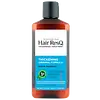 Key Ingredients
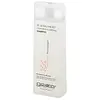
No key ingredients
Benefits
Concerns
Ingredients Side-by-side
Water
Skin ConditioningSodium Lauroyl Methyl Isethionate
CleansingBetaine
Humectant


Sodium Cocoamphoacetate
CleansingLauryl Glucoside
CleansingSodium Cocoyl Glutamate
Cleansing
Sodium Lauryl Glucose Carboxylate
CleansingDecyl Glucoside
Cleansing
Mentha Piperita Leaf Extract
Skin ConditioningRosmarinus Officinalis Leaf Oil
Masking
Serenoa Serrulata Fruit Extract
Skin Conditioning
Chamomilla Recutita Flower Extract
Masking
Aloe Barbadensis Leaf Juice
Skin Conditioning
Equisetum Arvense Extract
AstringentButyrospermum Parkii Butter Extract
Skin Conditioning

Aleurites Moluccanus Seed Extract
Skin ConditioningCamellia Sinensis Leaf Extract
Antimicrobial



Olea Europaea Fruit Oil
Masking


Simmondsia Chinensis Seed Oil
Emollient
Calendula Officinalis Flower Extract
Masking
Panthenol
Skin Conditioning
Menthol
Masking


Caffeine
Skin Conditioning
Niacin
SmoothingBiotin
AntiseborrhoeicHydroxypropyl Methylcellulose
Emulsion StabilisingHydroxypropyl Guar
Emulsion StabilisingPolysorbate 20
Emulsifying
Citric Acid
Buffering
Dehydroacetic Acid
Preservative
Ethylhexylglycerin
Skin ConditioningParfum
Masking
Limonene
Perfuming
Water, Sodium Lauroyl Methyl Isethionate, Betaine, Sodium Cocoamphoacetate, Lauryl Glucoside, Sodium Cocoyl Glutamate, Sodium Lauryl Glucose Carboxylate, Decyl Glucoside, Mentha Piperita Leaf Extract, Rosmarinus Officinalis Leaf Oil, Serenoa Serrulata Fruit Extract, Chamomilla Recutita Flower Extract, Aloe Barbadensis Leaf Juice, Equisetum Arvense Extract, Butyrospermum Parkii Butter Extract, Aleurites Moluccanus Seed Extract, Camellia Sinensis Leaf Extract, Olea Europaea Fruit Oil, Simmondsia Chinensis Seed Oil, Calendula Officinalis Flower Extract, Panthenol, Menthol, Caffeine, Niacin, Biotin, Hydroxypropyl Methylcellulose, Hydroxypropyl Guar, Polysorbate 20, Citric Acid, Dehydroacetic Acid, Ethylhexylglycerin, Parfum, Limonene
Water
Skin ConditioningSodium Cocoamphoacetate
CleansingLauryl Glucoside
CleansingSodium Cocoyl Glutamate
Cleansing
Sodium Lauryl Glucose Carboxylate
CleansingDecyl Glucoside
Cleansing
Cocamidopropyl Betaine
Cleansing
Glycerin
Humectant
Panthenol
Skin Conditioning
Potassium Sorbate
Preservative
Citric Acid
Buffering
Polysorbate 20
Emulsifying
Phenoxyethanol
Preservative
Parfum
Masking
Aloe Barbadensis Leaf Juice
Skin Conditioning
Helianthus Annuus Seed Oil
Emollient
Glycine Soja Seed Extract
Skin Conditioning
Betula Alba Bud Extract
Skin ConditioningMalva Sylvestris Extract
AstringentAchillea Millefolium Extract
CleansingChamomilla Recutita Flower Extract
Masking
Equisetum Arvense Extract
AstringentLavandula Angustifolia Extract
Skin Conditioning
Rosmarinus Officinalis Leaf Extract
AntimicrobialSalvia Sclarea Extract
AntiseborrhoeicThymus Vulgaris Extract
Perfuming
Tussilago Farfara Flower Extract
AstringentUrtica Dioica Extract
AstringentWater, Sodium Cocoamphoacetate, Lauryl Glucoside, Sodium Cocoyl Glutamate, Sodium Lauryl Glucose Carboxylate, Decyl Glucoside, Cocamidopropyl Betaine, Glycerin, Panthenol, Potassium Sorbate, Citric Acid, Polysorbate 20, Phenoxyethanol, Parfum, Aloe Barbadensis Leaf Juice, Helianthus Annuus Seed Oil, Glycine Soja Seed Extract, Betula Alba Bud Extract, Malva Sylvestris Extract, Achillea Millefolium Extract, Chamomilla Recutita Flower Extract, Equisetum Arvense Extract, Lavandula Angustifolia Extract, Rosmarinus Officinalis Leaf Extract, Salvia Sclarea Extract, Thymus Vulgaris Extract, Tussilago Farfara Flower Extract, Urtica Dioica Extract
Reviews
Ingredients Explained
These ingredients are found in both products.
Ingredients higher up in an ingredient list are typically present in a larger amount.
Aloe Barbadensis Leaf Juice is the filtered, stabilized liquid pressed from the inner gel of the aloe vera leaf.
In cosmetics, it shows up as either soothing active or a water-replacement base. It is roughly 98-99% water and the last 1-2% is an interesting mix of polysaccharides, amino acids, vitamins, minerals, and enzymes.
The polysaccharides do most of the work: they bind water at the skin surface for a light, non-greasy hydration boost. And one of the polysaccharides, glycomannan, is linked to fibroblast stimulation + collagen synthesis. This is also why aloe has such a long track record in wound and burn healing.
This ingredient is also calming with anti-inflammatory and mild antimicrobial activity, making it a great pick for sensitive, irritated, or post-sun skin.
Realistic expectations matter though; the solid evidence is mostly limited to hydration, soothing, and wound support. Deeper claims about anti-aging or sun protection are not well backed, and science reviews note it does not prevent radiation-induced skin injury.
Because it plays well with almost everything, it's commonly used as a base alongside other actives like niacinamide or vitamin C.
Typical usage concentrations range from 0.5% (where hydration benefits already show up) all the way to 90%+ (where it replaces water as the main base).
The safety for this ingredient is well-establish as well. Overall, this is a great supporting ingredient for those who want a boost in hydration.
Learn more about Aloe Barbadensis Leaf JuiceChamomilla Recutita Flower Extract comes from the Chamomile flower.
Chamomile is rich in antioxidants and has anti-inflammatory properties. Several compounds found in chamomile help with soothing, such as bisbolol.
Antioxidant components in chamomile make it an effective ingredient to help slow the signs of aging. Antioxidants help fight free-radical molecules, or molecules that may damage your skin.
Essential oils from chamomile have been found to improve wound healing due to its antimicrobial properties.
Ancient Greeks and Egyptians used Chamomile to treat skin redness and dryness. Chamomile has also been used to help treat stomach issues.
Learn more about Chamomilla Recutita Flower ExtractCitric Acid is an alpha hydroxy acid (AHA) naturally found in citrus fruits like oranges, lemons, and limes.
Like other AHAs, citric acid can exfoliate skin by breaking down the bonds that hold dead skin cells together. This helps reveal smoother and brighter skin underneath.
However, this exfoliating effect only happens at high concentrations (20%) which can be hard to find in cosmetic products.
Due to this, citric acid is usually included in small amounts as a pH adjuster. This helps keep products slightly more acidic and compatible with skin's natural pH.
In skincare formulas, citric acid can:
While it can provide some skin benefits, research shows lactic acid and glycolic acid are generally more effective and less irritating exfoliants.
Most citric acid used in skincare today is made by fermenting sugars (usually from molasses). This synthetic version is identical to the natural citrus form but easier to stabilize and use in formulations.
Rosacea skin has a lower threshold for acids generally, with 62.5% of rosacea subjects in one study reacting to lactic acid in a sting test. This is why we mark citric acid as a potential rosacea trigger.
However, this ingredient shows up as a pH adjuster or chelator at roughly 0.1-1% in many products. These low levels are unlikely to be an issue for rosacea skin and becomes a potential trigger at exfoliating concentrations (20%). Because everybody's skin is unique, we recommend a patch test if you are unsure.
Learn more about Citric AcidDecyl Glucoside is a plant-derived surfactant and emulsion stabilizer. It is created by reacting glucose with the fatty acids from plants.
Like all surfactants, it works by lowering the surface tension between water and oil. This makes it so that dirt, sebum, and makeup can be lifted off your skin and rinsed away. It also produces a dense and creamy foam.
Because it has a neutral charge, it is compatible with a wide range of ingredients and stays stable across a broad pH range/water hardiness conditions.
Patch testing has shown it to have the lowest irritation potential among common cleansing surfactants (like SLS).
Typical use levels range from 5-20% in rinse-off cleansers.
One thing worth knowing: The American Contact Dermatitis Society named the parent family, alkyl glucosides, "Allergen of the Year" in 2017. The prevalence of allergy is pretty low but be sure to patch test if you've reacted to "gentle" or sulfate-free cleansers before.
This ingredient is fungal acne safe because the fatty alcohol portion of this ingredient is not within the C11-24 chain length that Malassezia can metabolize.
Learn more about Decyl GlucosideThis botanical extract is also known as horsetail extract. It mainly acts as an emollient, skin soother, and astringent.
A study from 2023 found compounds in Equisetum Arvense showed significant anti-inflammatory effects in irritated keratinocytes (the main cell in your outermost layer of skin).
Another study using a cream with horsetail and soybean extract found 80% of participants showed at least a 26% improvement in forehead wrinkles after 8 weeks.
Animal research has shown topical Equisetum Arvense stimulated skin and tissue growth in mice.
The research so far is encouraging, but still in its early days. But it's a lovely supporting ingredient and can be a welcome addition to any routine.
Learn more about Equisetum Arvense ExtractLauryl Glucoside sugar- and lipid-based cleansing agent. It is created from glucose and lauryl alcohol.
This ingredient is a surfactant, making it easier to rinse oil, dirt, and other pollutants away.
A British study found lauryl glucoside to cause skin sensitivity for some people. We recommend speaking with a professional if you have concerns.
Other names for this ingredient include "Lauryl Polyglucose", "Lauryl glycoside", and "D-Glucopyranoside".
Learn more about Lauryl GlucosidePanthenol is a common ingredient that helps hydrate and soothe the skin. It is found naturally in our skin and hair.
There are two forms of panthenol: D and L.
D-panthenol is also known as dexpanthenol. Most cosmetics use dexpanthenol or a mixture of D and L-panthenol.
Panthenol is famous due to its ability to go deeper into the skin's layers. Using this ingredient has numerous pros (and no cons):
Like hyaluronic acid, panthenol is a humectant. Humectants are able to bind and hold large amounts of water to keep skin hydrated.
This ingredient works well for wound healing. It works by increasing tissue in the wound and helps close open wounds.
Once oxidized, panthenol converts to pantothenic acid. Panthothenic acid is found in all living cells.
This ingredient is also referred to as pro-vitamin B5.
Learn more about PanthenolParfum is a catch-all term for an ingredient or more that is used to give a scent to products.
Also called "fragrance", this ingredient can be a blend of hundreds of chemicals or plant oils. This means every product with "fragrance" or "parfum" in the ingredients list is a different mixture.
For instance, Habanolide is a proprietary trade name for a specific aroma chemical. When used as a fragrance ingredient in cosmetics, most aroma chemicals fall under the broad labeling category of “FRAGRANCE” or “PARFUM” according to EU and US regulations.
The term 'parfum' or 'fragrance' is not regulated in many countries. In many cases, it is up to the brand to define this term.
For instance, many brands choose to label themselves as "fragrance-free" because they are not using synthetic fragrances. However, their products may still contain ingredients such as essential oils that are considered a fragrance by INCI standards.
One example is Calendula flower extract. Calendula is an essential oil that still imparts a scent or 'fragrance'.
Depending on the blend, the ingredients in the mixture can cause allergies and sensitivities on the skin. Some ingredients that are known EU allergens include linalool and citronellol.
Parfum can also be used to mask or cover an unpleasant scent.
The bottom line is: not all fragrances/parfum/ingredients are created equally. If you are worried about fragrances, we recommend taking a closer look at an ingredient. And of course, we always recommend speaking with a professional.
Learn more about ParfumPolysorbate 20 is a gentle, water-soluble emulsifier and mild surfactant. It stops oil and water from separating to keep your formulas blended and stable.
It also acts as a mild penetration enhancer by helping active ingredients absorb slightly better.
The common safety discussion around this ingredient involves a manufacturing byproduct called 1,4-dioxane.
Trace amounts can form during production but the EU's Scientific Committee on Consumer Safety has concluded that levels at/below 10 ppm in finished products are safe (commercial products consistently fall within acceptable margins).
True allergic reactions are uncommon and the CIR Expert Panel has confirmed this ingredient to be safe as used in cosmetics.
Because it is derived from lauric acid, it may not be fungal acne safe.
Learn more about Polysorbate 20We don't have a description for Sodium Cocoamphoacetate yet.
Sodium Cocoyl Glutamate is a gentle cleanser and surfactant. It is the sodium salt of the Cocoyl Glutamic Acid and comes from coconut oil. As a surfactant, it helps lift dirt and oil to be washed away.
Sodium Cocoyl Glutamate also has an emolliating effect and can help leave the skin feeling soft.
We don't have a description for Sodium Lauryl Glucose Carboxylate yet.
Water. It's the most common cosmetic ingredient of all. You'll usually see it at the top of ingredient lists, meaning that it makes up the largest part of the product.
So why is it so popular? Water most often acts as a solvent - this means that it helps dissolve other ingredients into the formulation.
You'll also recognize water as that liquid we all need to stay alive. If you see this, drink a glass of water. Remember to stay hydrated!
Learn more about Water

