Paula's Choice Clinical Ceramide-Enriched Firming Moisturizer Versus Paula's Choice Resist Triple Active Total Repair Serum
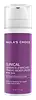
This anti-aging moisturizer is formulated around Sodium Ascorbyl Phosphate and Retinol to soften the look of wrinkles and strengthen the skin barrier.
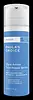
This anti-aging serum is formulated around Niacinamide and Retinyl Propionate to soften the look of wrinkles and fade the look of dark spots.

What's inside
What's inside
 Key Ingredients
Benefits
Concerns
Ingredients Side-by-side
Water
Skin ConditioningSodium Ascorbyl Phosphate
Antioxidant







Cetyl Alcohol
Emollient



Neopentyl Glycol Diheptanoate
EmollientPotassium Cetyl Phosphate
EmulsifyingGlyceryl Stearate
Emollient
PEG-100 Stearate
Surfactant
Glycerin
Humectant

PEG-12 Glyceryl Dimyristate
Skin ConditioningBis-Diglyceryl Polyacyladipate-2
Emollient
Dimethicone
Emollient
Glyceryl Ascorbate
Antioxidant
Tetrahexyldecyl Ascorbate
Antioxidant
Retinol
Skin Conditioning




Ceramide NP
Skin Conditioning

Ceramide Ns
Skin Conditioning
Ceramide AP
Skin Conditioning
Ceramide EOP
Skin Conditioning
Ceramide Eos
Skin Conditioning
Cholesterol
Emollient
Caprooyl Phytosphingosine
Skin Conditioning
Caprooyl Sphingosine
Skin ConditioningSqualane
Emollient
Punica Granatum Extract
AstringentPongamia Glabra Seed Oil
Skin Conditioning
Glycyrrhiza Glabra Root
Skin ConditioningVitis Vinifera
MaskingTocopheryl Acetate
Antioxidant
Carnosine
Skin Conditioning
Panthenol
Skin Conditioning
Sodium PCA
Humectant
Butylene Glycol
Humectant
Sodium Citrate
BufferingCeteareth-25
CleansingPolysorbate 20
Emulsifying
Ethylhexyl Stearate
Emollient


Sodium Hydroxide
BufferingTrideceth-6
EmulsifyingPropyl Gallate
Antioxidant

Ammonium Acryloyldimethyltaurate/Vp Copolymer
Sodium Polyacrylate
Absorbent
Behenic Acid
Cleansing
Disodium EDTA
ChelatingPhenoxyethanol
Preservative
Caprylyl Glycol
Emollient
Chlorphenesin
Antimicrobial
Water, Sodium Ascorbyl Phosphate, Cetyl Alcohol, Neopentyl Glycol Diheptanoate, Potassium Cetyl Phosphate, Glyceryl Stearate, PEG-100 Stearate, Glycerin, PEG-12 Glyceryl Dimyristate, Bis-Diglyceryl Polyacyladipate-2, Dimethicone, Glyceryl Ascorbate, Tetrahexyldecyl Ascorbate, Retinol, Ceramide NP, Ceramide Ns, Ceramide AP, Ceramide EOP, Ceramide Eos, Cholesterol, Caprooyl Phytosphingosine, Caprooyl Sphingosine, Squalane, Punica Granatum Extract, Pongamia Glabra Seed Oil, Glycyrrhiza Glabra Root, Vitis Vinifera, Tocopheryl Acetate, Carnosine, Panthenol, Sodium PCA, Butylene Glycol, Sodium Citrate, Ceteareth-25, Polysorbate 20, Ethylhexyl Stearate, Sodium Hydroxide, Trideceth-6, Propyl Gallate, Ammonium Acryloyldimethyltaurate/Vp Copolymer, Sodium Polyacrylate, Behenic Acid, Disodium EDTA, Phenoxyethanol, Caprylyl Glycol, Chlorphenesin
Water
Skin ConditioningIsopropyl Myristate
Emollient
Caprylic/Capric Triglyceride
Masking
Glycerin
Humectant
Niacinamide
Smoothing
Hydroxystearic Acid
Cleansing
Oryza Sativa Bran Oil
Emollient
Tocotrienols
Skin Conditioning
Retinyl Propionate
Skin Conditioning
Hexylresorcinol
Antimicrobial
Acrylates/C10-30 Alkyl Acrylate Crosspolymer
Emulsion StabilisingCetyl Alcohol
Emollient
Castanea Sativa Leaf Extract
Skin ConditioningHydroxyacetophenone
Antioxidant
Ceramide AP
Skin Conditioning
1,2-Hexanediol
Skin Conditioning
Caprylyl Glycol
Emollient
Sodium Hydroxide
BufferingDilauryl Thiodipropionate
Antioxidant
Pentaerythrityl Tetra-Di-T-Butyl Hydroxyhydrocinnamate
Antioxidant
Sodium Phytate
ChelatingBHT
Antioxidant
Water, Isopropyl Myristate, Caprylic/Capric Triglyceride, Glycerin, Niacinamide, Hydroxystearic Acid, Oryza Sativa Bran Oil, Tocotrienols, Retinyl Propionate, Hexylresorcinol, Acrylates/C10-30 Alkyl Acrylate Crosspolymer, Cetyl Alcohol, Castanea Sativa Leaf Extract, Hydroxyacetophenone, Ceramide AP, 1,2-Hexanediol, Caprylyl Glycol, Sodium Hydroxide, Dilauryl Thiodipropionate, Pentaerythrityl Tetra-Di-T-Butyl Hydroxyhydrocinnamate, Sodium Phytate, BHT
Ingredients Explained
These ingredients are found in both products.
Ingredients higher up in an ingredient list are typically present in a larger amount.
Caprylyl Glycol is a humectant, skin conditioner, emollient, and preservative booster derived from either caprylic acid or synthetically created.
Typical use levels vary from 0.3-1% as a preservative booster and go up to 2% to condition skin.
Because it is not a free-fatty acid, this ingredient is fungal acne safe (there's nothing for Malassezia to feed on).
Learn more about Caprylyl GlycolCeramide AP is is a skin-identical lipid that mimics what your skin already makes naturally. Ceramides help maintain epidermal integrity and barrier function.
You'll often see this ingredient paired with other ceramides (like ceramide NP), cholesterol, or fatty acids because this combination best mimics the natural lipid mix your skin already has.
The skin's ability to produce ceramides gets disrupted in skin conditions like eczema. This in turn weakens the skin barrier and applying ceramides topically has been shown to replenish what's been lost to restore barrier function.
Most of the studies with Ceramide AP test it as part of a multi-ceramide complex; studies reinforce ceramide AP's role in rebalancing ceramides in skin and improving skin hydration.
Learn more about Ceramide APCetyl Alcohol is a fatty alcohol. Fatty Alcohols are most often used as an emollient or to thicken a product.
Its main roles are:
Though it has "alcohol" in the name, it is not related to denatured alcohol or ethyl alcohol.
The FDA allows products labeled "alcohol-free" to have fatty alcohols.
This ingredient may not be fungal acne safe. It is a primary fatty alcohol with a chain length above 12 carbons. A study from 2019 show Malassezia can feed on fatty alcohols in this range, so it may trigger fungal acne in those prone to it.
Learn more about Cetyl AlcoholGlycerin (or glycerol) is a compound naturally found in your skin. It's a powerhouse humectant that pulls water into the stratum corneum.
Topically, glycerin does several things at once:
Your skin makes glycerin on its own (mostly from sebaceous oil breakdown) and shuttles it to your outermost layer of skin, or your epidermis, via aquaporin-3.
Aquaporin-3 is a transporter that is essential for normal skin hydration, elasticity, and repair. Interestingly, mice lacking in AQP3 have dry and less elastic skin that can be fully corrected with glycerin.
This ingredient is non-irritating, plays well with almost every ingredient, and works across all skin types. Typical use is anywhere between 3-10% but can go up to 79% in some leave-on products.
Just know very high concentrations (>40%) can feel tacky in low humidity.
Glycerin is the name for this ingredient in American English. British English uses Glycerol/Glycerine.
Learn more about GlycerinSodium Hydroxide is also known as lye or caustic soda. It is used to adjust the pH of products; many ingredients require a specific pH to be effective.
In small amounts, sodium hydroxide is considered safe to use. However, large amounts may cause chemical burns due to its high alkaline.
Your skin has a natural pH and acid mantle. This acid mantle helps prevent harmful bacteria from breaking through. The acid mantle also helps keep your skin hydrated.
"Alkaline" refers to a high pH level. A low pH level would be considered acidic.
Learn more about Sodium HydroxideWater. It's the most common cosmetic ingredient of all. You'll usually see it at the top of ingredient lists, meaning that it makes up the largest part of the product.
So why is it so popular? Water most often acts as a solvent - this means that it helps dissolve other ingredients into the formulation.
You'll also recognize water as that liquid we all need to stay alive. If you see this, drink a glass of water. Remember to stay hydrated!
Learn more about Water

