

What's inside
What's inside
 Key Ingredients
Benefits
Concerns
Ingredients Side-by-side
Water
Skin ConditioningButyrospermum Parkii Butter
Skin Conditioning



Cetyl Alcohol
Emollient
Palmitic Acid
Emollient
Isopropyl Myristate
Emollient
Propylene Glycol
Humectant

Stearic Acid
Cleansing
Parfum
Masking
Cocos Nucifera Oil
Masking
Vanilla Tahitensis Fruit Extract
Skin ConditioningVanilla Planifolia Fruit Extract
Skin Conditioning
Tocopherol
Antioxidant




Tocopheryl Acetate
Antioxidant
Theobroma Cacao Seed Butter
Emollient
Prunus Amygdalus Dulcis Oil
Skin Conditioning
Macadamia Ternifolia Seed Oil
Emollient
Gardenia Taitensis Flower Extract
Skin ConditioningSqualane
Emollient
Helianthus Annuus Seed Extract
Skin Conditioning
Carbomer
Emulsion StabilisingAminomethyl Propanol
BufferingCitric Acid
Buffering




Ethylhexylglycerin
Skin ConditioningPEG-40 Stearate
Emulsifying
Stearyl Alcohol
Emollient
Tetrasodium EDTA
Phenoxyethanol
Preservative
Hexamethylindanopyran
Masking

Benzyl Benzoate
Antimicrobial
Vanillin
Masking
Trimethylbenzenepropanol
Masking
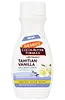
Water, Butyrospermum Parkii Butter, Cetyl Alcohol, Palmitic Acid, Isopropyl Myristate, Propylene Glycol, Stearic Acid, Parfum, Cocos Nucifera Oil, Vanilla Tahitensis Fruit Extract, Vanilla Planifolia Fruit Extract, Tocopherol, Tocopheryl Acetate, Theobroma Cacao Seed Butter, Prunus Amygdalus Dulcis Oil, Macadamia Ternifolia Seed Oil, Gardenia Taitensis Flower Extract, Squalane, Helianthus Annuus Seed Extract, Carbomer, Aminomethyl Propanol, Citric Acid, Ethylhexylglycerin, PEG-40 Stearate, Stearyl Alcohol, Tetrasodium EDTA, Phenoxyethanol, Hexamethylindanopyran, Benzyl Benzoate, Vanillin, Trimethylbenzenepropanol
Water
Skin ConditioningParaffinum Liquidum
Emollient
Isohexadecane
EmollientGlycerin
Humectant
Isopropyl Palmitate
Emollient
PEG-40 Sorbitan Perisostearate
EmulsifyingCera Microcristallina
Emulsion Stabilising
Polyglyceryl-3 Diisostearate
Emulsifying
Prunus Amygdalus Dulcis Oil
Skin Conditioning
Tocopherol
Antioxidant
Magnesium Sulfate
Sodium Citrate
BufferingCitric Acid
Buffering
Tocopheryl Acetate
Antioxidant
Potassium Sorbate
Preservative
Linalool
Perfuming
Limonene
Perfuming
Benzyl Alcohol
Perfuming

Geraniol
Perfuming
Citronellol
Perfuming
Alpha-Isomethyl Ionone
Perfuming
Benzyl Benzoate
Antimicrobial
Parfum
Masking
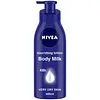
Water, Paraffinum Liquidum, Isohexadecane, Glycerin, Isopropyl Palmitate, PEG-40 Sorbitan Perisostearate, Cera Microcristallina, Polyglyceryl-3 Diisostearate, Prunus Amygdalus Dulcis Oil, Tocopherol, Magnesium Sulfate, Sodium Citrate, Citric Acid, Tocopheryl Acetate, Potassium Sorbate, Linalool, Limonene, Benzyl Alcohol, Geraniol, Citronellol, Alpha-Isomethyl Ionone, Benzyl Benzoate, Parfum
Reviews
Ingredients Explained
These ingredients are found in both products.
Ingredients higher up in an ingredient list are typically present in a larger amount.
Benzyl Benzoate is usually created from the condensation of benzoic acid and benzyl alcohol. It is used as a preservative, solvent, and has a floral/balsamic scent in large amounts.
As a preservative, Benzyl Benzoate works against bacteria and fungus. It is often used to treat scabies and lice in medicine.
Solvents are used to keep ingredients together in a product. They can help dissolve ingredients to stable bases or help evenly distribute ingredients throughout the product.
Due to its fragrance, Benzyl Benzoate can be sensitizing and may cause contact dermatitis. It is a known EU allergen. We recommend speaking with a professional if you have any concerns.
Benzyl Benzoate can be naturally found in cranberries and peaches.
Learn more about Benzyl BenzoateCitric Acid is an alpha hydroxy acid (AHA) naturally found in citrus fruits like oranges, lemons, and limes.
Like other AHAs, citric acid can exfoliate skin by breaking down the bonds that hold dead skin cells together. This helps reveal smoother and brighter skin underneath.
However, this exfoliating effect only happens at high concentrations (20%) which can be hard to find in cosmetic products.
Due to this, citric acid is usually included in small amounts as a pH adjuster. This helps keep products slightly more acidic and compatible with skin's natural pH.
In skincare formulas, citric acid can:
While it can provide some skin benefits, research shows lactic acid and glycolic acid are generally more effective and less irritating exfoliants.
Most citric acid used in skincare today is made by fermenting sugars (usually from molasses). This synthetic version is identical to the natural citrus form but easier to stabilize and use in formulations.
Read more about some other popular AHA's here:
Learn more about Citric AcidParfum is a catch-all term for an ingredient or more that is used to give a scent to products.
Also called "fragrance", this ingredient can be a blend of hundreds of chemicals or plant oils. This means every product with "fragrance" or "parfum" in the ingredients list is a different mixture.
For instance, Habanolide is a proprietary trade name for a specific aroma chemical. When used as a fragrance ingredient in cosmetics, most aroma chemicals fall under the broad labeling category of “FRAGRANCE” or “PARFUM” according to EU and US regulations.
The term 'parfum' or 'fragrance' is not regulated in many countries. In many cases, it is up to the brand to define this term.
For instance, many brands choose to label themselves as "fragrance-free" because they are not using synthetic fragrances. However, their products may still contain ingredients such as essential oils that are considered a fragrance by INCI standards.
One example is Calendula flower extract. Calendula is an essential oil that still imparts a scent or 'fragrance'.
Depending on the blend, the ingredients in the mixture can cause allergies and sensitivities on the skin. Some ingredients that are known EU allergens include linalool and citronellol.
Parfum can also be used to mask or cover an unpleasant scent.
The bottom line is: not all fragrances/parfum/ingredients are created equally. If you are worried about fragrances, we recommend taking a closer look at an ingredient. And of course, we always recommend speaking with a professional.
Learn more about ParfumPrunus Amygdalus Dulcis Oil comes from the sweet almond, a tree native to Iran. This oil has no fragrance and is non-volatile.
Almonds contain healthy fats, vitamins, and minerals. It is a rich source of Vitamin E, a great antioxidant and skin conditioning ingredient. Sweet almond oil contains fatty acids such as linolenic acid and triglycerides.
The content of sweet almond oil makes it a great emollient; it can help soften and hydrate your skin. Emollients create a barrier over your skin to trap moisture in. Sweet almond oil has antioxidant properties.
Those with an almond allergy should be careful of this ingredient and speak with a professional about using it in your skincare.
This ingredient may not be fungal-acne safe.
Learn more about Prunus Amygdalus Dulcis OilTocopherol (also known as Vitamin E) is a common antioxidant used to help protect the skin from free-radicals and strengthen the skin barrier. It's also fat soluble - this means our skin is great at absorbing it.
Vitamin E also helps keep your natural skin lipids healthy. Your lipid skin barrier naturally consists of lipids, ceramides, and fatty acids. Vitamin E offers extra protection for your skin’s lipid barrier, keeping your skin healthy and nourished.
Another benefit is a bit of UV protection. Vitamin E helps reduce the damage caused by UVB rays. (It should not replace your sunscreen). Combining it with Vitamin C can decrease sunburned cells and hyperpigmentation after UV exposure.
You might have noticed Vitamin E + C often paired together. This is because it is great at stabilizing Vitamin C. Using the two together helps increase the effectiveness of both ingredients.
There are often claims that Vitamin E can reduce/prevent scarring, but these claims haven't been confirmed by scientific research.
Learn more about TocopherolTocopheryl Acetate is AKA Vitamin E. It is an antioxidant and protects your skin from free radicals. Free radicals damage the skin by breaking down collagen.
One study found using Tocopheryl Acetate with Vitamin C decreased the number of sunburned cells.
Tocopheryl Acetate is commonly found in both skincare and dietary supplements.
Learn more about Tocopheryl AcetateWater. It's the most common cosmetic ingredient of all. You'll usually see it at the top of ingredient lists, meaning that it makes up the largest part of the product.
So why is it so popular? Water most often acts as a solvent - this means that it helps dissolve other ingredients into the formulation.
You'll also recognize water as that liquid we all need to stay alive. If you see this, drink a glass of water. Stay hydrated!
Learn more about Water
