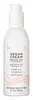
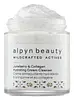
Pacifica Vegan Cream Creamy Gel Cleanser Versus alpyn beauty Juneberry & Collagen Hydrating Cream Cleanser
This mild cream cleanser is made to cleanse without leaving your skin tight or dry.
This mild cream cleanser is made to cleanse without leaving your skin tight or dry.

What's inside
What's inside
 Key Ingredients
Benefits
Concerns
Ingredients Side-by-side
Water
Skin ConditioningSodium Lauroyl Methyl Isethionate
CleansingGlycerin
Humectant


Glyceryl Stearate Se
Emulsifying




Xanthan Gum
EmulsifyingSr-Hydrozoan Polypeptide-1
Humectant
Chamomilla Recutita Flower Extract
Masking

Citrus Aurantium Dulcis Flower Extract
Skin ConditioningJasminum Officinale Flower Extract
Masking


Leuconostoc/Radish Root Ferment Filtrate
Antimicrobial
Simmondsia Chinensis Seed Oil
Emollient
Sodium Hyaluronate
Humectant

Arnica Montana Flower Extract
Masking
Hydrolyzed Jojoba Esters
Skin Conditioning
Phospholipids
Skin Conditioning
Caprylyl/Capryl Glucoside
CleansingGlyceryl Undecylenate
Emollient
Glyceryl Caprylate
EmollientTrisodium Ethylenediamine Disuccinate
ChelatingGlucose
Humectant
Propanediol
Solvent
Maltodextrin
Absorbent
Sodium Benzoate
Masking
Ethylhexylglycerin
Skin ConditioningPhenoxyethanol
Preservative
Parfum
Masking
Water, Sodium Lauroyl Methyl Isethionate, Glycerin, Glyceryl Stearate Se, Xanthan Gum, Sr-Hydrozoan Polypeptide-1, Chamomilla Recutita Flower Extract, Citrus Aurantium Dulcis Flower Extract, Jasminum Officinale Flower Extract, Leuconostoc/Radish Root Ferment Filtrate, Simmondsia Chinensis Seed Oil, Sodium Hyaluronate, Arnica Montana Flower Extract, Hydrolyzed Jojoba Esters, Phospholipids, Caprylyl/Capryl Glucoside, Glyceryl Undecylenate, Glyceryl Caprylate, Trisodium Ethylenediamine Disuccinate, Glucose, Propanediol, Maltodextrin, Sodium Benzoate, Ethylhexylglycerin, Phenoxyethanol, Parfum
Water
Skin ConditioningHelianthus Annuus Seed Oil
Emollient
Cetyl Alcohol
Emollient

Glycerin
Humectant
Cetearyl Alcohol
Emollient
Cetearyl Olivate
Sorbitan Olivate
Emulsifying
Theobroma Cacao Seed Butter
Emollient
Propanediol
Solvent
Kaolin
Abrasive



Decyl Glucoside
Cleansing
Bakuchiol
Antimicrobial




Collagen
Moisturising
Jojoba Esters
Emollient
Amelanchier Alnifolia Fruit Extract
Skin ConditioningSclerotium Gum
Emulsion StabilisingCetearyl Glucoside
Emulsifying
Caprylyl Glycol
Emollient
1,2-Hexanediol
Skin Conditioning
Sodium Lauroyl Sarcosinate
CleansingAcacia Senegal Gum
MaskingXanthan Gum
EmulsifyingCitric Acid
Buffering
Eucalyptus Globulus Leaf Oil
Perfuming
Tremella Fuciformis Polysaccharide
Emulsion Stabilising
Salicylic Acid
Masking

Menthol
Masking
Simmondsia Chinensis Seed Oil
Emollient
Glucose
Humectant
Iron Oxides
CI 77491
Cosmetic ColorantCaprylic/Capric Triglyceride
Masking
3-O-Ethyl Ascorbic Acid
Skin Conditioning
Pistacia Lentiscus Gum
MaskingHydrogenated Lecithin
Emulsifying
Phenethyl Alcohol
MaskingEthylhexylglycerin
Skin ConditioningWater, Helianthus Annuus Seed Oil, Cetyl Alcohol, Glycerin, Cetearyl Alcohol, Cetearyl Olivate, Sorbitan Olivate, Theobroma Cacao Seed Butter, Propanediol, Kaolin, Decyl Glucoside, Bakuchiol, Collagen, Jojoba Esters, Amelanchier Alnifolia Fruit Extract, Sclerotium Gum, Cetearyl Glucoside, Caprylyl Glycol, 1,2-Hexanediol, Sodium Lauroyl Sarcosinate, Acacia Senegal Gum, Xanthan Gum, Citric Acid, Eucalyptus Globulus Leaf Oil, Tremella Fuciformis Polysaccharide, Salicylic Acid, Menthol, Simmondsia Chinensis Seed Oil, Glucose, Iron Oxides, CI 77491, Caprylic/Capric Triglyceride, 3-O-Ethyl Ascorbic Acid, Pistacia Lentiscus Gum, Hydrogenated Lecithin, Phenethyl Alcohol, Ethylhexylglycerin
Reviews
Ingredients Explained
These ingredients are found in both products.
Ingredients higher up in an ingredient list are typically present in a larger amount.
Ethylhexylglycerin is created from glycerin. It is a multitasker ingredient that:
The CIR Expert Panel found minimal skin absorption or sensitization of any kind in a safety assessment. Though this ingredient is considered well-tolerated, a small number of cases of allergic dermatitis have been published since 2002. Just be sure to patch test if you are unsure.
Industry-reported use ranges from 8% in rinse-off products and 2% in leave-on formulations.
Learn more about EthylhexylglycerinGlucose is a simple sugar (a monosaccharide). In skincare, it is mostly a humectant and skin conditioning agent.
Mechanistically, it has multiple hydroxyl groups that hydrogen-bond to water. This pulls moisture into the upper layers of skin to keep the surface soft and hydrated.
It's worth knowing sugars are already a natural component of the skin's NMF (natural moisturizing factor) so it's a molecule that your stratum corneum is well-acquainted with.
Just so you know, glucose is hydrophilic (water-loving) and the stratum corneum is a strong barrier to hydrophilic compounds. This just means penetration is slow and most of the action is happening on the surface.
Gram-to-gram, glucose is not as efficient as a humectant as glycerin. This is why you'll likely see glycose paired with stronger humectants for a bigger hydration payoff.
In skincare, glucose is typically derived from corn or other starch sources.
Learn more about GlucoseGlycerin (or glycerol) is a compound naturally found in your skin. It's a powerhouse humectant that pulls water into the stratum corneum.
Topically, glycerin does several things at once:
Your skin makes glycerin on its own (mostly from sebaceous oil breakdown) and shuttles it to your outermost layer of skin, or your epidermis, via aquaporin-3.
Aquaporin-3 is a transporter that is essential for normal skin hydration, elasticity, and repair. Interestingly, mice lacking in AQP3 have dry and less elastic skin that can be fully corrected with glycerin.
This ingredient is non-irritating, plays well with almost every ingredient, and works across all skin types. Typical use is anywhere between 3-10% but can go up to 79% in some leave-on products.
Just know very high concentrations (>40%) can feel tacky in low humidity.
Glycerin is the name for this ingredient in American English. British English uses Glycerol/Glycerine.
Learn more about GlycerinPropanediol is an all-star ingredient. It softens, hydrates, and smooths the skin.
It’s often used to:
Propanediol is not likely to cause sensitivity and considered safe to use. It is derived from corn or petroleum with a clear color and no scent.
Learn more about PropanediolJojoba oil is one of the most well-studied plant-derived ingredients in cosmetics. It is an emollient with a special structure.
Because it is made up of 97-98% wax esters, it closely mirrors the linear monoesters found in human sebum. This makes it skin compatible, non-greasy, and lightweight.
Unlike other plant oils, jojoba wax doesn't easily penetrate skin. It mostly works in the uppermost layers as an emollient. This just means it forms a light barrier on the skin to help retain moisture.
Formulations with jojoba esters up to 90% reduced transepidermal water loss (TEWL) and increased barrier recovery by 81% (outperforming bisabolol at 47%).
Besides barrier support, the science also suggests jojoba to have anti-inflammatory effects and potential applications for skin infections, aging, and wound healing.
Fun fact: Indigenous cultures have used jojoba as a moisturizer and to help treat burns for centuries.
Fungal acne: The Malassezia yeast is known to metabolize fatty acids in the C11-24 range and jojoba's dominant fatty acid components fall into this range. This ingredient may not be fungal acne safe.
Learn more about Simmondsia Chinensis Seed OilWater. It's the most common cosmetic ingredient of all. You'll usually see it at the top of ingredient lists, meaning that it makes up the largest part of the product.
So why is it so popular? Water most often acts as a solvent - this means that it helps dissolve other ingredients into the formulation.
You'll also recognize water as that liquid we all need to stay alive. If you see this, drink a glass of water. Remember to stay hydrated!
Learn more about WaterXanthan gum is used as a stabilizer and thickener within cosmetic products. It helps give products a sticky, thick feeling - preventing them from being too runny.
On the technical side of things, xanthan gum is a polysaccharide - a combination consisting of multiple sugar molecules bonded together.
Xanthan gum is a pretty common and great ingredient. It is a natural, non-toxic, non-irritating ingredient that is also commonly used in food products.
Learn more about Xanthan Gum

