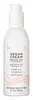
This mild cream cleanser is made to cleanse without leaving your skin tight or dry.
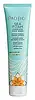
This mild gel cleanser is made to cleanse while calming and soothing your skin.

What's inside
What's inside
 Key Ingredients
Benefits
Concerns
Ingredients Side-by-side
Water
Skin ConditioningSodium Lauroyl Methyl Isethionate
CleansingGlycerin
Humectant


Glyceryl Stearate Se
Emulsifying




Xanthan Gum
EmulsifyingSr-Hydrozoan Polypeptide-1
Humectant
Chamomilla Recutita Flower Extract
Masking

Citrus Aurantium Dulcis Flower Extract
Skin ConditioningJasminum Officinale Flower Extract
Masking


Leuconostoc/Radish Root Ferment Filtrate
Antimicrobial
Simmondsia Chinensis Seed Oil
Emollient
Sodium Hyaluronate
Humectant

Arnica Montana Flower Extract
Masking
Hydrolyzed Jojoba Esters
Skin Conditioning
Phospholipids
Skin Conditioning
Caprylyl/Capryl Glucoside
CleansingGlyceryl Undecylenate
Emollient
Glyceryl Caprylate
EmollientTrisodium Ethylenediamine Disuccinate
ChelatingGlucose
Humectant
Propanediol
Solvent
Maltodextrin
Absorbent
Sodium Benzoate
Masking
Ethylhexylglycerin
Skin ConditioningPhenoxyethanol
Preservative
Parfum
Masking
Water, Sodium Lauroyl Methyl Isethionate, Glycerin, Glyceryl Stearate Se, Xanthan Gum, Sr-Hydrozoan Polypeptide-1, Chamomilla Recutita Flower Extract, Citrus Aurantium Dulcis Flower Extract, Jasminum Officinale Flower Extract, Leuconostoc/Radish Root Ferment Filtrate, Simmondsia Chinensis Seed Oil, Sodium Hyaluronate, Arnica Montana Flower Extract, Hydrolyzed Jojoba Esters, Phospholipids, Caprylyl/Capryl Glucoside, Glyceryl Undecylenate, Glyceryl Caprylate, Trisodium Ethylenediamine Disuccinate, Glucose, Propanediol, Maltodextrin, Sodium Benzoate, Ethylhexylglycerin, Phenoxyethanol, Parfum
Water
Skin ConditioningCocamidopropyl Betaine
Cleansing
Sodium Cocoyl Glutamate
Cleansing
Sodium Coco Sulfoacetate
CleansingSodium Cocoamphoacetate
CleansingDecyl Glucoside
Cleansing
Aloe Barbadensis Leaf Juice
Skin Conditioning
Glycerin
Humectant
Magnesium Ascorbyl Phosphate
Antioxidant




Glycol Stearate
Emollient
Carica Papaya Fermented Extract
Citrus Limon Fruit Extract
Masking
Bioflavonoids
Skin ConditioningCocos Nucifera Oil
Masking
Cocos Nucifera Water
Masking
Citric Acid
Buffering
Tocopheryl Acetate
Antioxidant
Panthenol
Skin Conditioning
Sodium PCA
Humectant
Allantoin
Skin Conditioning
Porphyra Umbilicalis Extract
Skin ConditioningGarcinia Mangostana Peel Extract
Skin ConditioningCamellia Sinensis Leaf Extract
Antimicrobial
Algae Extract
Emollient
Sodium Benzoate
Masking
Potassium Sorbate
Preservative
Ethylhexylglycerin
Skin ConditioningParfum
Masking
Water, Cocamidopropyl Betaine, Sodium Cocoyl Glutamate, Sodium Coco Sulfoacetate, Sodium Cocoamphoacetate, Decyl Glucoside, Aloe Barbadensis Leaf Juice, Glycerin, Magnesium Ascorbyl Phosphate, Glycol Stearate, Carica Papaya Fermented Extract, Citrus Limon Fruit Extract, Bioflavonoids, Cocos Nucifera Oil, Cocos Nucifera Water, Citric Acid, Tocopheryl Acetate, Panthenol, Sodium PCA, Allantoin, Porphyra Umbilicalis Extract, Garcinia Mangostana Peel Extract, Camellia Sinensis Leaf Extract, Algae Extract, Sodium Benzoate, Potassium Sorbate, Ethylhexylglycerin, Parfum
Reviews
Ingredients Explained
These ingredients are found in both products.
Ingredients higher up in an ingredient list are typically present in a larger amount.
Ethylhexylglycerin is created from glycerin. It is a multitasker ingredient that:
The CIR Expert Panel found minimal skin absorption or sensitization of any kind in a safety assessment. Though this ingredient is considered well-tolerated, a small number of cases of allergic dermatitis have been published since 2002. Just be sure to patch test if you are unsure.
Industry-reported use ranges from 8% in rinse-off products and 2% in leave-on formulations.
Learn more about EthylhexylglycerinGlycerin (or glycerol) is a compound naturally found in your skin. It's a powerhouse humectant that pulls water into the stratum corneum.
Topically, glycerin does several things at once:
Your skin makes glycerin on its own (mostly from sebaceous oil breakdown) and shuttles it to your outermost layer of skin, or your epidermis, via aquaporin-3.
Aquaporin-3 is a transporter that is essential for normal skin hydration, elasticity, and repair. Interestingly, mice lacking in AQP3 have dry and less elastic skin that can be fully corrected with glycerin.
This ingredient is non-irritating, plays well with almost every ingredient, and works across all skin types. Typical use is anywhere between 3-10% but can go up to 79% in some leave-on products.
Just know very high concentrations (>40%) can feel tacky in low humidity.
Glycerin is the name for this ingredient in American English. British English uses Glycerol/Glycerine.
Learn more about GlycerinParfum is a catch-all term for an ingredient or more that is used to give a scent to products.
Also called "fragrance", this ingredient can be a blend of hundreds of chemicals or plant oils. This means every product with "fragrance" or "parfum" in the ingredients list is a different mixture.
For instance, Habanolide is a proprietary trade name for a specific aroma chemical. When used as a fragrance ingredient in cosmetics, most aroma chemicals fall under the broad labeling category of “FRAGRANCE” or “PARFUM” according to EU and US regulations.
The term 'parfum' or 'fragrance' is not regulated in many countries. In many cases, it is up to the brand to define this term.
For instance, many brands choose to label themselves as "fragrance-free" because they are not using synthetic fragrances. However, their products may still contain ingredients such as essential oils that are considered a fragrance by INCI standards.
One example is Calendula flower extract. Calendula is an essential oil that still imparts a scent or 'fragrance'.
Depending on the blend, the ingredients in the mixture can cause allergies and sensitivities on the skin. Some ingredients that are known EU allergens include linalool and citronellol.
Parfum can also be used to mask or cover an unpleasant scent.
The bottom line is: not all fragrances/parfum/ingredients are created equally. If you are worried about fragrances, we recommend taking a closer look at an ingredient. And of course, we always recommend speaking with a professional.
Learn more about ParfumSodium Benzoate is a preservative. It's used in both cosmetic and food products to inhibit the growth of mold and bacteria. It is typically produced synthetically.
Both the US FDA and EU Health Committee have approved the use of sodium benzoate. In the US, levels of 0.1% (of the total product) are allowed.
Sodium benzoate works as a preservative by inhibiting the growth of bacteria inside of cells. It prevents the cell from fermenting a type of sugar using an enzyme called phosphofructokinase.
It is the salt of benzoic acid. Foods containing sodium benzoate include soda, salad dressings, condiments, fruit juices, wines, and snack foods.
Studies for using ascorbic acid and sodium benzoate in cosmetics are lacking, especially in skincare routines with multiple steps.
We always recommend speaking with a professional, such as a dermatologist, if you have any concerns.
Learn more about Sodium BenzoateWater. It's the most common cosmetic ingredient of all. You'll usually see it at the top of ingredient lists, meaning that it makes up the largest part of the product.
So why is it so popular? Water most often acts as a solvent - this means that it helps dissolve other ingredients into the formulation.
You'll also recognize water as that liquid we all need to stay alive. If you see this, drink a glass of water. Remember to stay hydrated!
Learn more about Water

