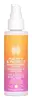
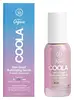
Pacifica Sea & C Mattify & Protect Daily Priming Lotion SPF 35 Versus COOLA Dew Good Illuminating Serum Sunscreen
This hybrid sunscreen covers the full UV range and blocks ~97% of UVB at SPF 35.
This hybrid sunscreen covers the full UV range, though its SPF isn't confirmed on file yet.

What's inside
What's inside
 Key Ingredients
Benefits
Concerns
Ingredients Side-by-side
Octocrylene 7.6%
UV Absorber



Zinc Oxide 6%
Cosmetic Colorant
Water
Skin ConditioningCoconut Alkanes
Emollient

Calcium Sodium Borosilicate
Butyloctyl Salicylate
Skin Conditioning
Propanediol
Solvent

Cetearyl Alcohol
Emollient



Parfum
Masking

Niacinamide
Smoothing









Tetrahexyldecyl Ascorbate
Antioxidant

Jojoba Esters
Emollient
Laminaria Digitata Extract
Skin Protecting
Ascophyllum Nodosum Extract
Skin Conditioning
Tocopherol
Antioxidant
Caprylhydroxamic Acid
ChelatingCaprylyl Glycol
Emollient
Cetyl Alcohol
Emollient
Citric Acid
Buffering
Coco-Caprylate/Caprate
Emollient
Coco-Glucoside
Cleansing
Ethyl Ferulate
Antioxidant
Glycerin
Humectant
Montmorillonite
AbsorbentSclerotium Gum
Emulsion StabilisingSodium Gluconate
ChelatingSodium Stearoyl Glutamate
CleansingSucrose Distearate
Emollient
Sucrose Stearate
EmollientXanthan Gum
EmulsifyingOctocrylene 7.6%, Zinc Oxide 6%, Water, Coconut Alkanes, Calcium Sodium Borosilicate, Butyloctyl Salicylate, Propanediol, Cetearyl Alcohol, Parfum, Niacinamide, Tetrahexyldecyl Ascorbate, Jojoba Esters, Laminaria Digitata Extract, Ascophyllum Nodosum Extract, Tocopherol, Caprylhydroxamic Acid, Caprylyl Glycol, Cetyl Alcohol, Citric Acid, Coco-Caprylate/Caprate, Coco-Glucoside, Ethyl Ferulate, Glycerin, Montmorillonite, Sclerotium Gum, Sodium Gluconate, Sodium Stearoyl Glutamate, Sucrose Distearate, Sucrose Stearate, Xanthan Gum
Butyl Methoxydibenzoylmethane 3%
UV Absorber
Ethylhexyl Salicylate 4%
UV Absorber
Octocrylene 8%
UV Absorber
Aloe Barbadensis Leaf Juice
Skin Conditioning
Butyloctyl Salicylate
Skin Conditioning
Glycerin
Humectant
Ammonium Acryloyldimethyltaurate/Vp Copolymer
CI 77163
Cosmetic Colorant
Lactobacillus Ferment
Skin Conditioning
Jasminum Sambac Leaf Cell Extract
Masking
Theobroma Cacao Seed Extract
Antioxidant
Schinus Molle Extract
Skin ProtectingWater
Skin ConditioningTitanium Dioxide
Cosmetic Colorant
Ethyl Ferulate
Antioxidant
Tropolone
Skin ConditioningMica
Cosmetic ColorantHydroxyacetophenone
Antioxidant
Propanediol
Solvent
Butylene Glycol
Humectant
Sodium Stearoyl Glutamate
Cleansing1,2-Hexanediol
Skin Conditioning
Caprylyl Glycol
Emollient
Ethylhexyl Hydroxystearate
Emollient
Maltodextrin
Absorbent
Sodium Phytate
ChelatingParfum
Masking
Butyl Methoxydibenzoylmethane 3%, Ethylhexyl Salicylate 4%, Octocrylene 8%, Aloe Barbadensis Leaf Juice, Butyloctyl Salicylate, Glycerin, Ammonium Acryloyldimethyltaurate/Vp Copolymer, CI 77163, Lactobacillus Ferment, Jasminum Sambac Leaf Cell Extract, Theobroma Cacao Seed Extract, Schinus Molle Extract, Water, Titanium Dioxide, Ethyl Ferulate, Tropolone, Mica, Hydroxyacetophenone, Propanediol, Butylene Glycol, Sodium Stearoyl Glutamate, 1,2-Hexanediol, Caprylyl Glycol, Ethylhexyl Hydroxystearate, Maltodextrin, Sodium Phytate, Parfum
Ingredients Explained
These ingredients are found in both products.
Ingredients higher up in an ingredient list are typically present in a larger amount.
Butyloctyl Salicylate is a chemical UV filter structurally similar to octisalate. It is a photostabilizer, SPF booster, emollient and solvent. This ingredient helps evenly spread out ingredients.
According to a manufacturer, it is suitable for pairing with micro Titanium Dioxide, Zinc Oxide, and pigments.
Photostabilizers help stabilize UV-filters and prevents them from degrading quickly.
Learn more about Butyloctyl SalicylateCaprylyl Glycol is a humectant, skin conditioner, emollient, and preservative booster derived from either caprylic acid or synthetically created.
Typical use levels vary from 0.3-1% as a preservative booster and go up to 2% to condition skin.
Because it is not a free-fatty acid, this ingredient is fungal acne safe (there's nothing for Malassezia to feed on).
Learn more about Caprylyl GlycolEthyl ferulate is an antioxidant derived from ferulic acid and ethyl alcohol. You'll most likely see this ingredient in sunscreens.
One study from 2014 found a concentration of 10% showed a similar SPF to Benzimidazole. Though this is considered a chemical UV filter, this ingredient is not listed as so. This is due to regulatory loopholes. You'll likely find this ingredient in "100% mineral" sunscreens.
This ingredient is typically found in concentrations between 0.5-1%. It is usually created synthetically or from rice bran oil.
Learn more about Ethyl FerulateGlycerin (or glycerol) is a compound naturally found in your skin. It's a powerhouse humectant that pulls water into the stratum corneum.
Topically, glycerin does several things at once:
Your skin makes glycerin on its own (mostly from sebaceous oil breakdown) and shuttles it to your outermost layer of skin, or your epidermis, via aquaporin-3.
Aquaporin-3 is a transporter that is essential for normal skin hydration, elasticity, and repair. Interestingly, mice lacking in AQP3 have dry and less elastic skin that can be fully corrected with glycerin.
This ingredient is non-irritating, plays well with almost every ingredient, and works across all skin types. Typical use is anywhere between 3-10% but can go up to 79% in some leave-on products.
Just know very high concentrations (>40%) can feel tacky in low humidity.
Glycerin is the name for this ingredient in American English. British English uses Glycerol/Glycerine.
Learn more about GlycerinOctocrylene is an oil-soluble organic UV filter that mainly absorbs UVB and short wave UVA II light.
Its real superpower is teamwork: octocrylene is remarkably photostable and is most famous for stabilizing avobenzone (the workhorse UVA filter).
This ingredient is commonly used to enhance both UVB and UVA protection due to its unique property in stabilizing avobenzone. It also pulls double duty by boosting water resistance and giving formulas a smooth, spreadable feel.
The EU's Scientific Committee on Consumer Safety (SCCS) has deemed octocrylene to be safe as a UV-filter at concentrations up to 10% (capped at 9% in propellant sprays). The US also permits it up to 10%.
Two things worth knowing:
You'll usually see this ingredient used in concentrations between 2-10% (higher amounts when used as a stabilizer for avobenzone).
Learn more about OctocryleneParfum is a catch-all term for an ingredient or more that is used to give a scent to products.
Also called "fragrance", this ingredient can be a blend of hundreds of chemicals or plant oils. This means every product with "fragrance" or "parfum" in the ingredients list is a different mixture.
For instance, Habanolide is a proprietary trade name for a specific aroma chemical. When used as a fragrance ingredient in cosmetics, most aroma chemicals fall under the broad labeling category of “FRAGRANCE” or “PARFUM” according to EU and US regulations.
The term 'parfum' or 'fragrance' is not regulated in many countries. In many cases, it is up to the brand to define this term.
For instance, many brands choose to label themselves as "fragrance-free" because they are not using synthetic fragrances. However, their products may still contain ingredients such as essential oils that are considered a fragrance by INCI standards.
One example is Calendula flower extract. Calendula is an essential oil that still imparts a scent or 'fragrance'.
Depending on the blend, the ingredients in the mixture can cause allergies and sensitivities on the skin. Some ingredients that are known EU allergens include linalool and citronellol.
Parfum can also be used to mask or cover an unpleasant scent.
The bottom line is: not all fragrances/parfum/ingredients are created equally. If you are worried about fragrances, we recommend taking a closer look at an ingredient. And of course, we always recommend speaking with a professional.
Learn more about ParfumPropanediol is an all-star ingredient. It softens, hydrates, and smooths the skin.
It’s often used to:
Propanediol is not likely to cause sensitivity and considered safe to use. It is derived from corn or petroleum with a clear color and no scent.
Learn more about PropanediolSodium Stearoyl Glutamate is an amino-acid based emulsifier. It is made by combining stearic acid with L-glutamic acid and neutralizing it to a sodium salt.
As an emulsifier, it works mainly as an oil-in-water one and helps keep the oil and water in your formulas blended. It also contributes to a smooth, non-greasy skin feel.
This ingredient is biodegradable and commonly available in natural/COSMOS-certified grades.
Learn more about Sodium Stearoyl GlutamateWater. It's the most common cosmetic ingredient of all. You'll usually see it at the top of ingredient lists, meaning that it makes up the largest part of the product.
So why is it so popular? Water most often acts as a solvent - this means that it helps dissolve other ingredients into the formulation.
You'll also recognize water as that liquid we all need to stay alive. If you see this, drink a glass of water. Remember to stay hydrated!
Learn more about Water

