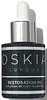
This hydrating oil is formulated around Oryza Sativa Bran Oil and Oenothera Biennis Oil to hydrate skin and calm redness.
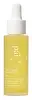
This barrier-repair oil is formulated around Ceramide AP and Chamomilla Recutita Flower Extract to strengthen the skin barrier and calm redness.


What's inside
What's inside
 Key Ingredients
Benefits
Concerns
Ingredients Side-by-side
Oryza Sativa Bran Oil
Emollient





Helianthus Annuus Seed Oil
Emollient
Coconut Alkanes
Emollient


Caprylic/Capric Triglyceride
Masking
Helianthus Annuus Seed Oil Unsaponifiables
Emollient
Oenothera Biennis Oil
Emollient
Rosa Canina Seed Oil
Emollient
Octyldodecanol
Emollient
Coco-Caprylate/Caprate
Emollient
Echium Plantagineum Seed Oil
Skin Conditioning
Curcuma Longa Root Extract
Antioxidant

Tocopherol
Antioxidant



Lupinus Albus Seed Extract
Skin ConditioningAnthemis Nobilis Flower Oil
Masking

Borago Officinalis Seed Oil
Emollient
Citrus Aurantium Dulcis Peel Oil
Masking
Crithmum Maritimum Extract
Skin ConditioningLecithin
Emollient
Ascorbyl Palmitate
Antioxidant

Pelargonium Graveolens Oil
Masking
Spilanthes Acmella Flower Extract
Skin ConditioningRetinyl Palmitate
Skin Conditioning
Lavandula Hybrida Grosso Herb Oil
Perfuming
Rosa Damascena Flower Oil
Masking
Glyceryl Stearate
Emollient
Cinnamomum Camphora Linalooliferum Wood Oil
Perfuming
Alaria Esculenta Extract
Skin Protecting
Rosmarinus Officinalis Leaf Extract
AntimicrobialVitis Vinifera Seed Oil
Emollient
Cardiospermum Halicacabum Flower/Leaf/Vine Extract
Skin ConditioningGlyceryl Oleate
Emollient
Mentha Arvensis Leaf Oil
Masking
Vanilla Planifolia Fruit Extract
Skin Conditioning
Cymbopogon Nardus Oil
Masking
Santalum Album Oil
Masking
Eugenia Caryophyllus Leaf Oil
Masking
Menthol
Masking
Citric Acid
Buffering
Limonene
Perfuming
Geraniol
Perfuming
Linalool
Perfuming
Citronellol
Perfuming
Citral
Perfuming
Oryza Sativa Bran Oil, Helianthus Annuus Seed Oil, Coconut Alkanes, Caprylic/Capric Triglyceride, Helianthus Annuus Seed Oil Unsaponifiables, Oenothera Biennis Oil, Rosa Canina Seed Oil, Octyldodecanol, Coco-Caprylate/Caprate, Echium Plantagineum Seed Oil, Curcuma Longa Root Extract, Tocopherol, Lupinus Albus Seed Extract, Anthemis Nobilis Flower Oil, Borago Officinalis Seed Oil, Citrus Aurantium Dulcis Peel Oil, Crithmum Maritimum Extract, Lecithin, Ascorbyl Palmitate, Pelargonium Graveolens Oil, Spilanthes Acmella Flower Extract, Retinyl Palmitate, Lavandula Hybrida Grosso Herb Oil, Rosa Damascena Flower Oil, Glyceryl Stearate, Cinnamomum Camphora Linalooliferum Wood Oil, Alaria Esculenta Extract, Rosmarinus Officinalis Leaf Extract, Vitis Vinifera Seed Oil, Cardiospermum Halicacabum Flower/Leaf/Vine Extract, Glyceryl Oleate, Mentha Arvensis Leaf Oil, Vanilla Planifolia Fruit Extract, Cymbopogon Nardus Oil, Santalum Album Oil, Eugenia Caryophyllus Leaf Oil, Menthol, Citric Acid, Limonene, Geraniol, Linalool, Citronellol, Citral
Plant Ash Extract
Theobroma Cacao Fruit Powder
Skin ConditioningCeramide AP
Skin Conditioning
Helianthus Annuus Seed Oil
Emollient
Carthamus Tinctorius Seed Oil
Masking
Aleurites Moluccanus Seed Oil
Skin Conditioning
Coconut Alkanes
Emollient
Vitis Vinifera Seed Oil
Emollient
Prunus Domestica Seed Oil
Skin Conditioning
Caprylic/Capric Triglyceride
Masking
Schisandra Sphenanthera Fruit Extract
Antioxidant
Theobroma Cacao Extract
Skin ConditioningTocopherol
Antioxidant
Water
Skin ConditioningGlycosphingolipids
EmollientGlycolipids
Skin ConditioningChamomilla Recutita Flower Extract
Masking
Plant Ash Extract, Theobroma Cacao Fruit Powder, Ceramide AP, Helianthus Annuus Seed Oil, Carthamus Tinctorius Seed Oil, Aleurites Moluccanus Seed Oil, Coconut Alkanes, Vitis Vinifera Seed Oil, Prunus Domestica Seed Oil, Caprylic/Capric Triglyceride, Schisandra Sphenanthera Fruit Extract, Theobroma Cacao Extract, Tocopherol, Water, Glycosphingolipids, Glycolipids, Chamomilla Recutita Flower Extract
Reviews
Ingredients Explained
These ingredients are found in both products.
Ingredients higher up in an ingredient list are typically present in a larger amount.
Caprylic/Capric Triglyceride (aka MCT Oil) is a lightweight emollient, solvent, and texture enhancer. It is considered a skin-softener by helping to prevent moisture loss.
Though it behaves like an oil, it is not technically one due to its chemical composition. One perk of this ingredient is that it is very stable, resistant to oxidation, and unlikely to go rancid.
In practice, that translates to a long shelf life and a consistently elegant skin feel.
While there is an assumption Caprylic Triglyceride can clog pores due to it being derived from coconut oil, there is no research supporting this. Just patch test if you have concerns.
Fractionated coconut oil and MCT Oil are both listed as Caprylic/Capric Triglyceride according to INCI. This is because INCI names are based on the ingredient’s final chemical composition and not its marketing name or source.
This ingredient is treated as the gold standard fungal acne safe oil. Even though it is coconut derived, the problematic lauric acid is stripped out.
This leaves just caprylic (C8) and capric (C10) acid. These chain lengths actually trend antifungal; a 2020 study found caprylic acid was enough to disrupt Malassezia furfur cell membrane, with a caprylic acid derivative damaging membrane structures at concentrations as low as 0.2%.
Learn more about Caprylic/Capric TriglycerideThis is a lightweight, plant-derived emollient and solvent made from the fatty acids of coconut oil.
It spreads easily and adds a soft, silky, non-greasy slip, then evaporates rather than sinking into skin. Due to this behavior, it's prized as a natural and renewable replacement for silicones.
Typical use concentrations can go anywhere up to 20%.
The CIR Expert Panel has reviewed coconut oil and its hydrogenated derivatives and found them to be safe as used in cosmetics. It's a low-irritating and well-tolerated ingredient with no notable sensitization concerns.
Because it's a pure saturated hydrocarbon and not a free fatty acid or ester in the C11-24 range that Malassezia can feed on, it doesn't provide the lipids for Malassezia to feed on. This ingredient is generally regarded as safe for fungal acne.
There's no comedogenicity data for this specific ingredient; the "coconut clogs pores" reputation comes from coconut oil which scored high on the old rabbit ear assay.
That method tested pure ingredients on rabbit ears and later work showed the results translate inconsistently to human skin.
Some people still find it breaks them out. So if that's you, definitely trust your skin.
Learn more about Coconut AlkanesHelianthus Annuus Seed Oil is a plant oil derived from the seeds of a sunflower.
It is rich in fatty acids, primarily linoleic acid and oleic acid. This gives it emollient and skin conditioning properties.
The reason this ingredient is so effective is because it forms a thin film on the skin that reduces transepidermal water loss (TEWL) while supplying linoleic acid to the stratum corneum to improve barrier strength.
The high linoleic acid content is particularly noteworthy for acne-prone skin.
Research suggests that acne-prone skin tends to be deficient in linoleic acid in sebum. Topical application may help replenish this to support a healthier follicular environment and less comedone-promoting sebum.
One randomized study found sunflower seed oil preserved skin barrier integrity in adult volunteers with and without atopic dermatitis (outperforming olive oil).
This ingredient is well-studied, gentle, and an effective emollient suitable for most skin types.
On fungal acne: This ingredient may not be Fungal acne (Malassezia folliculitis) safe. This is because it contains fatty acids with carbon chain lengths in the C11-C24 range.
Learn more about Helianthus Annuus Seed OilTocopherol is a fat-soluble antioxidant known as Vitamin E.
You'll find this ingredient in the vast majority of skincare (for good reason). It works to neutralize free radicals, or unstable molecules generated by UV exposure, pollution, and other environmental stressors, before they can cause oxidative damage to your skin cells.
Topically applied tocopherol has been shown to protect against UV damage by ramping up the skin's own natural defense enzymes.
It also acts as a skin conditioning agent; some studies show that regular topical use can improve the skin's water-binding capacity over 2-4 weeks.
This ingredient is especially loved for being a team player. When combined with Vitamin C, the photoprotective effect of both ingredients roughly doubles and the combo also helps reduce UV-induced DNA damage.
This ingredient has some brightening potential but it's more of a prevention ingredient than spot-fader. Cell studies show it can slow down melanin production but it's worth noting that it's not the most powerful brightener out there.
In formulations, it also serves as a stabilizer that helps protect other oxidation-prone ingredients from degrading.
Concentrations usually range from 0.1-1% in most leave-on products.
Learn more about TocopherolVitis Vinifera Seed Oil comes from the grape vine. Grape seeds are a byproduct of creating grape juice or wine.
The components of grape seeds have many skin benefits. Research has found it to be antimicrobial and anti-inflammatory. It also contains many potent antioxidants such as Vitamin E , Vitamin C, proanthocyanidins, polyphenols, flavonoids, and anthocyanins. Proanthocyanidin has been shown to help even out skin tone.
Antioxidants help fight free-radical molecules. Free-radical molecules are capable of damaging our cells and other genetic material. Antioxidants help stabilize free-radicals by donating extra electrons. Grape seed extract may help reduce the signs of aging.
The antimicrobial properties of grape seed may help treat acne. However, more research is needed to support this claim.
Grape seed has also been found to help absorb UV rays. Grape seed extract should not replace your sunscreen.
The fatty acids of grape seed oil give it emollient properties. Emollients help soothe and soften your skin by creating a film. This film traps moisture within, keeping your skin hydrated.
Learn more about Vitis Vinifera Seed Oil

