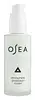
This barrier-repair moisturizer is formulated around Butyrospermum Parkii Butter and Simmondsia Chinensis Seed Oil to strengthen the skin barrier and hydrate skin.
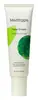
This anti-aging moisturizer is formulated around Aloe Barbadensis Leaf Juice and Palmitoyl Tripeptide-38 to soften the look of wrinkles and hydrate skin.

What's inside
What's inside
 Key Ingredients
Benefits
Concerns
Ingredients Side-by-side
Water
Skin ConditioningAlgae Extract
Emollient

Coco-Caprylate/Caprate
Emollient
Macadamia Ternifolia Seed Oil
Emollient



Sorbitan Olivate
Emulsifying
Cetearyl Glucoside
Emulsifying
Butyrospermum Parkii Butter
Skin Conditioning

Simmondsia Chinensis Seed Oil
Emollient
Persea Gratissima Oil
Skin Conditioning
Tocopherol
Antioxidant





Calendula Officinalis Flower Extract
Masking

Lysine Lauroyl Methionate
Skin ConditioningXanthan Gum
EmulsifyingLaminaria Digitata Extract
Skin Protecting
Ginkgo Biloba Leaf Extract
Skin Conditioning
Chamomilla Recutita Flower Extract
Masking
Lavandula Angustifolia Oil
Masking


Pelargonium Graveolens Oil
Masking
Magnesium Aluminum Silicate
Absorbent
Citrus Grandis Peel Oil
Masking
Potassium Sorbate
Preservative
Glycine
Buffering
Water, Algae Extract, Coco-Caprylate/Caprate, Macadamia Ternifolia Seed Oil, Sorbitan Olivate, Cetearyl Glucoside, Butyrospermum Parkii Butter, Simmondsia Chinensis Seed Oil, Persea Gratissima Oil, Tocopherol, Calendula Officinalis Flower Extract, Lysine Lauroyl Methionate, Xanthan Gum, Laminaria Digitata Extract, Ginkgo Biloba Leaf Extract, Chamomilla Recutita Flower Extract, Lavandula Angustifolia Oil, Pelargonium Graveolens Oil, Magnesium Aluminum Silicate, Citrus Grandis Peel Oil, Potassium Sorbate, Glycine
Water
Skin ConditioningAloe Barbadensis Leaf Juice
Skin Conditioning
Cetearyl Alcohol
Emollient
Glycerin
Humectant
Hydroxypropyl Cyclodextrin
MaskingPalmitoyl Tripeptide-38
Skin Conditioning

Carthamus Tinctorius Seed Oil
Masking
Caprylic/Capric Triglyceride
Masking
Niacinamide
Smoothing


Palmitoyl Dipeptide-5 Diaminobutyroyl Hydroxythreonine
Skin Conditioning
Palmitoyl Dipeptide-5 Diaminohydroxybutyrate
Skin Conditioning
Glyceryl Stearate
Emollient
Isopropyl Palmitate
Emollient
Phenethyl Alcohol
MaskingCaprylyl Glycol
Emollient
Ethylhexylglycerin
Skin ConditioningSodium PCA
Humectant
Sorbic Acid
Preservative
C10-18 Triglycerides
Emollient
Xanthan Gum
EmulsifyingArgania Spinosa Kernel Oil
Emollient
Potassium Sorbate
Preservative
Resveratrol
Antioxidant
Cocos Nucifera Oil
Masking
Citric Acid
Buffering
Camellia Sinensis Leaf Extract
Antimicrobial
Ubiquinone
Antioxidant
Opuntia Ficus-Indica Stem Extract
Skin Conditioning
Tocopherol
Antioxidant
Camellia Sinensis Extract
Antioxidant
Punica Granatum Seed Extract
Skin ConditioningTocotrienols
Skin Conditioning
Citrus Aurantifolia Fruit Extract
Skin ConditioningWater, Aloe Barbadensis Leaf Juice, Cetearyl Alcohol, Glycerin, Hydroxypropyl Cyclodextrin, Palmitoyl Tripeptide-38, Carthamus Tinctorius Seed Oil, Caprylic/Capric Triglyceride, Niacinamide, Palmitoyl Dipeptide-5 Diaminobutyroyl Hydroxythreonine, Palmitoyl Dipeptide-5 Diaminohydroxybutyrate, Glyceryl Stearate, Isopropyl Palmitate, Phenethyl Alcohol, Caprylyl Glycol, Ethylhexylglycerin, Sodium PCA, Sorbic Acid, C10-18 Triglycerides, Xanthan Gum, Argania Spinosa Kernel Oil, Potassium Sorbate, Resveratrol, Cocos Nucifera Oil, Citric Acid, Camellia Sinensis Leaf Extract, Ubiquinone, Opuntia Ficus-Indica Stem Extract, Tocopherol, Camellia Sinensis Extract, Punica Granatum Seed Extract, Tocotrienols, Citrus Aurantifolia Fruit Extract
Ingredients Explained
These ingredients are found in both products.
Ingredients higher up in an ingredient list are typically present in a larger amount.
Potassium Sorbate is a preservative used to prevent yeast and mold in products. It is commonly found in both cosmetic and food products.
This ingredient comes from potassium salt derived from sorbic acid. Sorbic acid is a natural antibiotic and effective against fungus.
Both potassium sorbate and sorbic acid can be found in baked goods, cheeses, dried meats, dried fruit, ice cream, pickles, wine, yogurt, and more.
You'll often find this ingredient used with other preservatives.
Learn more about Potassium SorbateTocopherol is a fat-soluble antioxidant known as Vitamin E.
You'll find this ingredient in the vast majority of skincare (for good reason). It works to neutralize free radicals, or unstable molecules generated by UV exposure, pollution, and other environmental stressors, before they can cause oxidative damage to your skin cells.
Topically applied tocopherol has been shown to protect against UV damage by ramping up the skin's own natural defense enzymes.
It also acts as a skin conditioning agent; some studies show that regular topical use can improve the skin's water-binding capacity over 2-4 weeks.
This ingredient is especially loved for being a team player. When combined with Vitamin C, the photoprotective effect of both ingredients roughly doubles and the combo also helps reduce UV-induced DNA damage.
This ingredient has some brightening potential but it's more of a prevention ingredient than spot-fader. Cell studies show it can slow down melanin production but it's worth noting that it's not the most powerful brightener out there.
In formulations, it also serves as a stabilizer that helps protect other oxidation-prone ingredients from degrading.
Concentrations usually range from 0.1-1% in most leave-on products.
Learn more about TocopherolWater. It's the most common cosmetic ingredient of all. You'll usually see it at the top of ingredient lists, meaning that it makes up the largest part of the product.
So why is it so popular? Water most often acts as a solvent - this means that it helps dissolve other ingredients into the formulation.
You'll also recognize water as that liquid we all need to stay alive. If you see this, drink a glass of water. Remember to stay hydrated!
Learn more about WaterXanthan gum is used as a stabilizer and thickener within cosmetic products. It helps give products a sticky, thick feeling - preventing them from being too runny.
On the technical side of things, xanthan gum is a polysaccharide - a combination consisting of multiple sugar molecules bonded together.
Xanthan gum is a pretty common and great ingredient. It is a natural, non-toxic, non-irritating ingredient that is also commonly used in food products.
Learn more about Xanthan Gum

