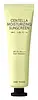
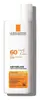
One Thing Centella Moisturizing Sunscreen SPF 50+ PA++++ Versus La Roche-Posay Anthelios Ultra Light Face Sunscreen-SPF 60
This hybrid sunscreen covers the full UV range and blocks ~98% of UVB at SPF 50.
This chemical sunscreen covers most of the UV range, lighter on the deep UVA that drives aging.


What's inside
What's inside
 Key Ingredients
Benefits
Concerns
Ingredients Side-by-side
Water
Skin ConditioningZinc Oxide
Cosmetic Colorant


Propylheptyl Caprylate
EmollientButyloctyl Salicylate
Skin Conditioning
Butylene Glycol Dicaprylate/Dicaprate
EmollientTitanium Dioxide
Cosmetic Colorant
Dicaprylyl Ether
Emollient
Caprylyl Methicone
Skin Conditioning
Propanediol
Solvent
Polyglyceryl-4 Diisostearate/Polyhydroxystearate/Sebacate
Emulsifying

Centella Asiatica Extract
Cleansing




Butylene Glycol
Humectant
Trimethylsiloxysilicate
Emollient
Sodium Hyaluronate
Humectant
Disteardimonium Hectorite
StabilisingMagnesium Sulfate
Stearic Acid
Cleansing
Aluminum Hydroxide
EmollientTriethoxycaprylylsilane
Polyglyceryl-3 Polydimethylsiloxyethyl Dimethicone
Skin Conditioning
1,2-Hexanediol
Skin Conditioning
Polymethylsilsesquioxane
Glyceryl Caprylate
EmollientCaprylyl Glycol
Emollient
Ethylhexylglycerin
Skin ConditioningWater, Zinc Oxide, Propylheptyl Caprylate, Butyloctyl Salicylate, Butylene Glycol Dicaprylate/Dicaprate, Titanium Dioxide, Dicaprylyl Ether, Caprylyl Methicone, Propanediol, Polyglyceryl-4 Diisostearate/Polyhydroxystearate/Sebacate, Centella Asiatica Extract, Butylene Glycol, Trimethylsiloxysilicate, Sodium Hyaluronate, Disteardimonium Hectorite, Magnesium Sulfate, Stearic Acid, Aluminum Hydroxide, Triethoxycaprylylsilane, Polyglyceryl-3 Polydimethylsiloxyethyl Dimethicone, 1,2-Hexanediol, Polymethylsilsesquioxane, Glyceryl Caprylate, Caprylyl Glycol, Ethylhexylglycerin
Butyl Methoxydibenzoylmethane 3%
UV Absorber
Homosalate 10%
Skin Conditioning
Ethylhexyl Salicylate 5%
UV Absorber
Octocrylene 7%
UV Absorber

Water
Skin ConditioningCyclopentasiloxane
Emollient
Alcohol Denat.
Antimicrobial

Silica
Abrasive

Dicaprylyl Ether
Emollient
Styrene/Acrylates Copolymer
PEG-30 Dipolyhydroxystearate
Emulsifying
Dimethicone
Emollient
Cyclohexasiloxane
Emollient
Polymethylsilsesquioxane
Nylon-12
Dicaprylyl Carbonate
EmollientDiethylhexyl Syringylidenemalonate
Skin Protecting
Phenoxyethanol
Preservative
Lauryl PEG/PPG-18/18 Methicone
Skin Conditioning
Sodium Chloride
MaskingCaprylyl Glycol
Emollient
PEG-8 Laurate
Emulsifying
Isostearyl Alcohol
Emollient
Poly C10-30 Alkyl Acrylate
Emulsion StabilisingDisteardimonium Hectorite
StabilisingP-Anisic Acid
MaskingCaprylic/Capric Triglyceride
Masking
Disodium EDTA
ChelatingCassia Alata Leaf Extract
AstringentPropylene Carbonate
SolventSodium Dodecylbenzenesulfonate
CleansingTocopherol
Antioxidant



Butyl Methoxydibenzoylmethane 3%, Homosalate 10%, Ethylhexyl Salicylate 5%, Octocrylene 7%, Water, Cyclopentasiloxane, Alcohol Denat., Silica, Dicaprylyl Ether, Styrene/Acrylates Copolymer, PEG-30 Dipolyhydroxystearate, Dimethicone, Cyclohexasiloxane, Polymethylsilsesquioxane, Nylon-12, Dicaprylyl Carbonate, Diethylhexyl Syringylidenemalonate, Phenoxyethanol, Lauryl PEG/PPG-18/18 Methicone, Sodium Chloride, Caprylyl Glycol, PEG-8 Laurate, Isostearyl Alcohol, Poly C10-30 Alkyl Acrylate, Disteardimonium Hectorite, P-Anisic Acid, Caprylic/Capric Triglyceride, Disodium EDTA, Cassia Alata Leaf Extract, Propylene Carbonate, Sodium Dodecylbenzenesulfonate, Tocopherol
Reviews
Ingredients Explained
These ingredients are found in both products.
Ingredients higher up in an ingredient list are typically present in a larger amount.
Caprylyl Glycol is a humectant, skin conditioner, emollient, and preservative booster derived from either caprylic acid or synthetically created.
Typical use levels vary from 0.3-1% as a preservative booster and go up to 2% to condition skin.
Because it is not a free-fatty acid, this ingredient is fungal acne safe (there's nothing for Malassezia to feed on).
Learn more about Caprylyl GlycolDicaprylyl Ether is created from caprylic acid. It is a texture-enhancer and emollient.
As an emollient, Dicaprylyl Ether is non-comedogenic. It helps soften and smooth the skin by creating a barrier on top. This barrier helps trap moisture in, helping to hydrate the skin.
Dicaprylyl Ether gives a non-greasy feel and better spreadability to products.
Learn more about Dicaprylyl EtherDisteardimonium Hectorite comes from the clay mineral named hectorite. It is used to add thickness to a product.
It can also help stabilize a product by helping to disperse other ingredients.
Hectorite is a rare, white clay mineral.
Learn more about Disteardimonium HectoritePolymethylsilsesquioxane is a silicone used as a film forming agent.
When applied to the skin, this ingredient creates an invisible film on the surface. This film still allows oxygen to pass through, but prevents moisture from escaping. This can help condition and hydrate the skin. It also leaves a silky feel when applied.
Polymethylsilsesquioxane has not been shown to clog pores. It has been deemed safe to use up to 55%, but most cosmetics use much less.
If you have concerns about using this ingredient, we recommend speaking with a professional.
Learn more about PolymethylsilsesquioxaneWater. It's the most common cosmetic ingredient of all. You'll usually see it at the top of ingredient lists, meaning that it makes up the largest part of the product.
So why is it so popular? Water most often acts as a solvent - this means that it helps dissolve other ingredients into the formulation.
You'll also recognize water as that liquid we all need to stay alive. If you see this, drink a glass of water. Remember to stay hydrated!
Learn more about Water

