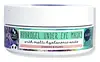
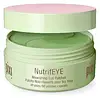
Oh K! Hydrogel Eye Mask with Multi Hyaluronic Acid Versus Pixi Beauty Nutrifeye Nourishing Eye Patches
This hydrating eye mask is formulated around Niacinamide and Centella Asiatica Extract to hydrate skin and calm redness.
This hydrating eye mask is formulated around Chamomilla Recutita Flower Extract and Dipotassium Glycyrrhizate to hydrate skin and calm redness.

What's inside
What's inside
 Key Ingredients
Benefits
Concerns
Ingredients Side-by-side
Water
Skin ConditioningGlycerin
Humectant


Dipropylene Glycol
HumectantNiacinamide
Smoothing









Ceratonia Siliqua Gum
EmollientButylene Glycol
Humectant
1,2-Hexanediol
Skin Conditioning
Chondrus Crispus Powder
Abrasive


Chondrus Crispus Extract
Skin Conditioning
Aloe Barbadensis Leaf Extract
Emollient
Cellulose Gum
Emulsion StabilisingPaeonia Suffruticosa Root Extract
Skin ProtectingCentella Asiatica Extract
Cleansing
Potassium Chloride
Sodium Polyacrylate
Absorbent
Algin
MaskingChamomilla Recutita Flower Extract
Masking
Hydrogenated Polydecene
EmollientSucrose
Humectant
Calcium Aluminum Borosilicate
Glyceryl Caprylate
EmollientPolysorbate 20
Emulsifying

Adenosine
Skin Conditioning
Ethylhexylglycerin
Skin ConditioningCI 77891
Cosmetic ColorantSilica
Abrasive
Trideceth-6
EmulsifyingPropanediol
Solvent
Sodium Hyaluronate Crosspolymer
Humectant
Maltodextrin
Absorbent
Hydrolyzed Glycosaminoglycans
HumectantSodium Hyaluronate
Humectant
Hamamelis Virginiana Leaf Extract
Skin Conditioning
Magnesium Ascorbyl Phosphate
Antioxidant

Benzyl Glycol
SolventTin Oxide
Abrasive
Hydrolyzed Hyaluronic Acid
Humectant
Laminaria Japonica Extract
Skin Protecting
Hyaluronic Acid
Humectant
Raspberry Ketone
Masking

Disodium EDTA
ChelatingCI 16035
Cosmetic ColorantWater, Glycerin, Dipropylene Glycol, Niacinamide, Ceratonia Siliqua Gum, Butylene Glycol, 1,2-Hexanediol, Chondrus Crispus Powder, Chondrus Crispus Extract, Aloe Barbadensis Leaf Extract, Cellulose Gum, Paeonia Suffruticosa Root Extract, Centella Asiatica Extract, Potassium Chloride, Sodium Polyacrylate, Algin, Chamomilla Recutita Flower Extract, Hydrogenated Polydecene, Sucrose, Calcium Aluminum Borosilicate, Glyceryl Caprylate, Polysorbate 20, Adenosine, Ethylhexylglycerin, CI 77891, Silica, Trideceth-6, Propanediol, Sodium Hyaluronate Crosspolymer, Maltodextrin, Hydrolyzed Glycosaminoglycans, Sodium Hyaluronate, Hamamelis Virginiana Leaf Extract, Magnesium Ascorbyl Phosphate, Benzyl Glycol, Tin Oxide, Hydrolyzed Hyaluronic Acid, Laminaria Japonica Extract, Hyaluronic Acid, Raspberry Ketone, Disodium EDTA, CI 16035
Water
Skin ConditioningGlycerin
Humectant
Chondrus Crispus
Masking
Glucomannan
Skin ConditioningChamomilla Recutita Flower Extract
Masking
Aloe Barbadensis Leaf Water
MaskingRosa Damascena Flower Water
Masking
Sodium Hyaluronate
Humectant
Dipotassium Glycyrrhizate
Humectant
Allantoin
Skin Conditioning
Erythritol
Humectant
Hydroxypropyl Methylcellulose
Emulsion StabilisingXanthan Gum
EmulsifyingPotassium Chloride
Propanediol
Solvent
Hydroxyacetophenone
Antioxidant
1,2-Hexanediol
Skin Conditioning
Hydroxyethylcellulose
Emulsion StabilisingSynthetic Fluorphlogopite
Phenoxyethanol
Preservative
CI 77891
Cosmetic ColorantCI 77288
Cosmetic ColorantWater, Glycerin, Chondrus Crispus, Glucomannan, Chamomilla Recutita Flower Extract, Aloe Barbadensis Leaf Water, Rosa Damascena Flower Water, Sodium Hyaluronate, Dipotassium Glycyrrhizate, Allantoin, Erythritol, Hydroxypropyl Methylcellulose, Xanthan Gum, Potassium Chloride, Propanediol, Hydroxyacetophenone, 1,2-Hexanediol, Hydroxyethylcellulose, Synthetic Fluorphlogopite, Phenoxyethanol, CI 77891, CI 77288
Ingredients Explained
These ingredients are found in both products.
Ingredients higher up in an ingredient list are typically present in a larger amount.
1,2-Hexanediol is a synthetic liquid and another multi-functional powerhouse.
It is a:
- Humectant, drawing moisture into the skin
- Emollient, helping to soften skin
- Solvent, dispersing and stabilizing formulas
- Preservative booster, enhancing the antimicrobial activity of other preservatives
Chamomilla Recutita Flower Extract comes from the Chamomile flower.
Chamomile is rich in antioxidants and has anti-inflammatory properties. Several compounds found in chamomile help with soothing, such as bisbolol.
Antioxidant components in chamomile make it an effective ingredient to help slow the signs of aging. Antioxidants help fight free-radical molecules, or molecules that may damage your skin.
Essential oils from chamomile have been found to improve wound healing due to its antimicrobial properties.
Ancient Greeks and Egyptians used Chamomile to treat skin redness and dryness. Chamomile has also been used to help treat stomach issues.
Learn more about Chamomilla Recutita Flower ExtractCi 77891 is a white pigment from Titanium dioxide. It is naturally found in minerals such as rutile and ilmenite.
It's main function is to add a white color to cosmetics. It can also be mixed with other colors to create different shades.
Ci 77891 is commonly found in sunscreens due to its ability to block UV rays.
Learn more about CI 77891Glycerin (or glycerol) is a compound naturally found in your skin. It's a powerhouse humectant that pulls water into the stratum corneum.
Topically, glycerin does several things at once:
Your skin makes glycerin on its own (mostly from sebaceous oil breakdown) and shuttles it to your outermost layer of skin, or your epidermis, via aquaporin-3.
Aquaporin-3 is a transporter that is essential for normal skin hydration, elasticity, and repair. Interestingly, mice lacking in AQP3 have dry and less elastic skin that can be fully corrected with glycerin.
This ingredient is non-irritating, plays well with almost every ingredient, and works across all skin types. Typical use is anywhere between 3-10% but can go up to 79% in some leave-on products.
Just know very high concentrations (>40%) can feel tacky in low humidity.
Glycerin is the name for this ingredient in American English. British English uses Glycerol/Glycerine.
Learn more about GlycerinWe don't have a description for Potassium Chloride yet.
Propanediol is an all-star ingredient. It softens, hydrates, and smooths the skin.
It’s often used to:
Propanediol is not likely to cause sensitivity and considered safe to use. It is derived from corn or petroleum with a clear color and no scent.
Learn more about PropanediolSodium Hyaluronate is the salt form of hyaluronic acid. It is a long sugar chain that is naturally found in your skin, joints, and connective tissue that maintains hydration and elasticity.
In skincare, it works as a humectant. It pulls water from the environment and deeper layers of skin and binds it to the surface.
Interestingly, the size of the molecule affects its behavior:
Some clinical evidence links low molecular weight versions to improved wrinkle depth, elasticity, anti-inflammatory effects, and barrier repair.
Many serums use a blend of both weights so you can get surface hydration plus longer-lasting and deeper effects.
You'll typically see concentrations between 0.1-2% for this ingredient.
Learn more about Sodium HyaluronateWater. It's the most common cosmetic ingredient of all. You'll usually see it at the top of ingredient lists, meaning that it makes up the largest part of the product.
So why is it so popular? Water most often acts as a solvent - this means that it helps dissolve other ingredients into the formulation.
You'll also recognize water as that liquid we all need to stay alive. If you see this, drink a glass of water. Remember to stay hydrated!
Learn more about Water

