
What's inside
What's inside
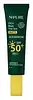 Key Ingredients
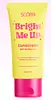
Benefits
Concerns
Ingredients Side-by-side
Water
Skin ConditioningGlycerin
Humectant


Butyl Methoxydibenzoylmethane
UV Absorber
Ethylhexyl Methoxycinnamate
UV Absorber

Butylene Glycol
Humectant
Octocrylene
UV Absorber
Ethylhexyl Salicylate
UV Absorber
Homosalate
Skin Conditioning
Polyacrylate Crosspolymer-11
Emulsion StabilisingCentella Asiatica Extract
Cleansing



Phenoxyethanol
Preservative
Silica
Abrasive


Trehalose
Humectant
Lecithin
Emollient
Triethylene Glycol
Masking
1,2-Hexanediol
Skin Conditioning
Water
Skin ConditioningEthylhexyl Methoxycinnamate
UV Absorber
Cyclopentasiloxane
Emollient
Niacinamide
Smoothing



Bis-Ethylhexyloxyphenol Methoxyphenyl Triazine
Skin Conditioning
Diethylamino Hydroxybenzoyl Hexyl Benzoate
UV Filter
Cetearyl Alcohol
Emollient




Ethylhexyl Triazone
UV Absorber
Sodium Acrylate/Sodium Acryloyldimethyl Taurate Copolymer
Emulsion StabilisingTitanium Dioxide
Cosmetic Colorant
Methylene Bis-Benzotriazolyl Tetramethylbutylphenol
UV Filter
Acrylates/C10-30 Alkyl Acrylate Crosspolymer
Emulsion StabilisingTetrasodium EDTA
Stearyl Stearate
Emollient
PEG-40 Stearate
Emulsifying
Ceteareth-20
CleansingDecyl Glucoside
Cleansing
Centella Asiatica Extract
Cleansing
Butyloctyl Salicylate
Skin Conditioning
Tea-Isostearate
Cleansing1,2-Hexanediol
Skin Conditioning
Isopropyl Titanium Triisostearate/Triethoxycaprylylsilane Crosspolymer
SurfactantPolysorbate 60
Emulsifying
Sorbityl Silanediol
EmollientAluminum Hydroxide
EmollientPropylene Glycol
Humectant
BHT
Antioxidant
Xanthan Gum
EmulsifyingPhenoxyethanol
Preservative
Water, Ethylhexyl Methoxycinnamate, Cyclopentasiloxane, Niacinamide, Bis-Ethylhexyloxyphenol Methoxyphenyl Triazine, Diethylamino Hydroxybenzoyl Hexyl Benzoate, Cetearyl Alcohol, Ethylhexyl Triazone, Sodium Acrylate/Sodium Acryloyldimethyl Taurate Copolymer, Titanium Dioxide, Methylene Bis-Benzotriazolyl Tetramethylbutylphenol, Acrylates/C10-30 Alkyl Acrylate Crosspolymer, Tetrasodium EDTA, Stearyl Stearate, PEG-40 Stearate, Ceteareth-20, Decyl Glucoside, Centella Asiatica Extract, Butyloctyl Salicylate, Tea-Isostearate, 1,2-Hexanediol, Isopropyl Titanium Triisostearate/Triethoxycaprylylsilane Crosspolymer, Polysorbate 60, Sorbityl Silanediol, Aluminum Hydroxide, Propylene Glycol, BHT, Xanthan Gum, Phenoxyethanol
Reviews
Ingredients Explained
These ingredients are found in both products.
Ingredients higher up in an ingredient list are typically present in a larger amount.
1,2-Hexanediol is a synthetic liquid and another multi-functional powerhouse.
It is a:
- Humectant, drawing moisture into the skin
- Emollient, helping to soften skin
- Solvent, dispersing and stabilizing formulas
- Preservative booster, enhancing the antimicrobial activity of other preservatives
Centella Asiatica Extract (Centella) is derived from an herb native to Southeast Asia. It is famous for its anti-inflammatory and soothing properties.
Centella is rich in antioxidants and amino acids, such as Madecassic Acid and Asiaticoside.
Studies show the compounds in centella help with:
The combination of all these properties makes centella effective at soothing, hydrating, and protecting the skin.
Other great components of centella include Vitamin A, vitamin C, several B vitamins, and Asiatic Acid.
Fun fact: Centella has been used as a medicine and in food for many centuries. As a medicine, it is used to treat burns, scratches, and wounds.
Learn more about Centella Asiatica ExtractThis ingredient is also known as Octinoxate and is one of the oldest and most widely used chemical UV filters in skincare.
It has a simple job: soap up UVB radiation (290-320 nm), the wavelengths responsible for sunburn and a big chunk of long-term sun damage.
In formulas, it's always paired with a separate UVA filter because octinoxate solely protects skin from UVB.
Because it's an oil-soluble liquid, it's easy to blend into the oil phase of lotions/creams and gives a cosmetically elegant feel.
The one quirk about formulating this ingredient is photostability; the molecule slowly changes shape into a less effective version when sunlight hits it. So the longer you're in the sun, the weaker its protection gets. The drop can be more than 30% in some formulas.
It also doesn't play nice with Avobenzone (the common UVA filter) since avobenzone destabilizes octinoxate and the two degrade each other. But don't worry: brands have solved this issue by adding photostabilizers like Tinosorb S to prevent degradation and keep SPF stable under heavy UV exposure.
The maximum allowed level is 10% in the EU and Australia, 7.5% in the US and Canada, and 20% in Japan.
The Cosmetic Ingredient Review Panel has concluded this ingredient to be safe in cosmetics up to 10%.
One last thing worth knowing for context:
Octinoxate has been the subject of ongoing review in Europe where the Scientific Committee on Consumer Safety's (SCCS) 2025 final opinion is that this ingredient is an endocrine-active substance.
Lab and animal studies suggest it can act a bit like a hormone in the body (mildly mimicking estrogen and slightly blocking male hormones). It's important to know this hasn't really been shown to happen in everyday human use.
This ingredient is also banned in Hawaii over coral reef concerns.
Learn more about Ethylhexyl MethoxycinnamatePhenoxyethanol is a preservative that has germicide, antimicrobial, and aromatic properties. Studies show that phenoxyethanol can prevent microbial growth. By itself, it has a scent that is similar to that of a rose.
It's often used in formulations along with Caprylyl Glycol to preserve the shelf life of products.
Water. It's the most common cosmetic ingredient of all. You'll usually see it at the top of ingredient lists, meaning that it makes up the largest part of the product.
So why is it so popular? Water most often acts as a solvent - this means that it helps dissolve other ingredients into the formulation.
You'll also recognize water as that liquid we all need to stay alive. If you see this, drink a glass of water. Remember to stay hydrated!
Learn more about Water
