

What's inside
What's inside
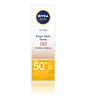 Key Ingredients
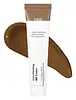
Benefits
No benefits
Concerns
Ingredients Side-by-side





Water
Skin ConditioningCI 77492
Cosmetic ColorantEthylhexyl Methoxycinnamate
UV Absorber


Butylene Glycol
Humectant

Cyclopentasiloxane
Emollient
Ethylhexyl Salicylate
UV Absorber
Lauryl Polyglyceryl-3 Polydimethylsiloxyethyl Dimethicone
Skin Conditioning
Hydrogenated Poly(C6-14 Olefin)
EmollientNiacinamide
Smoothing










Zinc Oxide
Cosmetic Colorant
Cyclohexasiloxane
Emollient
CI 77891
Cosmetic ColorantCI 77491
Cosmetic ColorantCI 77499
Cosmetic ColorantSodium Chloride
MaskingDisteardimonium Hectorite
StabilisingSorbitan Sesquioleate
Emulsifying

Mica
Cosmetic ColorantTriethoxycaprylylsilane
Zinc Stearate
Cosmetic ColorantDextrin Palmitate
Emulsifying
Caprylyl Glycol
Emollient
Panthenol
Skin Conditioning
Allantoin
Skin Conditioning
Centella Asiatica Extract
Cleansing
Dimethicone/Vinyl Dimethicone Crosspolymer
Skin Conditioning
Aluminum Hydroxide
EmollientCaprylhydroxamic Acid
ChelatingGlycerin
Humectant
Adenosine
Skin Conditioning
1,2-Hexanediol
Skin Conditioning
Tocopherol
Antioxidant

Madecassoside
Antioxidant
Asiaticoside
Antioxidant
Asiatic Acid
Skin Conditioning
Madecassic Acid
Skin Conditioning
Water, CI 77492, Ethylhexyl Methoxycinnamate, Butylene Glycol, Cyclopentasiloxane, Ethylhexyl Salicylate, Lauryl Polyglyceryl-3 Polydimethylsiloxyethyl Dimethicone, Hydrogenated Poly(C6-14 Olefin), Niacinamide, Zinc Oxide, Cyclohexasiloxane, CI 77891, CI 77491, CI 77499, Sodium Chloride, Disteardimonium Hectorite, Sorbitan Sesquioleate, Mica, Triethoxycaprylylsilane, Zinc Stearate, Dextrin Palmitate, Caprylyl Glycol, Panthenol, Allantoin, Centella Asiatica Extract, Dimethicone/Vinyl Dimethicone Crosspolymer, Aluminum Hydroxide, Caprylhydroxamic Acid, Glycerin, Adenosine, 1,2-Hexanediol, Tocopherol, Madecassoside, Asiaticoside, Asiatic Acid, Madecassic Acid
Reviews
Alternatives
Ingredients Explained
These ingredients are found in both products.
Ingredients higher up in an ingredient list are typically present in a larger amount.
Ethylhexyl Salicylate (also called Octisalate or Octyl Salicylate) is an oil-soluble organic UV filter that's been used in sunscreen since the 1950's.
It absorbs UVB light in the 280-320 nm range with a peak absorbance around 306 nm.
You'll often see it paired with other UV filters to boost overall SPF because octisalate is a fairly week filter on its own.
The reason you'll see it so often is because it can help solubilize and stabilize the trickier filters like oxybenzone and avobenzone.
Unlike these filters, octisalate has pretty good photostability and doesn't create skin-damaging free radicals when exposed to sunlight.
The fatty-alcohol part of the molecule also gives it a light, emollient feel so it doubles as a nice texture enhancer.
Usage levels vary around the world:
Safety-wise, this ingredient has a pretty reassuring track record. The EU's Scientific Committee on Consumer Products (SCCP) found very low skin penetration in human skin tests and negative results for irritation, phototoxicity, and photoallergy.
The real-world allergy risk is pretty low too; a 2012 European study of 1,031 people recorded only 2 reactions to it (a rate of 0.19%).
You might have seen scary headlines about sunscreen getting into your blood.
In 2019, the FDA found that several chemical filters can absorb through the skin and show up in the bloodstream at small but measurable levels.
Here's the important part: these tiny levels are just a cutoff the FDA uses to decide which ingredients need more testing and doesn't mean anything harmful was found.
The researchers were clear that the results are no reason to stop wearing sunscreen.
Learn more about Ethylhexyl Salicylate

